Blind data evaluation is dangerous See how mastering conversion lag turns ordinary campaigns into success.
Looking for a Shorter Overview?
AI Summary
Key Moments
Extended Purchase Cycles
52% of shoppers take more than 30 days to purchase expensive furniture, complicating campaign attribution.Multi-Touch Attribution Challenge
Customers often interact with multiple ads across channels before buying, making it hard to track true acquisition costs.Revenue Impact of Premature Cuts
Cutting digital advertising too early can cause long-term campaign ROI to decline by 20-35%.Seasonal Lag Effects
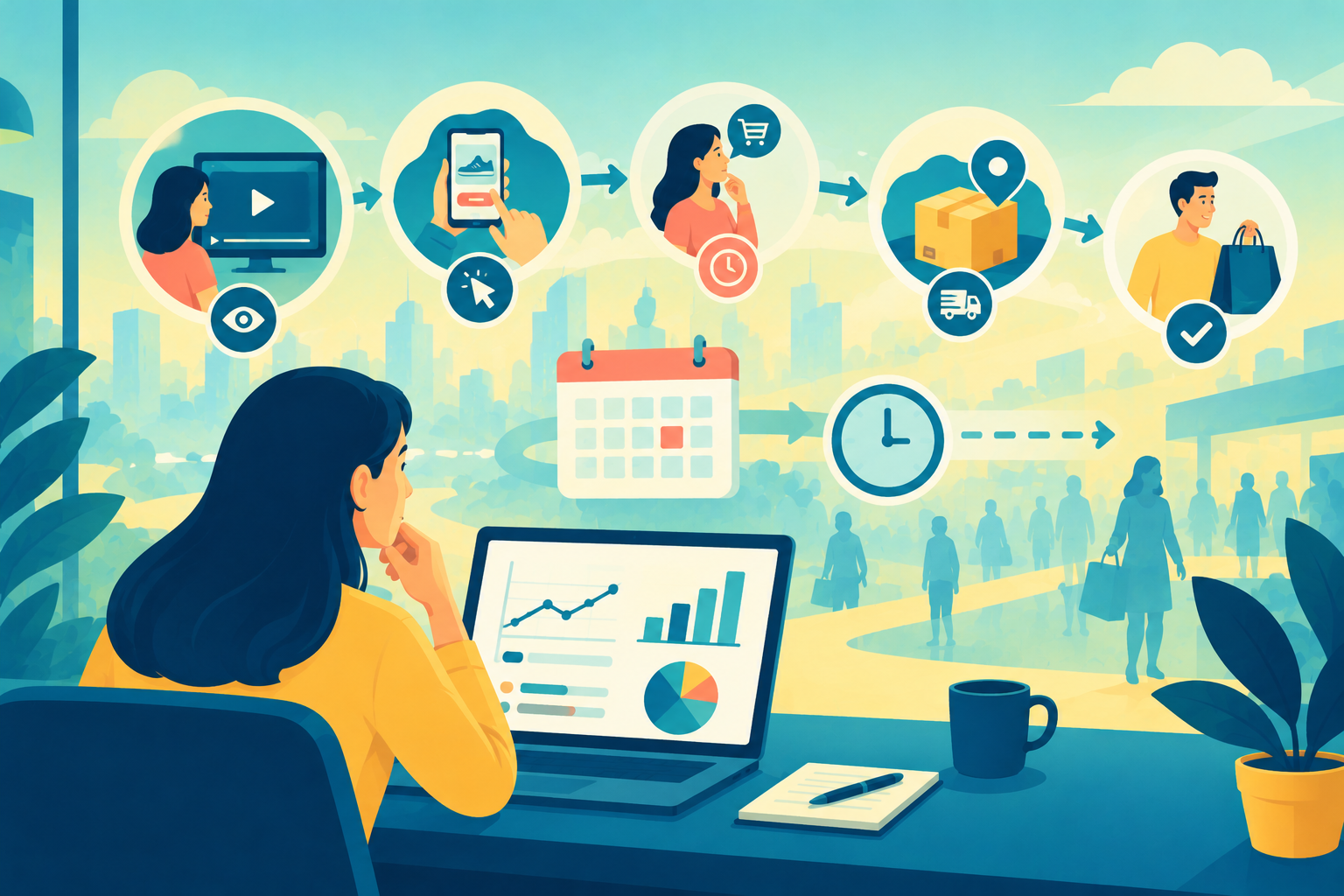
Seasonal products like winter jackets have purchase delays that confuse new marketing managers evaluating campaign performance.Marketing teams run digital advertisements every day, but customers may not purchase immediately after seeing them. Someone might click an ad today and make a purchase three weeks later. This delay between engagement and purchase is known as Conversion Lag.
Conversion Lag can make it difficult for businesses to measure how well their marketing campaigns are performing. Understanding this delay helps companies connect advertising activity with sales more accurately and make better-informed budget decisions.
How Brands Stop Disconnecting Advertising From Cash Sales in Conversion Lag
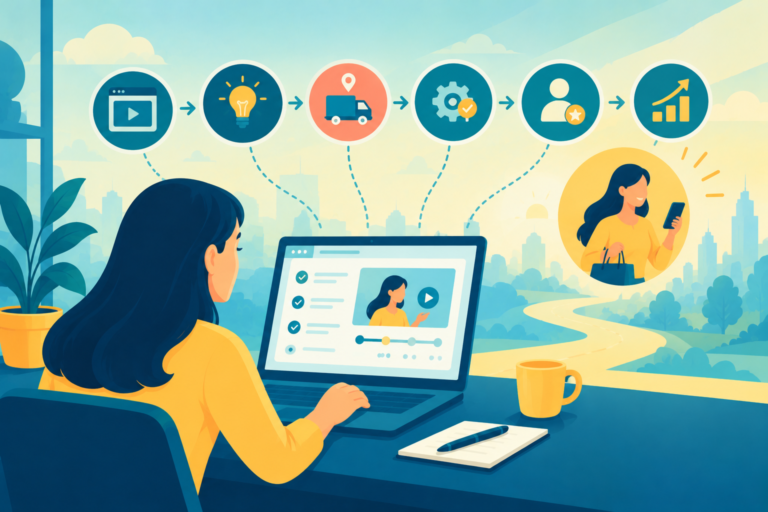
Business managers often want to see quick returns, but some purchases take time. A customer might watch a furniture store’s television commercial on Monday and buy a wooden table on Saturday, making it difficult to connect the sale directly to the ad. This Conversion Lag can make basic tracking systems less reliable.
Forrester research suggests that 52% of shoppers take more than 30 days to purchase expensive furniture. If managers do not account for this delay, they may incorrectly identify which advertising influenced the sale.
Digital advertising requires ongoing investment, but its impact may not appear immediately in sales. A software company might see no purchases right after launching an online campaign, prompting a manager to stop the ads. Yet potential customers may need two weeks to try the software before deciding to buy.
Ignoring Conversion Lag can lead businesses to cut campaigns too early. Research from Google’s Media Mix Modeling and the Ehrenberg-Bass Institute suggests that cutting digital advertising can contribute to a gradual decline in sales over time. If businesses fail to respond to these changes, long-term campaign ROI may fall by 20% to 35%.
Marketing teams often calculate how much they spend to acquire each customer. A clothing company might estimate that it costs $50 to attract one buyer, but that figure can be misleading if the shopper sees several ads before purchasing.
When a customer clicks three different advertisements before buying a shirt, the total acquisition cost may be closer to $150. Conversion Lag can make these extra costs harder to track, so businesses should account for each interaction when assessing campaign performance.
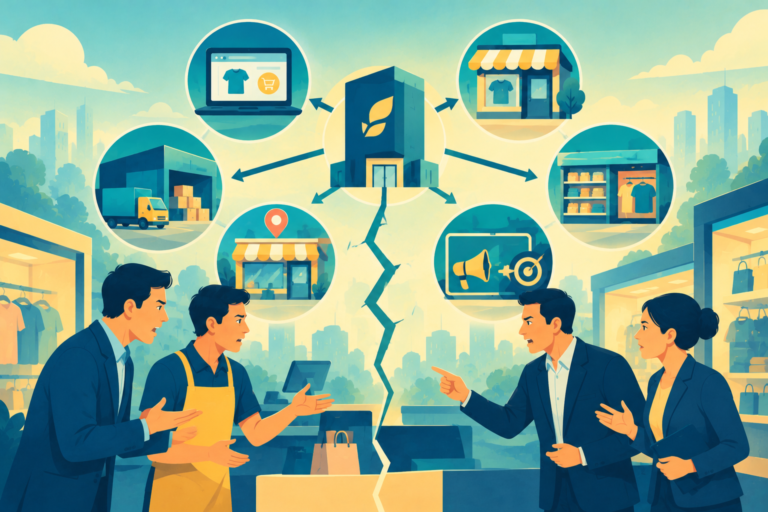
Customers may also encounter a brand across several channels before buying. For example, someone might see a shoe advertisement on Facebook, open a marketing email the next day, and then make a purchase. Because of this Conversion Lag, both platforms may claim credit for the sale, making it difficult to measure each channel’s contribution. Advanced tracking and attribution tools can help businesses connect these interactions and estimate sales more accurately.
When digital platforms update slowly, they may keep showing shoppers ads for products they have already purchased. For example, someone who buys a book on Monday might still see ads for the same book on Thursday. This Conversion Lag can waste advertising money and frustrate customers.
Gartner reports that companies allocate an average of 7.8% of their revenue to marketing, with more than two-thirds of that budget directed toward digital channels. Because of this delay, marketers should be careful not to judge a campaign based only on early clicks, which can lead to inaccurate conclusions and wasted spending.
Shoppers often buy products according to the season. A winter jacket company might run online ads in September, when customers start considering warm clothing, even though many wait until November, when the weather turns colder, to make a purchase.
Also read: How Does Search Cannibalisation Affect a Brand’s Paid and Organic Traffic?
This seasonal Conversion Lag can confuse new marketing managers. They may assume the September campaign failed because sales did not rise immediately. Experienced managers allow time for customers to act and assess the ads by looking at sales later in the season.
Loved this article? Read more insightful articles on Brand Custodian.
–Written by Rajnish Kumar, a copywriter and strategist with a background in fast-paced journalism, who explores the gap between what brands promise and how consumers actually behave.