Explore how Psychological Ownership shapes consumer behaviour and how brands can build stronger connections before customers purchase a product.
Looking for a Shorter Overview?
AI Summary
Key Moments
What is Psychological Ownership?
It is the sense of belonging without legal possession, shaping consumer feelings and decisions.Three Paths to Psychological Ownership
Control, intimate knowledge, and personal investment trigger ownership feelings.Customer Config Experiences
Customizing products creates personal connections before purchase.Marketing Implications
Brands can foster bonds by enabling involvement, customization, and education.A consumer does not always need to buy a product to start feeling connected to it. Someone browsing a car online might already imagine driving it to work, while a shopper designing a pair of trainers might begin to feel that the final design is uniquely theirs. These feelings go beyond product awareness or purchase intent. They reflect Psychological Ownership, the sense that something belongs to us even when we do not legally own it. For marketers, understanding this behaviour offers a way to build stronger consumer connections before a transaction takes place.
Why Psychological Ownership Influences Consumer Behaviour
Psychological Ownership is different from legal ownership. It develops when people begin to feel personally connected to a product, service, brand, or experience. Research by Joann Peck and Andrea Webb Luangrath, published in Consumer Psychology Review, explores how this feeling influences consumer decisions, evaluations, and perceptions of value. The central idea is simple: when consumers start thinking of something as theirs, their relationship with it can become more personal than a straightforward assessment of its features or price.
Three established routes can help explain how this feeling develops: control, intimate knowledge, and personal investment. When consumers can influence a product, understand it closely or invest time and effort in it, they may begin to feel a greater sense of ownership. These routes offer marketers practical ways to make the buying journey more engaging without relying entirely on discounts or persuasive advertising.
Also read: Can Mental Accounting Explain Why Consumers Spend Differently Across Categories?
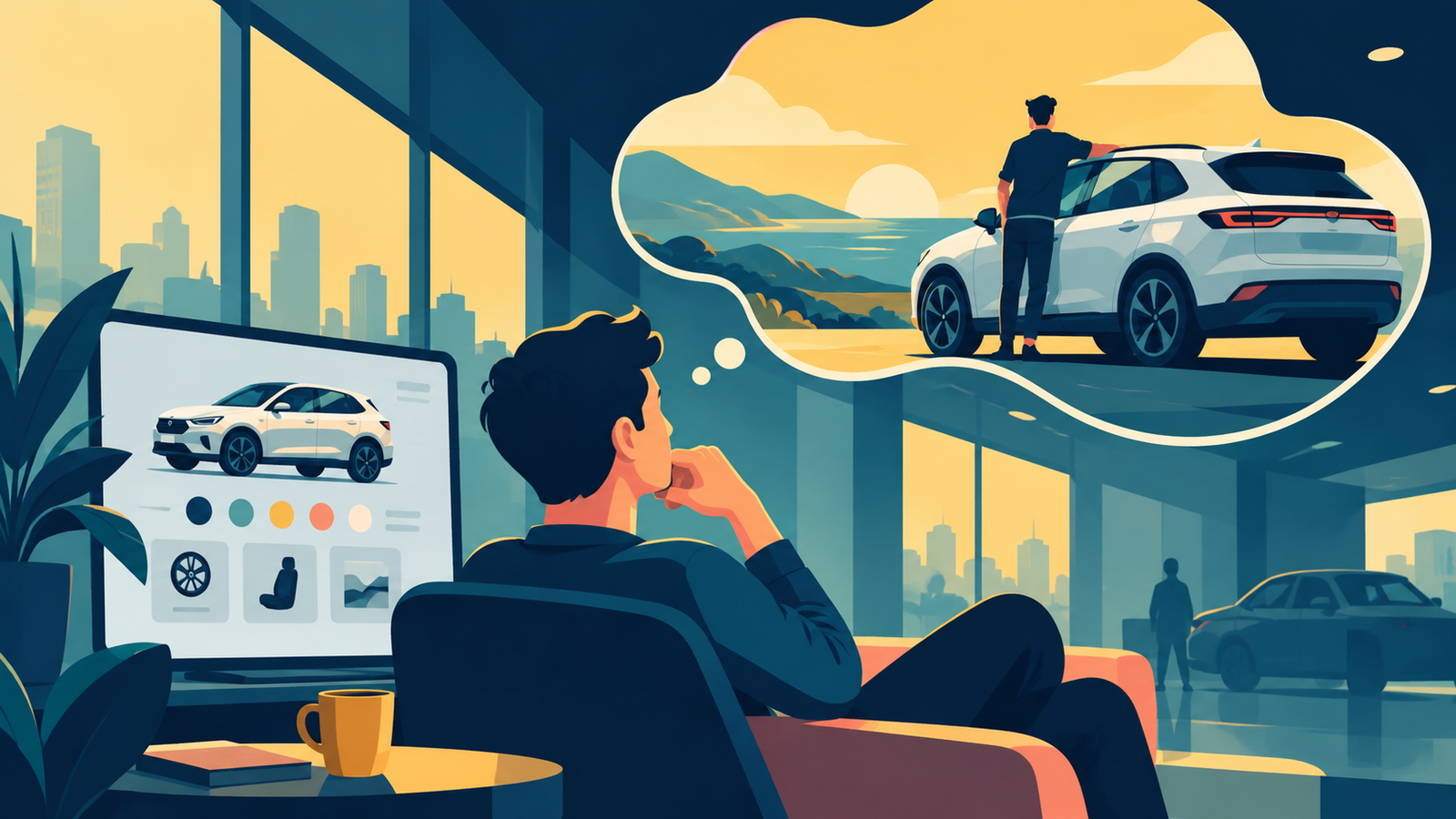
Consider a customer configuring a car on a brand’s website. Choosing the colour, upholstery, wheels, and other features gives the customer some control over the final product. The process also encourages them to imagine how the car would fit into their life. Although they have not made a purchase, the experience can create a stronger personal connection than simply viewing a standard product image.
Familiarity also matters. Detailed product demonstrations, interactive website experiences, and useful comparison tools can help consumers understand what they are considering. When people know how a product works and can picture themselves using it, the product may begin to feel more relevant to their needs. This does not guarantee a purchase, but it can make the decision more meaningful.
Personal investment offers another route. When customers contribute ideas, customise a product or participate in its development, they put something of themselves into the experience. This is one reason co-creation and personalisation can be valuable marketing strategies. For example, a furniture retailer that lets shoppers configure a sofa to suit their space gives them an active role in shaping the outcome. The product becomes more than an item on a catalogue page; it becomes a solution they helped create.
– Written by Saad Rashid, an experienced journalist with extensive experience across both print and digital media. He has worked with various publications in India and internationally and has reached millions of readers through his thought-provoking articles.
Enjoyed this article? Read more here.