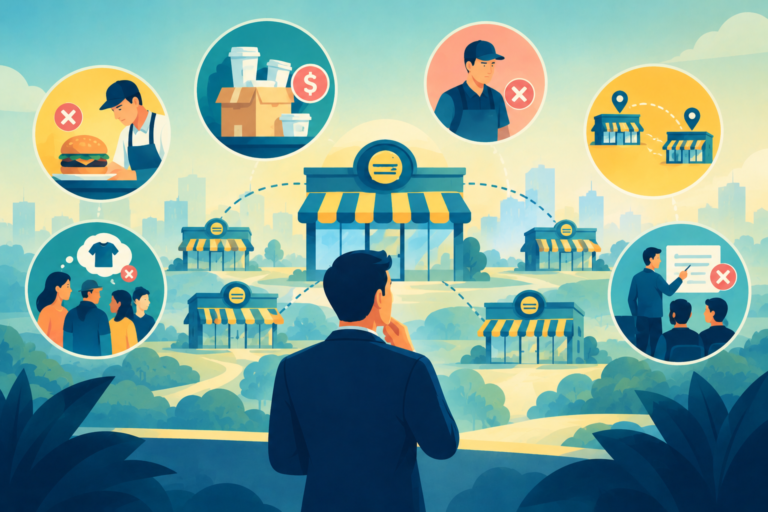
Discover how Mental Accounting influences consumer spending, shapes purchasing decisions, and helps marketers develop more effective pricing and promotional strategies.
Looking for a Shorter Overview?
AI Summary
Key Moments
Bonus Separates Money Mentally
Receiving a bonus creates a distinct mental account, making splurges feel less irresponsible than regular income spending.Category-Based Spending Budgets
People maintain informal budgets for different categories, treating essentials tightly while allowing more flexibility for entertainment.Context-Driven Discount Justification
Discounts appear more appealing when attached to a larger purchase, as the cost is mentally absorbed into the primary expense.Strategic Product Positioning
Brands can boost sales by aligning products with existing mental categories and using bundling to enhance perceived affordability.Have you ever hesitated to spend ₹2,000 on groceries but happily paid the same amount for a concert ticket? Or received a bonus and felt more comfortable spending it on something you would never buy with your regular salary? These decisions may seem contradictory, but they reveal something interesting about consumer behaviour. Mental Accounting helps explain why people assign different values to money depending on where it comes from, what it is intended for, and how they feel about spending it.
Developed as a concept in behavioural economics by Nobel laureate Richard Thaler, mental accounting describes how people mentally organise their money into separate categories. Although money has the same financial value regardless of its source, consumers often treat it differently depending on the purpose attached to it. For marketers, understanding this behaviour offers valuable insight into how people evaluate prices, respond to promotions, and make purchasing decisions.
How Mental Accounting Influences Consumer Spending Decisions
Consider a consumer who carefully tracks monthly expenses but decides to splurge after receiving a festive bonus. The bonus has increased their available money, but it has also changed how they perceive what they can afford. Because the money feels separate from their regular income, spending it on a premium product may seem less irresponsible. This is a common example of mental accounting, where the psychological meaning attached to money influences how it is used.
The same principle applies to everyday spending categories. Consumers often have informal budgets for groceries, entertainment, travel, dining, and personal shopping. They might refuse to exceed their grocery budget by ₹500 while readily paying an additional ₹500 for a restaurant experience. The difference is not necessarily the amount involved, but the value they associate with each category. Spending on necessities may be judged against strict limits, while entertainment purchases may be evaluated in terms of enjoyment, convenience, or the memories they create.
Mental accounting also explains why discounts can influence purchasing decisions beyond the actual savings involved. Imagine a customer buying a smartphone who is offered discounted wireless earbuds at checkout. Since the customer has already committed to an expensive purchase, the additional cost may appear relatively insignificant. The earbuds are mentally absorbed into the larger purchase, making it easier to justify an expense that might have received greater scrutiny on its own. Research discussed by The Decision Lab highlights how the context in which prices and savings are presented can affect consumers’ willingness to spend.
For brands, this creates opportunities to position products around specific spending occasions. Travel companies can encourage customers to allocate money towards holiday experiences, while food delivery platforms can frame premium meals as occasional treats. Similarly, retailers can offer bundles that make complementary products appear more affordable when purchased together. These strategies work by connecting spending to an existing mental category rather than presenting the purchase as an isolated expense.
Also read: Why Does Campaign Timing Matter Beyond Seasonal Marketing?
However, mental accounting does not automatically mean consumers are irrational. Separating money into categories can make budgeting easier and help people work towards financial goals. Someone who sets aside money every month for a holiday may be less likely to spend it impulsively elsewhere. Digital banking tools and dedicated savings accounts can reinforce this behaviour. The challenge arises when these mental boundaries prevent consumers from assessing their overall financial position or encourage them to justify purchases they cannot comfortably afford.
This distinction matters for marketers because a customer’s willingness to spend depends on more than purchasing power alone. Their spending habits, expectations, perceived value, and the purpose of a purchase all influence the final decision. Understanding these factors can help brands develop more relevant offers, communicate prices clearly, and create products that fit naturally into consumers’ lives. At the same time, using these insights responsibly means avoiding misleading discounts or sales tactics that encourage unnecessary spending.
Ultimately, mental accounting demonstrates that consumers do not always evaluate money as one interchangeable resource. They assign meaning to it, create boundaries around it, and make decisions based on those boundaries. For marketers, recognising these patterns can lead to a deeper understanding of purchasing behaviour and more effective pricing and promotional strategies. For consumers, becoming aware of these mental accounts can make it easier to distinguish between a genuinely valuable purchase and one that simply feels affordable in the moment.
– Written by Saad Rashid, an experienced journalist with extensive experience across both print and digital media. He has worked with various publications in India and internationally and has reached millions of readers through his thought-provoking articles.
Enjoyed this article? Read more here.