Lush shows how ethical branding can become part of the product itself, shaping everything from sourcing and packaging to customer experience.
Looking for a Shorter Overview?
AI Summary
Walk into a Lush store, and it is difficult to think of the experience as simply buying soap or a bath bomb. The bright colours, strong fragrances and handmade products are only part of what the brand puts in front of customers. There are also messages about animal testing, packaging, sourcing and the environment. This is what makes Lush an interesting example of Ethical Branding: its values are not treated as a campaign running alongside the product. They are built into the product, the store experience and the way the company operates.
Founded in the UK in 1995, Lush grew from the work of a group of founders who had already been developing natural cosmetics. From the beginning, the business focused on handmade cosmetics, vegetarian and vegan ingredients, opposition to animal testing, and reducing unnecessary packaging. Over time, these principles became closely associated with the brand itself.
Ethical Branding That Customers Can Experience
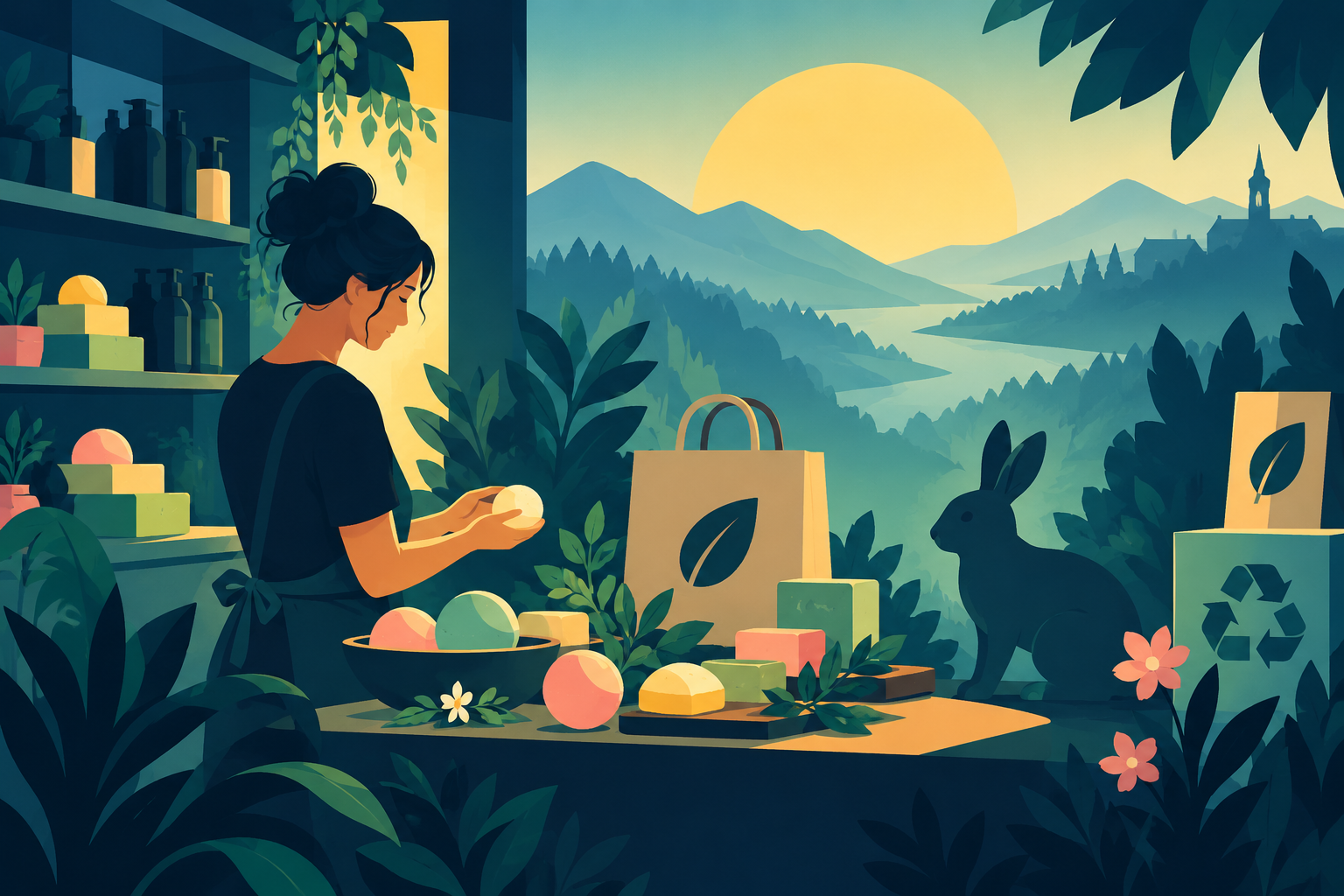
The interesting thing about Lush is that its ethical positioning does not stop at what the company says. It is visible in what customers actually buy. Many Lush products are sold without traditional packaging, while the company has developed initiatives around packaging returns and recycling. Its “naked” products, including solid shampoo bars and other cosmetics, turn waste reduction from an abstract corporate promise into something a customer can see and experience.
The same thinking extends to ingredients and sourcing. Lush has maintained a strong position against animal testing and has developed buying policies around the ingredients it uses. Its ethical charter and broader company values cover areas including ethical buying, animal welfare, environmental responsibility, handmade production and digital ethics. In other words, ethics is not confined to advertising; it influences decisions across the business.
That consistency matters because consumers can usually tell when a purpose exists only in a brand presentation. With Lush, the customer encounters the same philosophy through packaging, products, store design, and employees. The company has also used its stores as spaces for activism and education, rather than treating the shop purely as a place to push products. Earlier campaigns around animal testing and fur, for example, brought social issues directly into the retail environment.
There is also something deliberately unconventional about the way Lush communicates. The brand has historically spent little on traditional advertising, relying instead on its stores, products, employees, activism, and word of mouth to create attention. Its stripped-back packaging and straightforward visual language reinforce that sense of being different from conventional beauty brands.
This approach makes the product itself part of the brand story. A shampoo bar is not simply shampoo without a bottle. It becomes evidence of the company’s position on packaging. A handmade bath product is not merely a different format of cosmetics; it supports the idea of freshness, craft, and transparency. Even the experience of speaking to a Lush employee can reinforce the brand because staff are encouraged to understand and communicate the company’s values.
Also read: Dropbox: How Referral Marketing Accelerated User Growth
Of course, ethical positioning does not automatically make a business immune to criticism. Lush operates in a competitive beauty market, and its products can command prices above mass-market alternatives. That creates an ongoing debate around whether consumers are paying for genuinely different production practices, the perceived value of the brand, or both. But perhaps that is precisely what makes the Lush example useful. The company’s ethical choices are not an occasional layer added to justify a premium; they are intertwined with how the products are made, presented, and sold.
Lush ultimately demonstrates that Ethical Branding works differently when customers can experience it rather than simply hear about it. Its position on animal testing, packaging, sourcing, and environmental issues has been carried into product development, retail, and company culture. The lesson for other brands is not that every business needs to become an activist brand. It is that if ethics is going to be part of the promise, it has to show up in the experience of the product. For Lush, the values are not just something the brand communicates. They are part of what the customer is buying.