Whole Foods made ethical retail profitable by turning healthy, sustainable choices into a premium shopping experience built on trust.
Looking for a Shorter Overview?
AI Summary
Key Moments
Founding Vision
Austin-based SaferWay evolved into Whole Foods, offering natural and organic foods as an alternative to processed supermarket fare.Ethical Integration
Whole Foods made responsible sourcing a product feature, using transparency and standards to visibly communicate values to shoppers.Premium Identity
The brand linked quality and ethics to justify higher prices, positioning itself as a lifestyle choice for health-and environment-conscious consumers.Scale Challenge
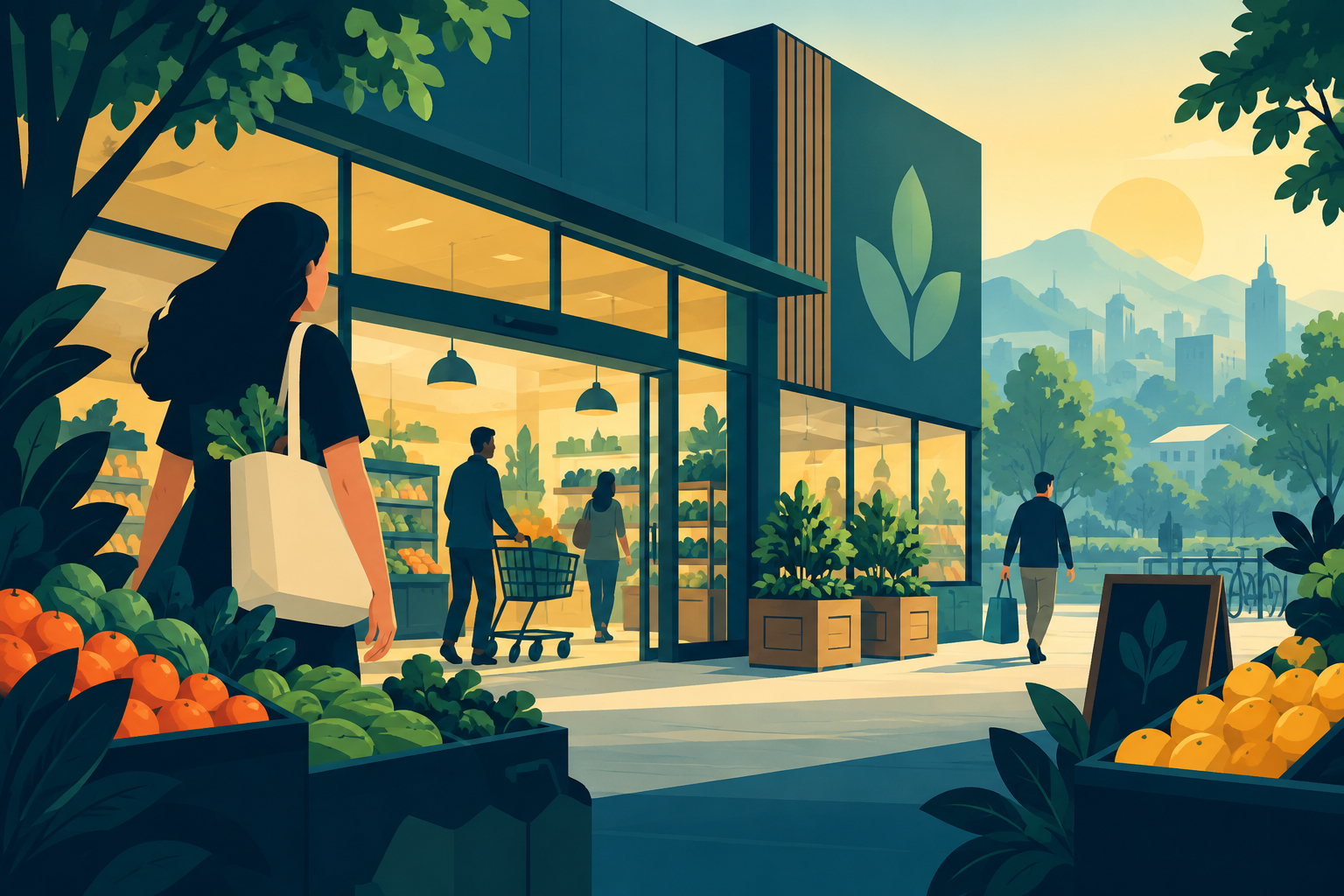
Amazon's acquisition raised concerns about preserving ethical values while leveraging massive logistics capabilities.Walk into a Whole Foods Market, and it is immediately clear that you are not in a conventional supermarket. The fresh produce is prominently displayed, products come with detailed information about how they are sourced, and the store feels designed around discovery rather than simply getting the weekly grocery shopping done. More importantly, the experience reinforces a particular idea: that what you buy can reflect what you believe. That is the central proposition behind Whole Foods’ approach to Ethical Retail, turning concerns around health, sustainability, sourcing, and community into something consumers are willing to pay more for.
The story began in Austin, Texas, where John Mackey and Renee Lawson Hardy opened SaferWay Natural Foods in 1978. In 1980, it merged with Clarksville Natural Grocery to form Whole Foods Market. At a time when supermarkets were increasingly built around packaged and processed convenience foods, Whole Foods offered an alternative centred on natural, locally sourced and organic products.
How Ethical Retail Became a Premium Proposition
What made Whole Foods particularly interesting was that it did not treat ethical sourcing as a side initiative. It made it part of the product itself. The company built its proposition around quality standards, responsible sourcing, and transparency, giving shoppers information that conventional supermarkets often did not provide. Systems such as animal-welfare ratings and sustainability standards helped make attributes that were normally invisible at the point of purchase more visible to consumers.
This mattered because ethical products can be difficult for consumers to evaluate. A shopper cannot easily see how an animal was raised, where a supplier sourced its ingredients, or what environmental practices were followed several steps up the supply chain. Whole Foods turned those questions into part of the shopping experience. Its Whole Trade programme, local sourcing efforts and emphasis on organic and natural products helped transform responsible consumption from an abstract idea into something customers could encounter on the shelf.
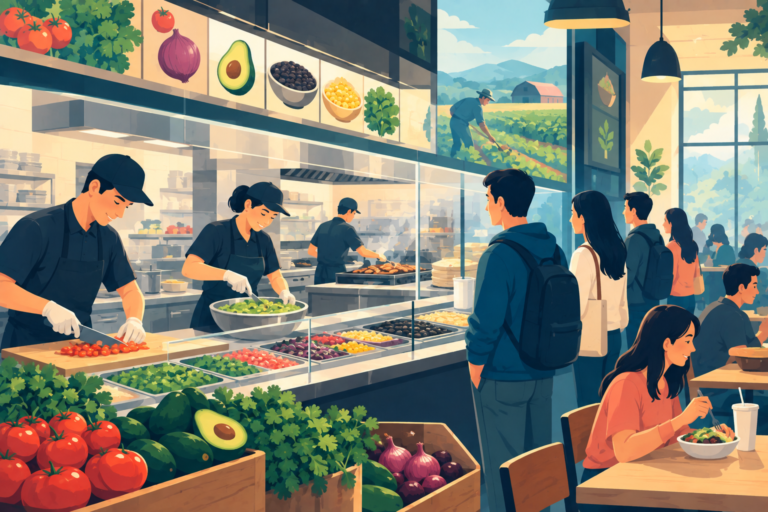
The store environment reinforced the proposition. Whole Foods became known for prepared foods, bakeries, salad bars, specialist departments and visually appealing displays. Shopping was no longer simply about filling a trolley. It became an experience associated with freshness, health and a particular lifestyle. Research examining Whole Foods consumers has similarly argued that the company sells not only products but an identity built around health consciousness, environmental responsibility and ethical consumption.
That identity also explains the premium positioning. Whole Foods understood that some consumers would pay more if they believed they were getting better quality while also making choices aligned with their values. In this sense, Ethical Retail became more than a sourcing philosophy; it became a brand proposition. The price premium was tied to the perception of quality, transparency, and responsibility.
Also read: LVMH: How Brand Portfolio Strategy Built a Luxury Empire
But the model has never been without criticism. Whole Foods has often been associated with affluent, educated consumers, raising questions about whether ethical consumption becomes accessible primarily to people who can afford it. The company’s polished stores and premium assortment can make responsible shopping feel aspirational rather than universal.
There is another tension in the story. As Whole Foods expanded, its original countercultural identity had to coexist with the realities of becoming a large, profitable retailer. Its stores became more elaborate and indulgent, even as mainstream supermarkets began introducing their own organic and natural ranges. The very success of Whole Foods helped make its once-distinctive proposition less unusual.
Amazon’s acquisition of Whole Foods in 2017 added another dimension. The combination brought together Whole Foods’ premium food and ethical positioning with Amazon’s enormous technological and logistical capabilities. It also raised a larger question about whether values-led retail could maintain its character when operating at enormous scale.
Ultimately, Whole Foods’ biggest lesson is not that consumers will automatically pay more for ethical products. It is that values become commercially powerful when they are made tangible. Whole Foods connected sourcing, product standards, store design, education, and customer experience into one coherent proposition. It made shoppers feel that they were not simply buying groceries; they were making a choice about the kind of food system and lifestyle they wanted to support.
That is what makes Whole Foods an important case study in Ethical Retail. Its success came from turning an ethical intention into a premium experience, and showing that, when trust and values are built into the entire customer journey, doing things differently can become a reason to pay more.