A delay usually makes buyers angry. See how Guinness turned a slow pour into a premium brand experience that builds loyalty.
Looking for a Shorter Overview?
AI Summary
Key Moments
Nitrogen-Infused Recipe
Guinness uses a 75% nitrogen, 25% CO2 mixture that creates slow-settling bubbles and a 119.5-second separation process.Strategic Wait Time
The brand deliberately extended pouring time from seconds to minutes, turning waiting into a quality demonstration.Signature Glassware
Special curved glasses with gold harp markings create visual focus and reinforce the premium experience.Ritual Pouring Technique
Strict 45-degree angle and three-quarters fill rules ensure consistency and build customer trust in the brand.A clear Brand Experience happens when a company makes a buyer happy to stand and do absolutely nothing. A thirsty person walking into a bar usually wants a cold drink immediately. But when a buyer asks for a glass of Guinness, the man behind the counter does not hand him the glass right away. The buyer has to stand and watch the dark liquid settle for almost two minutes.
In a normal shop, making a buyer wait would make him angry. But this Irish drink factory used that slow waiting time to create a famous brand experience. They made the two-minute wait feel like a necessary and important step.
How Brand Experience Brings In More Cash
Normal cold drinks use carbon dioxide gas. This gas makes the air bubbles rush to the top of the glass very quickly. But Guinness puts G-mix, which consists of 75% nitrogen and 25% carbon dioxide, inside its heavy metal barrels. This mixture makes the tiny bubbles fall to the bottom of the glass instead of rising.
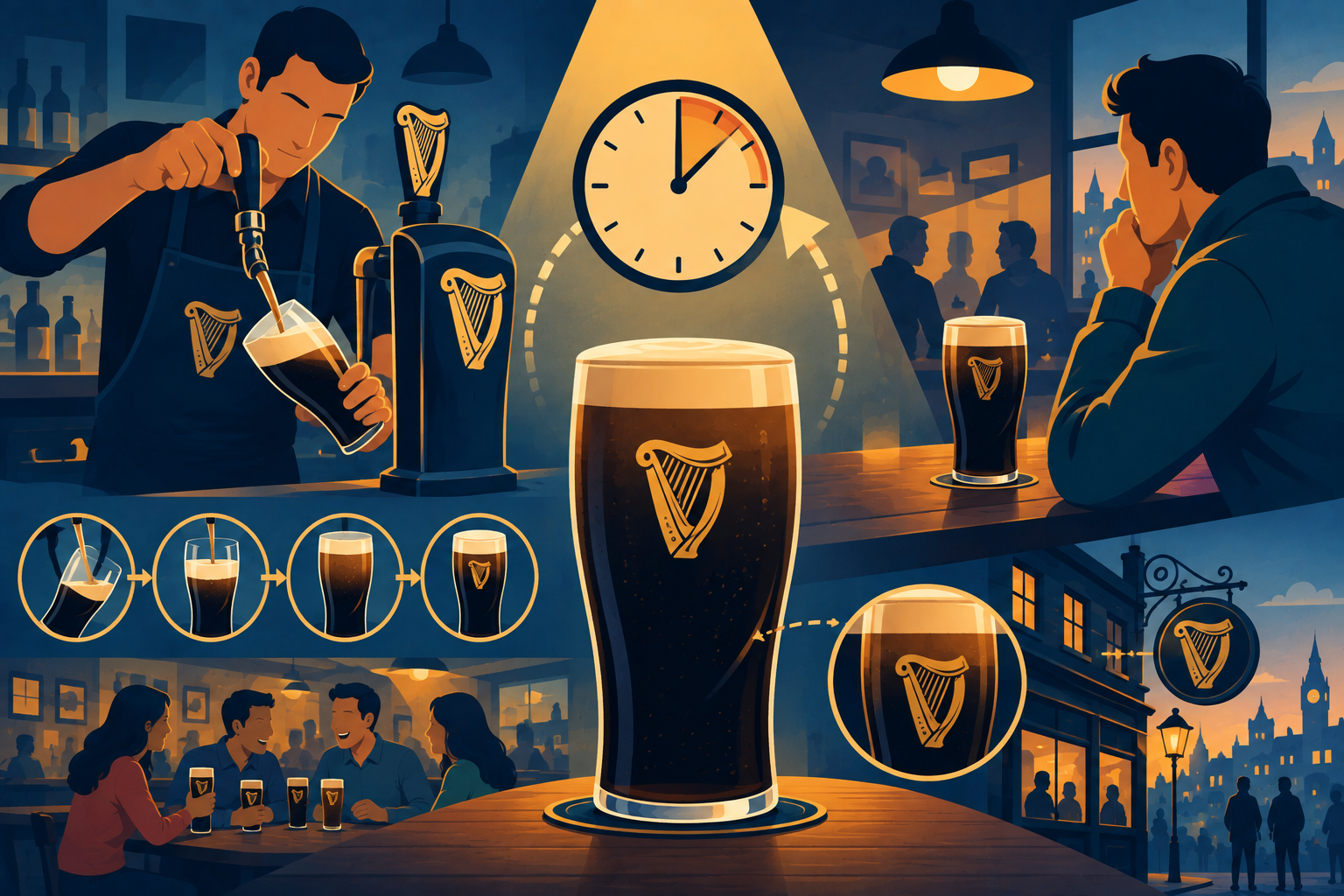
Because of this heavy gas, the dark liquid takes exactly 119.5 seconds to separate completely from the thick white foam. The factory used this slow chemical reaction to create a unique Brand Experience. Instead of trying to fix the slow speed, the managers told buyers that a perfect drink simply requires waiting.
In 1999, the factory paid for a very famous television video to explain this exact fact. The television screen showed a man waiting for a large wave in the ocean, with the simple tagline, “Good things come to those who wait.”
This direct brand experience changed how ordinary people thought about standing at a bar. The managers told buyers that waiting for the white foam to settle was proof of good quality. Because they explained this exact science on television, buyers stopped complaining about the slow pace and started watching the glass closely.
The company also requires every local bar worker to follow a strict pouring rule. A worker must hold the clean glass at a forty-five-degree angle and fill it only three-quarters full. Then, the glass must sit on the table until the black liquid turns completely dark.
Finally, the worker pushes the machine handle back to place the white foam on top. Watching a worker perform this specific manual task creates a highly trusted brand experience. A buyer sees the careful work and gladly pays a higher cash price for the drink.
To make the wait even more interesting, the factory also designed a special glass. A worker does not use a normal straight cup. Instead, he pours the dark liquid into a curved glass that is wider at the top. The company prints a gold picture of a musical harp directly on the outside wall of the glass.
The worker is taught to fill the black liquid exactly to the bottom of the gold harp before letting it rest. This small visual detail adds to the overall brand experience. It gives the thirsty buyer something specific to look at while he stands and waits for his drink.
This waiting habit brings in huge amounts of money for the old factory. Today, buyers drink over ten million glasses of this dark liquid every single day across the world. A normal shop wants the buyer to drink quickly and leave.
But this business proves that a slow and careful Brand Experience actually makes a buyer want the drink even more. The Irish company sells millions of glasses simply because they strictly refuse to rush the manual pouring process.
Also read: Patagonia: How Brand Values Became a Competitive Advantage
Today, an ordinary buyer does not simply pay cash for the bitter taste of the dark liquid. He pays because he enjoys watching the tiny bubbles sink through the cold glass.
This simple habit shows that a well-planned Brand Experience keeps cash coming into the shop every day. A company can make huge money by using a slow two-minute wait to create a highly respected Brand Experience.
Loved this article? Read more insightful articles on Brand Custodian.
–Written by Rajnish Singh, a copywriter and strategist with a background in fast-paced journalism, who explores the gap between what brands promise and how consumers actually behave.