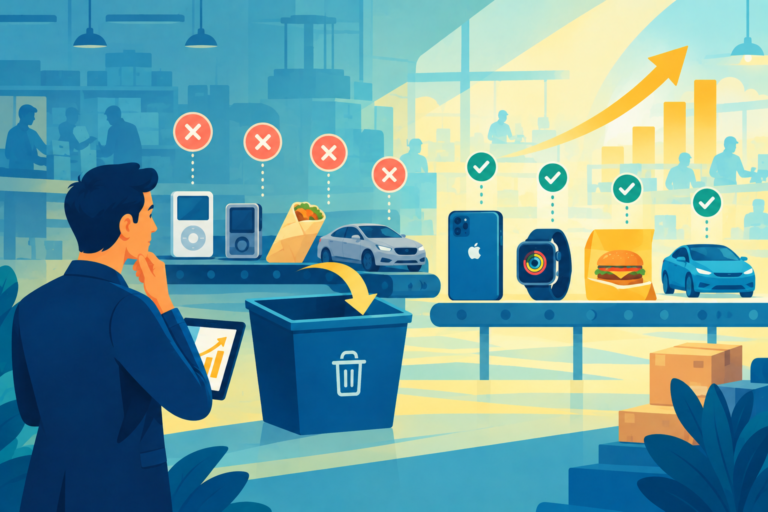
Why do endless sales make buyers suspicious? Discover how reckless price discounting can signal poor quality and desperation.
Looking for a Shorter Overview?
AI Summary
Key Moments
Discounting Erodes Trust
Frequent price cuts make shoppers doubt product quality and diminish brand credibility.Consumers Learn to Wait
Heavy discounting conditions buyers to delay purchases, expecting better deals later.Premium Brands Lose Appeal
Constant sales cause premium brands to appear cheap, harming long‑term reputation.New Products Face Skepticism
Aggressive discounting of new items can quickly damage credibility and alienate customers.Nobody believes the printed price tags at local clothing shops anymore. A shopkeeper puts a red plastic board outside his door claiming a flat 50% discount and leaves the same board there for months. A regular buyer walks past it in June, sees it again in August, and notices it is still there in October. After seeing the board so many times, buyers realise the clothes were probably never worth the original printed price.
This common mistake reveals the real danger of price discounting. Shop owners often believe that lowering prices will naturally bring huge crowds into their stores. But continuous discounting can actually make buyers suspicious. Shoppers may begin to wonder whether the quality of the cotton or fabric is poor.
Why Price Discounting Can Lower Trust in a Product
Online mobile phone sales show this problem perfectly. A college student saves his pocket money to buy a new smartphone. The company launches a new model at ₹30,000. But within just two weeks, the website lowers the price by ₹5,000.
Seeing this sudden drop, the student decides to hold on to his money. He assumes the price will fall even further during the next major festival sale. The mobile company may have used discounting to drive quick sales in the first month, but this tactic can create a bigger problem for the future. Now, customers may be reluctant to pay the full price for that particular phone.
Heavy discounting teaches online buyers to wait for the next sale. The phone gradually loses its premium value. Buyers begin to perceive it as a product that is not worth its original price.
Local food markets can face the same issue. A famous neighbourhood sweet shop gets extremely busy during the Diwali festival. People wait in long queues outside the door to buy boxes of fresh kaju katli. The shop owner never lowers the price by a single rupee.
If that same famous shop suddenly puts up a large banner offering buy-one-get-one-free, regular customers may become confused. They may immediately wonder whether the milk is old or the ingredients are of lower quality.
Also read: How Framing Effect Can Change the Appeal of the Same Product
In the food business, sudden price discounting can make people worry about their health and their family’s safety. A family may gladly pay full price for fresh, clean sweets. But they may hesitate to buy a discounted box if they believe the quality has dropped. Price discounting can make a premium sweet shop look as though it is struggling to survive.
Buying personal gifts involves a similar dynamic. A man wants to buy a nice watch for his office farewell party. He visits a Titan showroom, where the watches are displayed at fixed prices. Then he checks another shop selling an unfamiliar brand. The shopkeeper immediately offers a 40% discount without being asked.
The man leaves the unfamiliar shop. He feels that the shopkeeper may be trying to manipulate him with inflated “original” prices. Using price discounting too aggressively can quickly damage the reputation of a new product. The buyer feels safer paying the full price at the Titan showroom because a consistent price can signal confidence in the product.
Big brands understand that constantly lowering prices can be a dangerous strategy. A small festival offer for two days may work perfectly well. But turning discounts into a daily habit can hurt a company’s reputation.
Once a brand becomes known for heavy discounting, it can struggle to convince customers to pay the full price again. Customers simply learn to wait for the next sale. Building a premium reputation takes years of hard work. But careless price discounting can make a respected brand look cheap in just a few weeks.
—Written by Rajnish Singh, a copywriter and strategist with a background in fast-paced journalism, who explores the gap between what brands promise and how consumers actually behave.