Want to grow your business? Learn why selling to millions of light buyers beats chasing a few loyal daily users.
Looking for a Shorter Overview?
AI Summary
Key Moments
Revenue from Light Buyers
Selling one item to thousands of occasional shoppers yields higher profits than selling many items to a few loyal customers.Ubiquitous Availability
Light buyers will choose whatever is easily accessible in a local shop, so brands must stock products everywhere.Mass Reach Advertising
Companies waste money discounting for regular customers; instead they should remind the general public to capture rare purchase decisions.Scale Through Occasional Shoppers
A top brand becomes successful when millions of light buyers purchase a product just once or twice a year.An Indian family sipping morning tea together is part of daily life. Almost nobody drinks expensive cold drinks every day. But at a family reunion, or if relatives suddenly visit the house, cold drinks are served to them.
For the rest of the month, the family will probably not buy another bottle. This family is a perfect example of light buyers. Many companies completely ignore these occasional shoppers. However, understanding how light buyers behave is the best way to run a very large business.
How Light Buyers Make Real Money
Most new business owners think they need extremely loyal customers to survive. These owners want people who will buy their product every single week. But daily shop sales work very differently. A dedicated fan of a local bakery might buy fresh bread three times a week. That single person can only eat a limited amount of bread. His stomach can only hold so much
To make more money, the bakery cannot persuade him to eat twice as much by offering discounts. Instead, the shop needs to attract hundreds of new people who will buy a cake only once a year for a birthday. These occasional shoppers are exactly what we call ‘light buyers’. A brand makes more money by selling one item to a thousand people than by selling ten items to a hundred people.
Look at a giant company like Britannia. There are certainly families that eat Good Day biscuits every morning with their tea. But the company makes most of its money from millions of light buyers across the country. A young college student living in a hostel might buy one packet of Good Day every three months just to try something different. A factory worker might buy it once a month on salary day to treat his children.
These people do not think about the biscuit brand every day. They just buy it when they feel like it. Because there are millions of occasional shoppers like them, all those small purchases add up to a lot of money for the company.
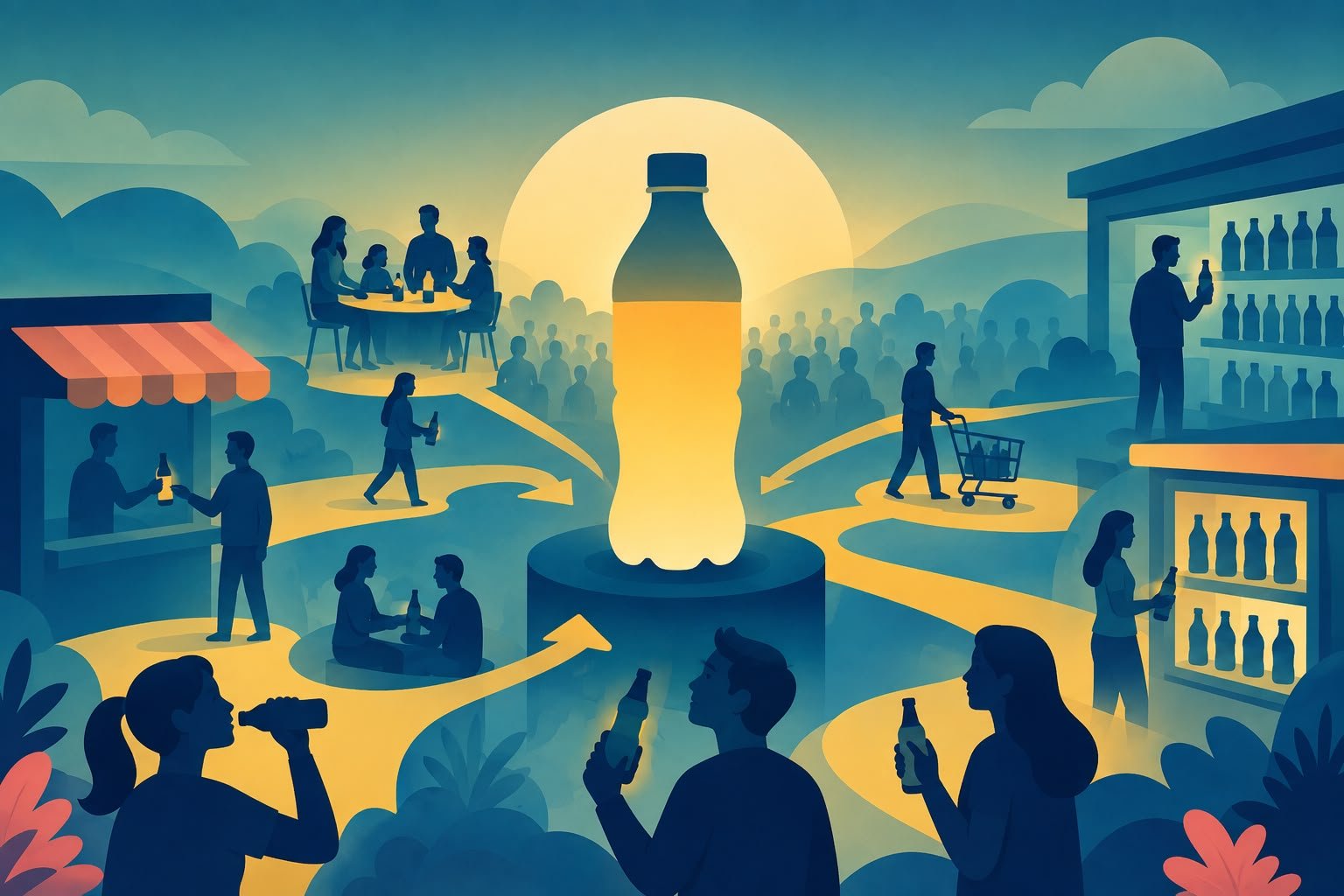
To reach these people, a company has to keep its products in every shop. A very loyal customer will travel a few kilometres to find their favourite drink. But Light Buyers will never go that far. If they want a cold drink and Sprite is missing from the local shop fridge, they will simply pick up a bottle of 7Up or Limca.
Also read: How Consumer Anticipation Influences Behaviour
Occasional shoppers do not care enough to search for one specific brand. Therefore, a smart company spends money to keep its bottles present in every roadside shop. Being easy to find is the only way to sell to light buyers when they finally decide to spend money.
Many brands waste their advertising money trying to make their regular customers buy more often. These brands offer price discounts and reward cards to daily visitors. This plan usually fails to increase total shop profits. The regular customers would have bought the product anyway.
Giving them a discount only reduces the shop’s daily income. A successful business uses its money to reach completely new people instead. By constantly reminding the general public of their name, companies make sure that light buyers remember them during that one rare shopping trip.
Focusing only on daily users makes a brand very small. People change their daily habits, move to different cities, or find cheaper options. Relying purely on daily buyers is very risky for any business owner.
To build a secure business, a company must focus on reaching everyday people. The reality of the market is very simple. A brand only becomes a top company when millions of light buyers decide to buy its product just once or twice a year.
–Written by Rajnish Singh, a copywriter and strategist with a background in fast-paced journalism, who explores the gap between what brands promise and how consumers actually behave.