Discover how FirstCry Branding built parent trust through hospital partnerships, offline stores, and quality-first products.
Looking for a Shorter Overview?
AI Summary
Key Moments
Hospital Gift Box Strategy
FirstCry partnered with maternity hospitals to distribute free baby product gift boxes, achieving 80% repeat customer rate.Offline Store Expansion
Franchise model brought FirstCry to smaller cities, addressing trust gaps in underserved markets.Private Label Launch
BabyHug clothing and CuteWalk footwear gave customers affordable alternatives from a trusted brand.Emotional Connection Building
Brand positioned itself as caring partner during parents' most vulnerable moments, not just another retailer.Before 2010, new parents in India who ran out of diapers at midnight had very few good options. They either settled for cheap, unbranded products from a local medical shop or paid a premium at a speciality store. The market was highly fragmented, and trust simply did not exist.
But in November 2010, something new emerged in the Indian baby care market. Supam Maheshwari and Amitava Saha launched FirstCry from Pune. Maheshwari had recently become a father and noticed how difficult it was to find a wide range of genuine baby products in one place. That personal frustration eventually turned into one of India’s biggest baby and kids retail businesses.
How FirstCry Branding Won Ultimate Loyalty
When a family welcomes a newborn, the parents are exhausted, anxious, and fiercely protective. A mother has just gone through a gruelling medical procedure, and both parents are running on very little sleep. The last thing they want to do is scroll through a smartphone comparing prices for diaper rash cream.
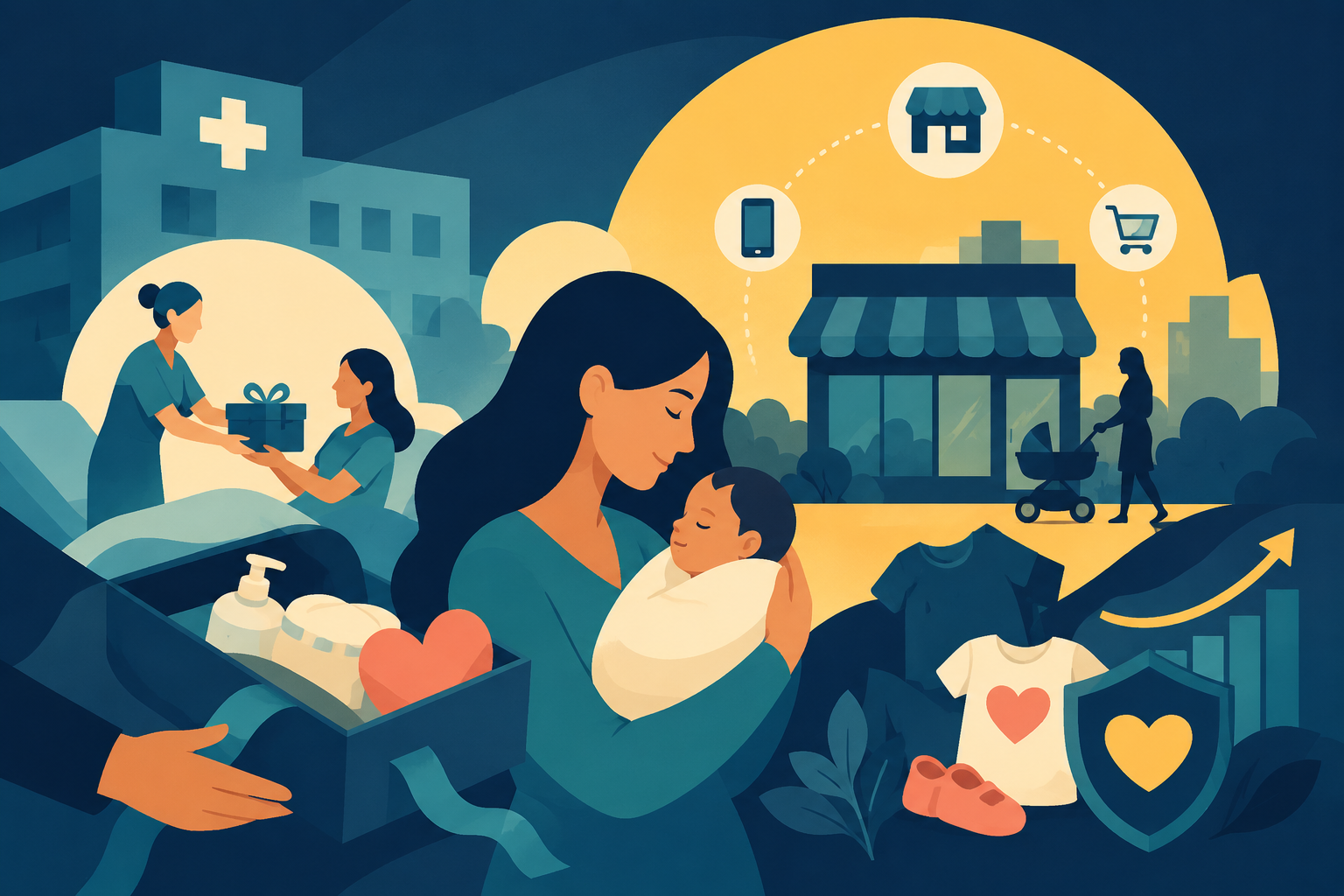
FirstCry bypassed the search engine altogether. The company partnered with thousands of maternity hospitals across India to hand a physical gift box directly to new mothers just hours after childbirth. This early relationship helped the brand achieve a repeat customer rate of nearly 80%.
Inside that box, families found a carefully curated set of premium essentials. When a nurse handed over high-quality diapers and lotion, parents did not see a targeted marketing campaign. They saw a thoughtful gift from a brand that genuinely cared about them.
Before a mother even left the hospital ward, the brand had already established an emotional connection, positioning itself as a safe and reliable partner.
The founders also understood a harsh reality about the Indian consumer. Buying a basic cotton shirt online is easy, but purchasing an expensive stroller or crib is different. Parents want to inspect such products before paying. A new father is understandably afraid of making the wrong choice. He wants to grip the stroller handle, test the brakes, and check whether the materials are safe for his newborn.
In 2011, FirstCry began opening offline stores through a franchise model. Rather than focusing only on major metropolitan cities, the company expanded aggressively into smaller cities and towns. This proved to be a smart move because parents in these markets often had fewer reliable options for baby products.
A physical store immediately made the brand feel more trustworthy. Parents could walk in, touch the clothes, check sizes, and speak with knowledgeable staff. The combination of a digital platform and a strong offline presence built deep local confidence.
Once the company had established trust across the country, the management executed another smart move. In 2013, FirstCry launched BabyHug, its private label for baby and children’s clothing. Later, it introduced CuteWalk for footwear.
Also read: Why Forest Essentials Feels Truly Premium
These in-house brands gave the company greater control over quality, pricing, and product development while remaining focused on the everyday needs of parents.
FirstCry positioned these products alongside premium international brands. Because parents already trusted the FirstCry name, they felt comfortable choosing the more affordable in-house alternatives. As BabyHug became increasingly visible across stores and the website, that trust only continued to grow.
The lesson for modern executives is simple. A cleverly programmed algorithm cannot manufacture maternal trust. Nor can startups win a cautious market through Instagram ads or discount codes alone.
If a brand wants to dominate a high-stakes category, it must meet customers where their anxiety is greatest. Build genuine solutions, place your products in the hands of people when they need them most, and prove your value in the real world. That is how a business transforms a vulnerable moment into lifelong loyalty.
– Written by Rajnish Singh, a copywriter and strategist with a background in fast-paced journalism, who explores the gap between what brands promise and how consumers actually behave.