Discover how Spotify Wrapped turns personal identity into brand engagement, creating loyalty and millions of organic shares.
Looking for a Shorter Overview?
AI Summary
Key Moments
Personality-First Marketing
Spotify Wrapped turns personal data into identity expressions that people want to share.Free Word-of-Mouth
Users become unpaid brand advocates by showcasing their music personality to friends.Tracking as Gift
Data collection feels personal rather than invasive when presented as a customized experience.Breaking Traditional Loyalty
Built-in cultural momentum makes users want to stay for next year's Wrapped experience.On the first morning of December, millions of people wake up, open Instagram, and willingly hand over their personal feeds to a mega-tech platform.
Nobody gets paid or wins a cash prize for doing it.
Yet for seven straight days, social media transforms into a billboard campaign for a single streaming service.
This annual phenomenon is Spotify Wrapped, and it completely challenges traditional ideas about brand loyalty.
Most marketing teams approach customer engagement with a rigid, transactional mindset. They launch sponsored hashtag contests, run repetitive polls, and ask followers to tag three friends in the comments just to win a cheap coupon.
But forced engagement always feels desperate. People scroll right past this corporate noise because most people don’t want to build a relationship with a software company.
How Spotify Wrapped Hacks the Human Mind
Most companies fundamentally misunderstand why people share things online. Many executives genuinely believe users want to promote a brand’s vision to their friends.
This is a complete delusion.
The reality is that people share content that makes them look interesting, smart, or unique. Human beings are naturally fascinated by themselves. We love talking about our own tastes and interests.
When Spotify releases its annual Wrapped campaign, it doesn’t brag about its streaming technology. The brand doesn’t run ads highlighting its vast music library or recommendation algorithm. Instead, it hands every listener a beautifully designed, instantly shareable snapshot of their own personality.
People don’t post their Wrapped because they love the streaming platform.
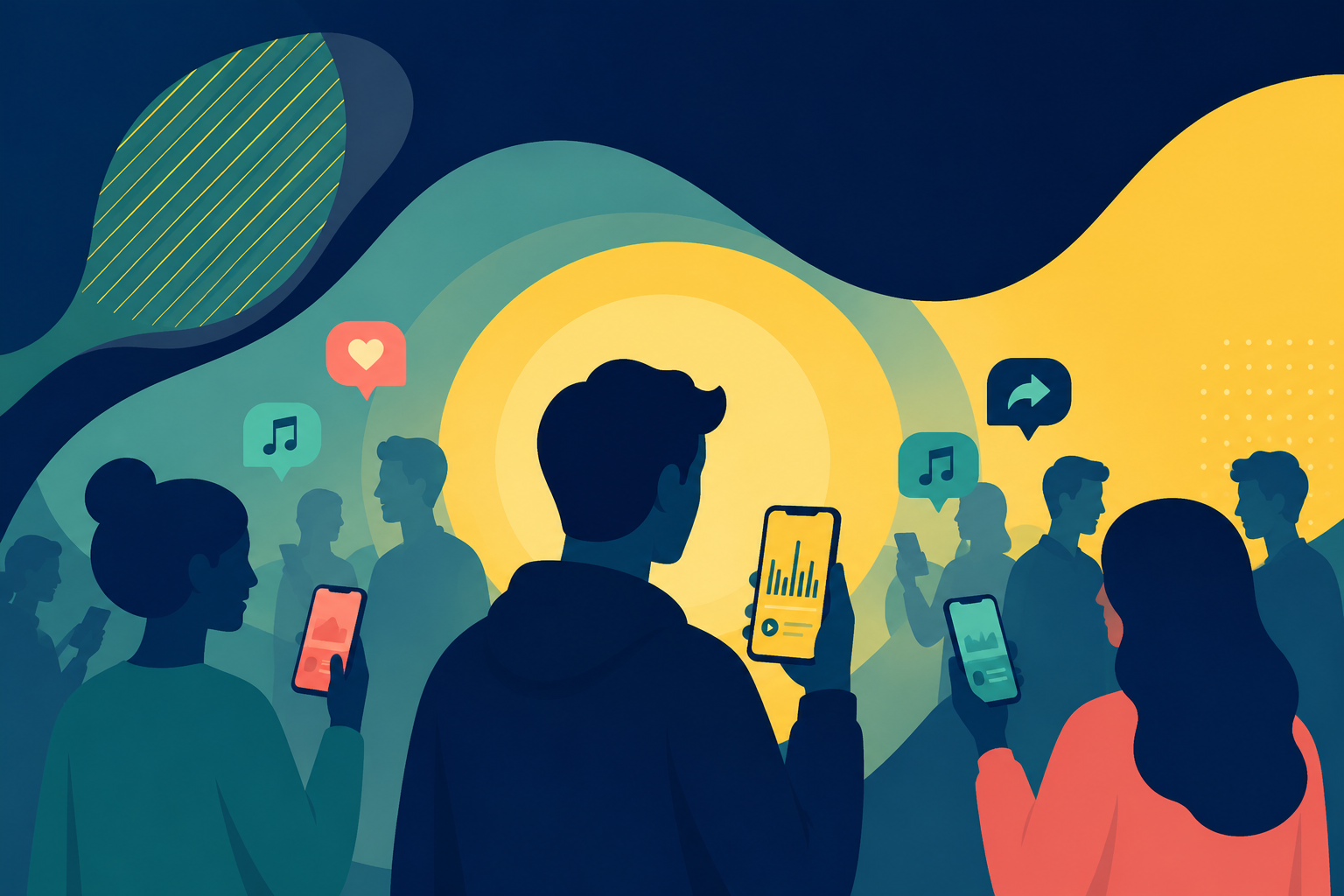
They post it to quietly flex their music taste, show that they’re among the top one percent of an artist’s listeners, or reveal something unique about themselves.
Spotify cleverly categorises listening habits into playful identities like “Vampire” or “Time Traveller.” These labels are carefully designed psychological triggers. The platform simply gives listeners a fun way to express their identity to the world.
When a giant technology company admits it’s tracking every click, search, and listening habit, people usually become uncomfortable. Most consumers don’t like the feeling of being monitored.
But Spotify Wrapped turns that fear upside down.
The platform tracks every skipped song, every late-night heartbreak playlist, and every workout anthem throughout the year. Then, instead of hiding that data collection behind a privacy policy, it transforms the data into a deeply personalised gift.
Also read: Why Brand Governance Matters as Businesses Scale
The brand turns tracking into a nostalgic badge of honour. Suddenly, people aren’t just comfortable with being monitored—they actually look forward to it.
This creates powerful peer pressure.
When someone using another music app opens social media in December, their entire feed is filled with friends comparing listening statistics.
That person immediately feels excluded from the cultural moment.
Spotify doesn’t have to convince them to switch platforms. The desire to be part of Wrapped next year becomes motivation enough. Existing users quietly become an invisible, unpaid sales force.
Rival platforms like Apple Music and YouTube Music have virtually unlimited financial resources. Yet they consistently lose the cultural conversation.
They lose because they treat music like a digital utility—just another app on a phone.
Spotify understands that music is deeply connected to personal identity.
If a business wants to build genuine, long-term loyalty, its marketing team needs to stop listing product features and creating campaigns that beg customers to promote the company’s logo. Nobody cares how much money was spent on a campaign.
Instead, build something that helps customers promote themselves.
When a brand gives people a visually compelling, data-driven way to express who they are, they’ll happily do the marketing for free.
– Written by Rajnish Singh, a copywriter and strategist with a background in fast-paced journalism, who explores the gap between what brands promise and how consumers actually behave.