Discover why viral campaigns aren't enough and how consistent marketing builds stronger brands and lasting customer loyalty.
Looking for a Shorter Overview?
AI Summary
Ask any marketer what their dream campaign looks like, and chances are they’ll describe something that “breaks the internet.”
Millions of views, thousands of shares, trending hashtags, and people talking about the brand everywhere.
It sounds exciting, and honestly, who wouldn’t want that?
But here’s the question very few people ask: What happens after everyone stops talking?
That’s the part many brands forget.
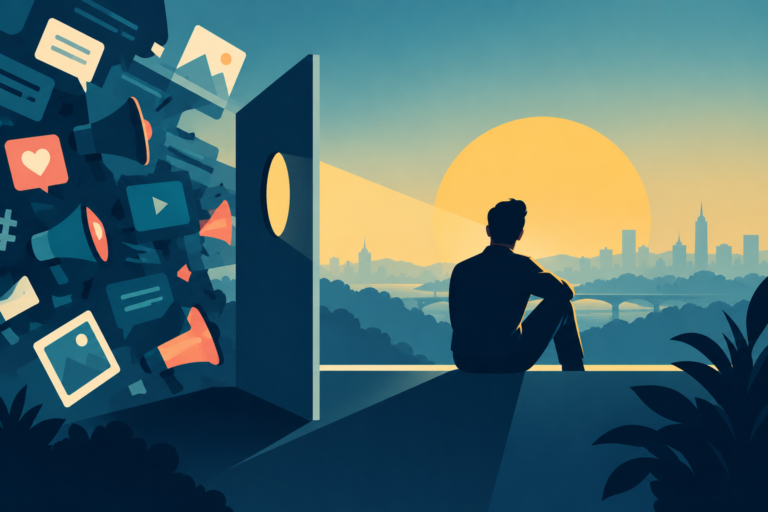
Viral campaigns can bring attention overnight, but attention doesn’t always turn into trust, loyal customers, or long-term growth.
The brands that survive for years aren’t usually the ones chasing one viral moment.
They’re the ones that keep showing up with ideas that work again and again.
Why Viral Campaigns Shouldn’t Be the Finish Line
Imagine a local café posts a funny Instagram Reel.
Maybe the owner accidentally says something hilarious, or a customer records a wholesome moment that people love.
Within a week, the video reached five million views.
Suddenly everyone wants to visit.
The café gains thousands of followers, influencers start dropping by, and people call it a marketing masterstroke.
Now fast forward a month.
The queues are gone. Engagement has dropped. Sales are back to where they were before.
Was the campaign successful?
Yes… and no.
It succeeded in getting attention.
But attention alone isn’t a business strategy.
That’s the biggest difference between viral campaigns and repeatable ones.
One creates a spike. The other creates momentum.
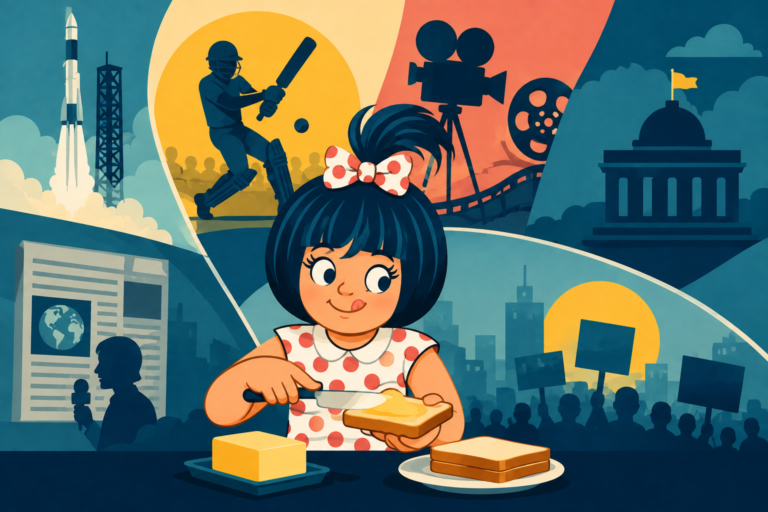
Take Amul, for example.
Its topical advertisements have been around for decades.
Most of them never become global sensations, yet almost every major event, whether it’s cricket, elections, Bollywood, or international news, is followed by people wondering, “What’s Amul going to post?”
That’s not luck.
That’s consistency.
The same goes for Spotify Wrapped.
Every December, people eagerly wait to see their listening habits.
Screenshots flood Instagram Stories, group chats, and X.
It feels viral every year, but Spotify isn’t hoping for a miracle each December. It has built a campaign that people genuinely look forward to.
That’s a huge difference.
The problem begins when brands become obsessed with chasing trends.
A meme becomes popular, so every company suddenly starts using it.
A dance trend goes viral, and even brands that have nothing to do with dancing jump in.
By the time the campaign is finally approved, edited, and published, the internet has already moved on.
Worse still, the campaign often feels forced because it doesn’t sound like the brand anymore.
Repeatable campaigns don’t have this problem.
They aren’t built around what everyone else is doing.
They’re built around what the brand consistently stands for.
Think about Zomato’s notifications.
Most people won’t remember every single one they receive, but they instantly recognise the brand’s playful tone.
Or think about Fevicol.
For years, its advertisements have changed stories, characters, and situations, yet they’ve always communicated one simple idea: incredible strength.
The storytelling evolves, but the message never changes.
That’s why people remember the brand, not just the advertisement.
None of this means viral campaigns are a bad thing.
If your campaign goes viral while staying true to your brand, that’s a great achievement. Celebrate it.
The mistake is making virality the goal instead of making it the outcome.
Once brands start chasing algorithms instead of customers, their priorities quietly change.
They begin asking, “Will people share this?”
Instead of asking, “Will people remember us?”
Those are two very different questions.
The strongest brands aren’t built through one lucky campaign.
They’re built through hundreds of consistent ones.
One brilliant advertisement may introduce someone to your business, but it’s the campaigns that repeatedly deliver value that make people come back.
So before you launch your next campaign, ask yourself one question.
If this never becomes one of those viral campaigns, will it still make my brand stronger?
If the answer is yes, you’re probably creating something much more valuable than internet fame.
You’re building a brand people will remember long after the trend has disappeared.