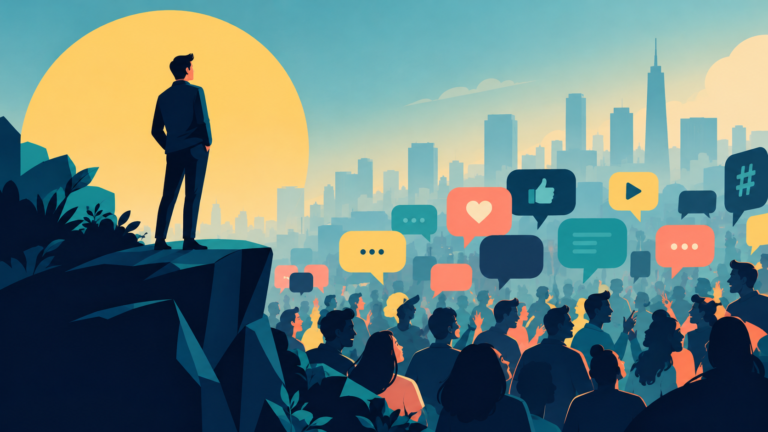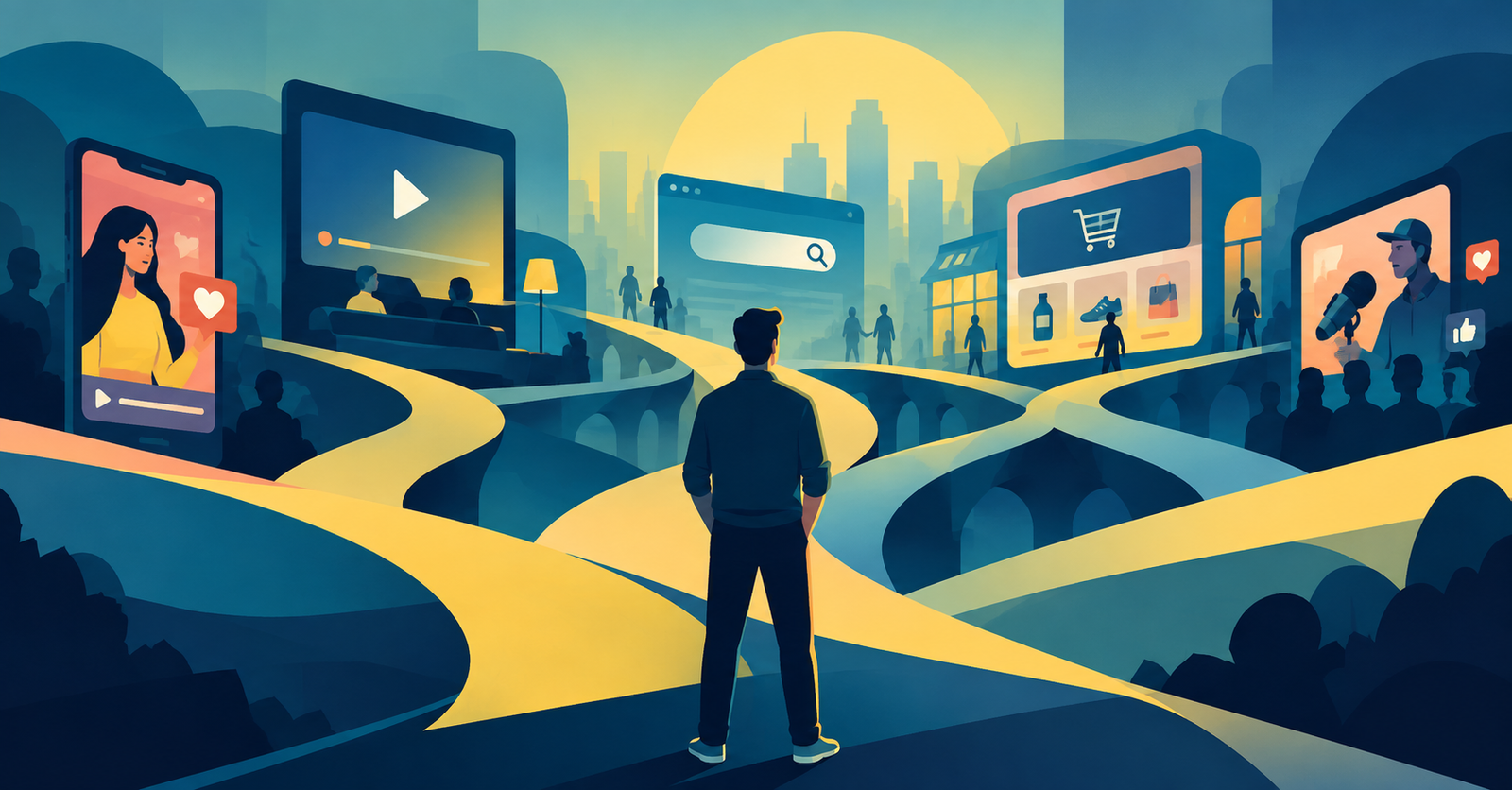
How brands can rethink their Media Mix to stay relevant, reach fragmented audiences and earn attention across changing channels.
Looking for a Shorter Overview?
AI Summary
Key Moments
Start with Audience Attention
Focus on where audiences are willing to pay attention, not just where they appear.Leverage Retail Media
Use retail media to connect awareness with high‑intent purchase moments through shopper data.Partner with Authentic Creators
Work with creators who genuinely resonate with your audience to build relevance and consideration.Measure Full Customer Journey
Track performance across paid, owned, and earned channels to understand the complete path to purchase.Getting attention has always been central to marketing. What has changed is where that attention sits. Consumers now move between social platforms, streaming services, search, retail websites, creators, apps and physical experiences, often within the same buying journey. As a result, a traditional Media Mix built around a handful of predictable channels can quickly become outdated.
The answer is not to be everywhere simply because a new platform has emerged. It is to understand how people discover, evaluate and buy, and then build a Media Mix around those behaviours. In a fragmented attention economy, brands need to think less about individual channels and more about how those channels work together.
5 Ways to Rethink Your Media Mix
1. Start with attention, not the channel
It is tempting to begin media planning by asking where the audience is. A better question is where the audience is willing to pay attention.
Consumers are surrounded by information, advertising and entertainment, which makes relevance increasingly important. Branding Strategy Insider points out that the problem is not necessarily advertising itself, but the clutter surrounding it. When consumers have too much information to process, they need better ways to navigate it.
This means brands should consider the context in which a message appears. A short social video may work for discovery, while search may be more useful when someone is actively looking for a solution. Retail media, meanwhile, can reach shoppers closer to the point of purchase. The right Media Mix should reflect these different moments rather than treating every channel as interchangeable.
2. Give retail media a bigger role
Retail media has become an important part of the modern advertising landscape because it can connect brands with consumers much closer to a purchase decision. Retail platforms can use first-party shopper data and offer formats ranging from sponsored product listings to digital advertising and in-store promotions.
For brands, this creates an opportunity to connect awareness with action. A consumer might first encounter a product through social content, search for it later and finally see it while browsing a retailer. Thinking about these touchpoints together can make media investment more effective than treating retail as a separate activity.
3. Build around creators and communities, not just reach
Reach is useful, but attention is often easier to earn when a message comes through someone or something people already care about. Influencer partnerships, communities and creator-led content can make brands feel more relevant and less like interruptions.
The important point is that creator marketing should not simply be about finding the person with the biggest following. The right partnership needs to make sense for the audience and the brand. Research and commentary on Gen Z marketing, for example, have highlighted the value of authentic relationships, useful content, behind-the-scenes storytelling and creators who genuinely resonate with their audience.
That makes creators a useful part of a broader Media Mix, particularly when the objective is to build consideration rather than simply generate impressions.
4. Use trends selectively
Social platforms move quickly, but brands do not necessarily need to move at the same speed. Jumping on every meme, format or cultural moment can create visibility, but it can also make a brand feel inconsistent.
Trending content can certainly help brands improve exposure, engagement and perceived relevance. But relevance should not come at the expense of recognition. As MediaCat contributors have argued, brands still need distinctive positioning and consistent brand assets to stand out in an increasingly noisy environment.
The better approach is to identify trends that naturally connect with the brand and its audience. A trend should be a useful vehicle for the brand idea, not the idea itself.
Also read: Can Decision Fatigue Explain Why Consumers Choose the Familiar Option?
5. Connect paid, owned and earned media
A fragmented audience does not necessarily require a fragmented strategy. In fact, the opposite may be true.
A strong Media Mix should allow different channels to play different roles while working towards the same objective. Paid media can create reach, owned channels can deepen the relationship, creators can add credibility and earned media can extend the conversation. The latest thinking on media planning also points towards greater integration across paid, owned and earned channels, alongside continuous testing and stronger measurement.
This also means measuring more than individual channel performance. A campaign may begin with a social video, generate a search, lead to a retailer visit and eventually result in a purchase. Looking only at the last click can hide how the different pieces contributed.
Attention will continue to fragment as new platforms, formats and behaviours emerge. Brands cannot predict every place their audiences will spend time, nor should they try to chase every new opportunity. What they can do is build a flexible Media Mix based on audience behaviour, context and a clear brand idea. In a crowded media environment, the goal is not simply to be seen more often. It is to be remembered for the right reasons.
– Written by Saad Rashid, an experienced journalist with extensive experience across both print and digital media. He has worked with various publications in India and internationally and has reached millions of readers through his thought-provoking articles.
Enjoyed this article? Read more here.