How service businesses can build customer trust by creating confidence, delivering consistency and making every interaction count.
Looking for a Shorter Overview?
AI Summary
Key Moments
Buy Confidence, Not Just Service
Customers seek trust and reassurance before purchasing a service, not just the service itself.Listening Reveals True Needs
Effective personalization requires listening to uncover the emotions behind a client's request.Every Interaction Shapes Brand
Consistent, small moments of care and responsiveness build a premium brand perception.Trust Earned, Not Bought
Lasting loyalty comes from earning trust through continuous, authentic customer experiences.Over the years, I have realised that people rarely walk into a salon thinking only about the service they have booked.
A haircut is not just a haircut. A colour appointment is not just about the colour. Before making that decision, a customer is usually asking themselves a few questions. Will they understand what I want? Will they listen to me? Will I be happy with the result? Will I feel comfortable enough to say something if I don’t like it?
Most of these questions are never asked directly, but they are part of the decision.
That is something I understood more clearly after spending years in the beauty business. A service is different from a product because the customer cannot really experience it before they buy it. They have to trust you first.
And that changes the role of marketing.
The customer is looking for reassurance
When you buy a product, you can usually see it, touch it and compare it before making a decision. With a service, there is always an element of uncertainty. You can show someone your work, tell them about your team and share reviews, but they will only know what the experience is actually like after they have tried it.
So, before the customer buys the service, they are really buying a little bit of confidence.
That confidence can come from a friend’s recommendation, a review, the way the brand communicates online or simply from the way someone answers the phone. It can even come from a stylist taking the time to explain what would and would not work for them.
These things may not look like marketing in the traditional sense, but they influence the decision just as much as an advertisement does.
Sometimes listening is the best marketing
One of the biggest things I have learnt is that customers do not always know how to explain what they want.
Someone may show you a photograph and say, “I want this.” But what they may actually be looking for is a certain feeling. They might want a change, more confidence, something different for an occasion or simply to feel better about themselves.
You only discover that when you listen.
I think this is where many businesses misunderstand personalisation. It is not just about knowing someone’s name or remembering their birthday. It is about understanding why they have come to you in the first place.
When a customer feels understood, the relationship with the brand changes. They are no longer just buying a service. They feel that someone is genuinely trying to help them get the result they want.
That is difficult to manufacture through advertising.
Your brand is being experienced all the time
One thing I find interesting about service businesses is that the brand is being communicated even when nobody is actively marketing it.
It is in the way a phone call is answered. It is in how a team handles a delay. It is in whether someone remembers a previous conversation. It is in how a complaint is handled.
We spend so much time thinking about campaigns, social media and promotions that it is easy to forget that customers are forming opinions about us through all these smaller interactions.
A brand can say that it cares about its customers, but if the customer feels rushed or ignored, they will believe the experience rather than the message.
The same applies to being “premium”. You cannot simply describe yourself as premium and expect customers to believe it. They decide based on the details. How were they treated? Was the service consistent? Did someone take the time to understand them?
The experience has to support the promise.
Also read: Social Media Isn’t a Branding Exercise Anymore – It’s a Direct Growth Channel
The first visit gets you a customer. The second tells you what you built.
Marketing often focuses on getting someone through the door. How many people saw the campaign? How many booked? How much did it cost to acquire a customer?
These are important numbers, but I think there is another question worth asking: why did they come back?
The first visit can happen for many reasons. A recommendation, an offer, something they saw online or simply curiosity.
The second visit is different. By then, they have experienced the brand for themselves. They know whether they felt comfortable, whether they were listened to and whether the service was worth what they paid.
That is when trust starts becoming loyalty.
And perhaps that is one of the biggest things I have learnt about marketing through my experience in the beauty business. You can spend a lot of money getting someone’s attention, but you cannot buy their trust.
You have to earn it.
And most of the time, you earn it in the moments that don’t look like marketing at all.
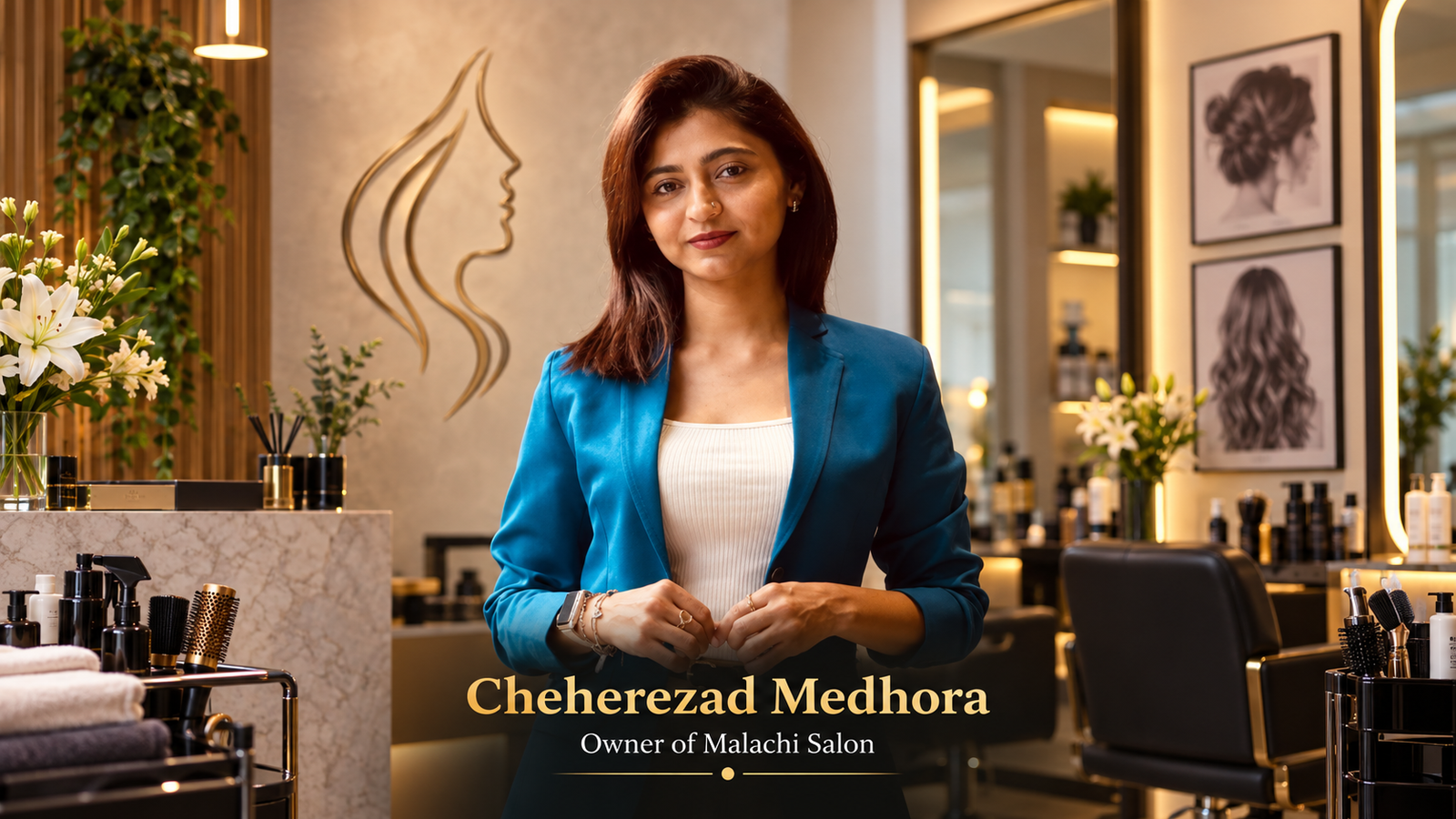
– Written by Cheherezad Medhora, Owner of Malachi Salon. With years of experience in the beauty business, she brings a perspective shaped by entrepreneurship, resilience, and the importance of building lasting relationships with customers.