Discover how customer effort influences brand perception, trust and loyalty, and why frictionless experiences create stronger brands.
Looking for a Shorter Overview?
AI Summary
Key Moments
Ease Signals Competence
Customers associate smooth interactions with reliability, assuming the brand is trustworthy.Effort Creates Emotional Friction
Difficult experiences generate frustration that can outweigh positive product attributes.Low‑Cost Friction Removal
Simple changes like clearer forms and faster responses boost satisfaction without large tech investments.Consistent Simplicity Across Touchpoints
Uniform ease in every interaction builds trust and reinforces positive brand perception.Most businesses spend a great deal of time thinking about what customers see. They invest in branding, advertising, packaging, and messaging to influence first impressions. Yet one of the strongest drivers of brand perception often has little to do with visual identity. It is the amount of effort customers must invest to interact with the brand.
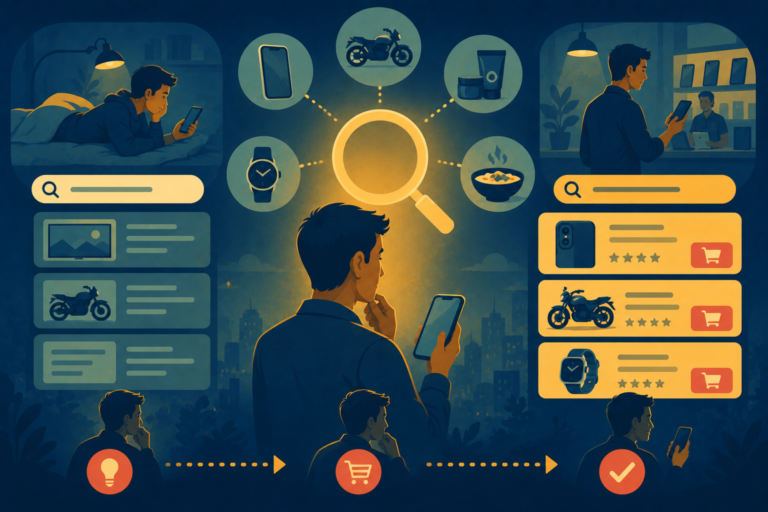
Whether someone is placing an order, searching for information, resolving a complaint, or returning a product, every unnecessary step leaves an impression. Customers may not remember every detail of the process, but they almost always remember how easy or difficult it felt. That experience quietly shapes how they think about the brand long after the interaction is over. In many cases, Customer Effort becomes a stronger signal of quality than the marketing campaign that first attracted them.
Why Customer Effort Matters More Than Many Brands Realise
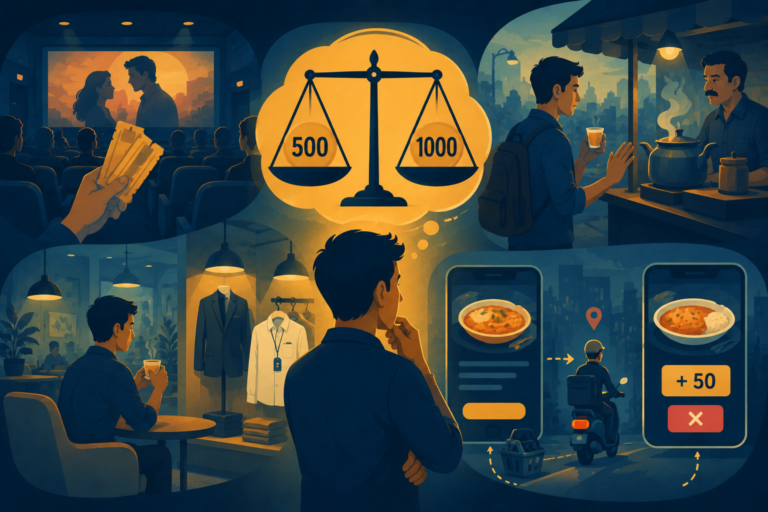
People naturally gravitate towards experiences that save them time and reduce frustration. While price and product quality remain important, convenience has become an increasingly significant factor in purchasing decisions. Every interaction contributes to customer perception, and those interactions extend far beyond advertisements or websites. Customer service, delivery, payment, returns, and even post-purchase communication all influence how a brand is judged.
This explains why brands with similar products often enjoy very different reputations. One company may offer an excellent product but make it difficult to find information, contact support, or complete a purchase. Another may offer a comparable product while making every interaction simple and intuitive. Customers frequently remember the second experience more positively because it required less mental and emotional effort.
The psychology behind this is straightforward. People tend to associate ease with competence. When a company makes interactions smooth, customers often assume the organisation is reliable, organised and trustworthy. On the other hand, confusing websites, lengthy approval processes or repetitive customer service conversations create unnecessary friction that reflects poorly on the brand itself.
Customer effort also influences emotional responses. A difficult experience creates frustration that can outweigh positive product attributes. Even if the final outcome is satisfactory, customers often remember the inconvenience. Conversely, when a company resolves an issue quickly or removes unnecessary obstacles, customers are more likely to describe the experience as positive and recommend the brand to others.
Importantly, reducing effort does not always require major technological investments. Many improvements come from identifying moments where customers are forced to work harder than necessary. Complicated checkout forms, unclear pricing, inconsistent communication, or long response times all increase customer effort. Removing these pain points often produces noticeable improvements in customer satisfaction without changing the core product.
Also read: How Brand Recognition Influences Split-Second Decisions
Consistency also plays a crucial role. Customers expect the same level of simplicity across every touchpoint. If the website is easy to navigate but the returns process is confusing, the overall perception of the brand suffers. Strong brands create experiences where each interaction reinforces the feeling that doing business with them is straightforward and dependable. That consistency strengthens trust over time because customers know what to expect whenever they return.
Measuring customer effort can provide valuable insights that traditional satisfaction scores sometimes miss. Businesses increasingly use customer feedback, surveys, and behavioural data to understand where customers experience friction. These insights help identify problems that internal teams may overlook because they are too familiar with existing processes. Listening carefully to customer feedback often reveals opportunities to simplify experiences and strengthen perception simultaneously.
Ultimately, brand perception is not built solely through advertising or storytelling. Those elements may shape expectations, but everyday experiences determine whether those expectations are fulfilled. Customers judge brands not only by what they promise but by how easy they make life for the people they serve.
As markets become more competitive and products become increasingly similar, reducing Customer Effort may prove to be one of the most effective ways to differentiate a brand. A business that consistently removes friction communicates respect for its customers’ time and attention. That commitment often leaves a stronger and more lasting impression than even the most memorable marketing campaign.