Single product reliance is dangerous. See how mastering the halo effect turns ordinary sales into an unstoppable success.
Looking for a Shorter Overview?
AI Summary
Key Moments
Halo Effect Psychology
Positive product experiences transfer favorably to entire brand perceptionApple iPod Success
Compact music player sparked broader Mac computer adoptionResearch-Backed Impact
67% of consumers try new products from trusted brands, increasing lifetime value 40%Quality Protection Critical
Poor product experiences can damage entire brand trustWhen customers have a positive experience with a product, they may begin to view the entire company more favorably. Psychologists call this tendency the Halo Effect.
Psychologist Edward Thorndike first described the concept in 1920. It explains how one strong impression can influence people’s overall judgments. Businesses can use the Halo Effect to build trust in their brand and introduce customers to other products they offer. Understanding this behavior can help companies market more effectively and make better use of their advertising budgets.
How Brands Trigger the Halo Effect with Perfect Products
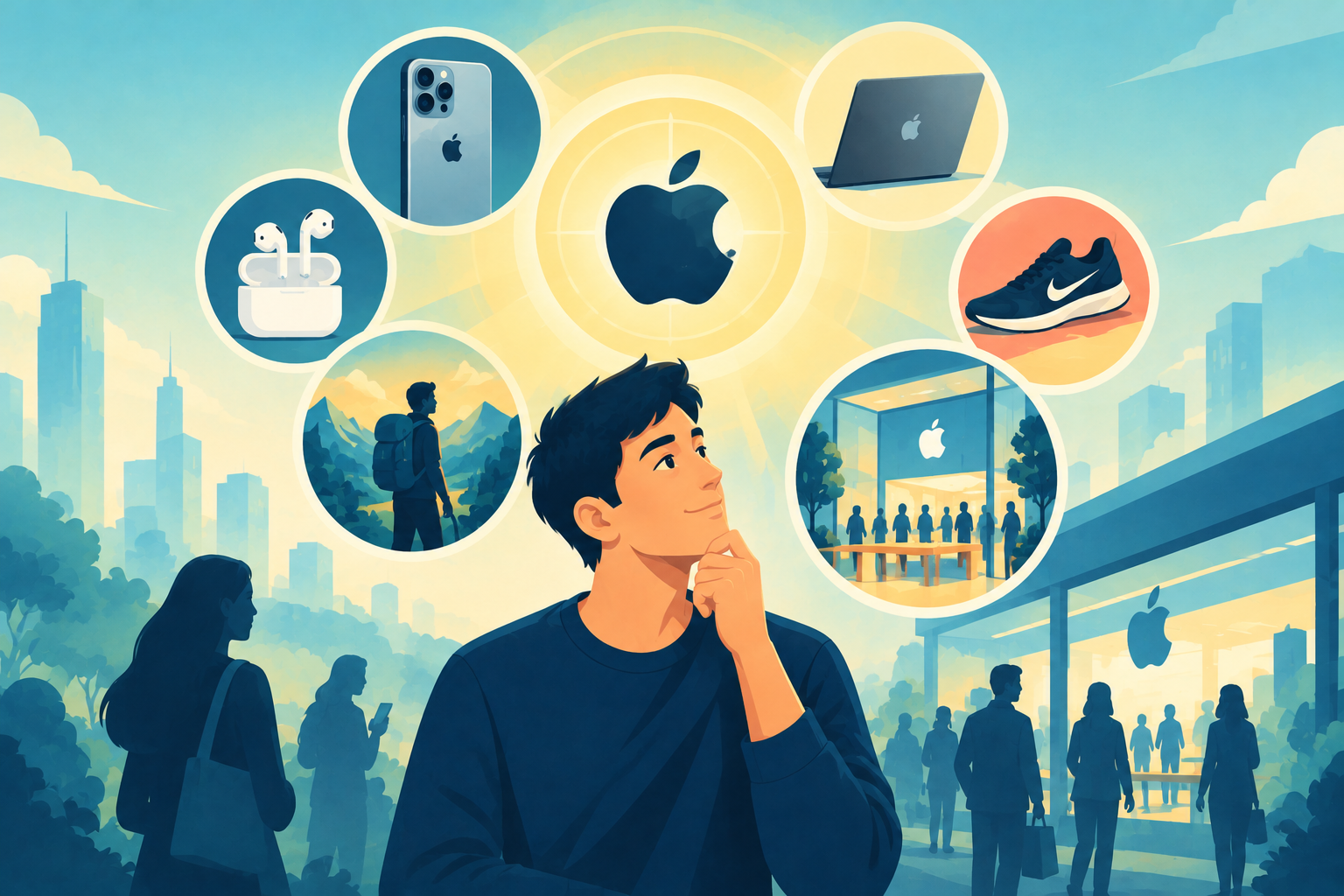
Technology companies often use successful products to build trust in their wider brand. When Apple launched the iPod in 2001, customers responded positively to the compact music player. That experience helped create a Halo Effect, encouraging some customers to consider other Apple products, including Mac computers. Company records show that Mac sales grew by 27% in 2005, illustrating how a positive impression of one product can influence customers’ views of others.
Clothing brands can also benefit from the Halo Effect when their actions align with customers’ values. Patagonia, for example, supports environmental causes and works to protect natural spaces. When shoppers learn about these efforts, they may view the company more positively and extend that trust to its products. This stronger brand perception can help Patagonia attract customers who are willing to pay premium prices for outdoor clothing.
Shoe companies often partner with famous athletes to promote their products. Nike, for example, pays well-known basketball players to wear its sneakers during games. Fans admire these athletes and may transfer some of that admiration to the shoes they wear. This Halo Effect can make the sneakers seem more appealing and encourage fans to buy them. As we discussed in our previous article about Advertising Wear-Out, brands should choose celebrity endorsers carefully to keep their campaigns effective.
Retail stores can also create a Halo Effect through their design. Apple’s stores, for example, use clean layouts, glass surfaces, and carefully arranged displays. These surroundings can shape how customers perceive the products, making the devices seem more premium. A thoughtfully designed store can strengthen the brand’s image and help support higher prices.
Research from Edelman suggests that 67% of consumers are more likely to try new products from companies they trust. This trust can increase Customer Lifetime value by 40%.
Nielsen research also indicates that 60% of shoppers may try a new product after having a positive experience with another item from the same brand. This Halo Effect can lower customer acquisition costs: a strong impression of one product may encourage loyal customers to explore others, helping the business grow revenue without relying as heavily on additional advertising.
Capitalizing on the Halo Effect also means providing excellent customer service when problems arise after a purchase. Rather than leaving customers to deal with delayed deliveries or technical issues on their own, thoughtful support teams respond quickly, show empathy, and offer fair solutions.
When a company handles a problem well, it can turn a worried customer into a loyal advocate. That positive experience may shape how they view future interactions with the brand.
Business managers must protect product quality because a poor experience can create a negative impression of the entire brand. If customers receive a faulty product, they may lose trust and avoid buying other items from the same company.
Also read: Why Does Visual Storytelling Work Differently Across Media?
To preserve the Halo Effect, businesses should carefully test their products and maintain consistent quality. When customers have positive experiences, they are more likely to trust the brand and consider its other offerings, supporting future sales. “
Loved this article? Read more insightful articles on Brand Custodian.
–Written by Rajnish Kumar, a copywriter and strategist with a background in fast-paced journalism, who explores the gap between what brands promise and how consumers actually behave.