Can Marketing Friction help brands build stronger customer relationships? Explore when friction can drive trust, loyalty and engagement.
Looking for a Shorter Overview?
AI Summary
Key Moments
Good Friction Drives Consideration
Well‑designed friction pauses users, prompting thought and building confidence in decisions.Bad Friction Undermines Trust
Struggle‑induced friction‑like slow sites or confusing flows‑irritates customers and erodes brand perception.Brand Differentiation Through Purposeful Friction
Strategic friction (e.g., Patagonia’s impact stories) creates distinctive, harder‑to‑copy experiences that set brands apart.Balance Ease and Reflection
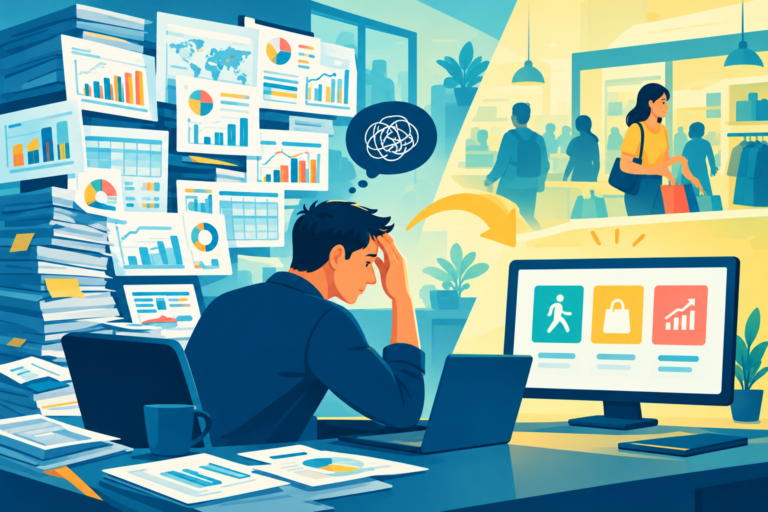
Routine actions stay frictionless, while high‑stakes choices benefit from thoughtful pauses to deepen engagement.Marketing has spent years trying to remove friction. Fewer clicks, faster checkouts, shorter forms, instant recommendations and seamless customer journeys have become markers of good digital experiences. And for good reason: unnecessary effort can frustrate customers and make them abandon a purchase. But is all friction necessarily bad for a brand? Increasingly, marketers and behavioural experts argue that the answer is no. The right kind of Marketing Friction can make people pause, think, engage and sometimes even feel more connected to a brand.
When Marketing Friction Becomes a Brand Advantage
The key is understanding that friction is not automatically a problem. There is a difference between friction that creates frustration and friction that creates consideration. The first gets in the way of a customer. The second gives the customer a reason to stop and pay attention.
Consider a brand selling something that requires thought rather than an impulse purchase. Making the experience completely automatic may remove opportunities for the consumer to understand what they are buying. A short assessment, comparison tool, educational content or an explanation of how a product is made can add a few extra moments to the journey, but those moments can also build confidence. Magnolia, for example, points to L’Oréal’s Skin Genius as a form of interactive experience that makes consumers reflect on their individual needs before recommending products.
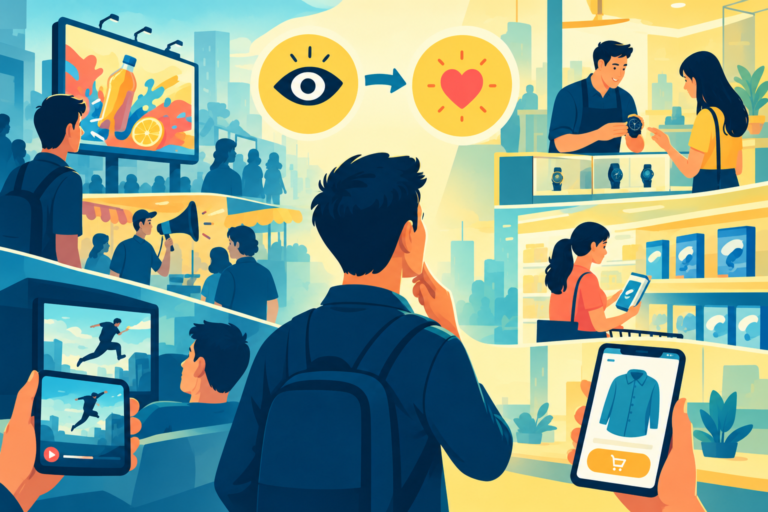
This is where good Marketing Friction becomes particularly useful. Instead of simply pushing someone towards a conversion, it can help them arrive at the conversion with greater awareness. MIT Sloan describes this approach as “good friction”: giving people more opportunities to understand decisions, retain control, and engage with the experience rather than allowing automation to make every choice for them.
There is also a branding argument for friction. When every digital interaction is designed around speed and convenience, brands can begin to look remarkably similar. Wavemaker has argued that excessive friction removal can push brands towards competing primarily on convenience, distribution and price, while meaningful friction can create distinctive encounters that are harder to commoditise.
This can be seen in how some brands use their own digital platforms. Patagonia, for instance, uses product content to explain the environmental impact and production of its products. That information may make the purchase journey slightly less immediate, but it gives consumers a deeper understanding of what the brand stands for. Bicycle takes a similar approach by using its website to showcase its history, limited-edition products, and extensive content rather than treating the site simply as a catalogue.
Also read: Chipotle: How Ingredient Transparency Became a Brand Asset
Friction can also be useful when the objective is to make customers reconsider a decision. One behavioural case study described how a newspaper subscription funnel added a mandatory step requiring users to actively consider additional services. The change reportedly resulted in a 50% increase in mobile app purchases. The important point was not simply adding another obstacle; the extra step directed attention towards an option that customers might otherwise have ignored.
But this is also where brands need to be careful. Marketing Friction should never become an excuse for making customers struggle. A slow website, confusing navigation, unnecessarily long checkout, or a deliberately difficult cancellation process does not create meaningful engagement. It creates irritation. MIT distinguishes this kind of “bad friction” from good friction, particularly when customers lose autonomy or find it difficult to understand what is happening.
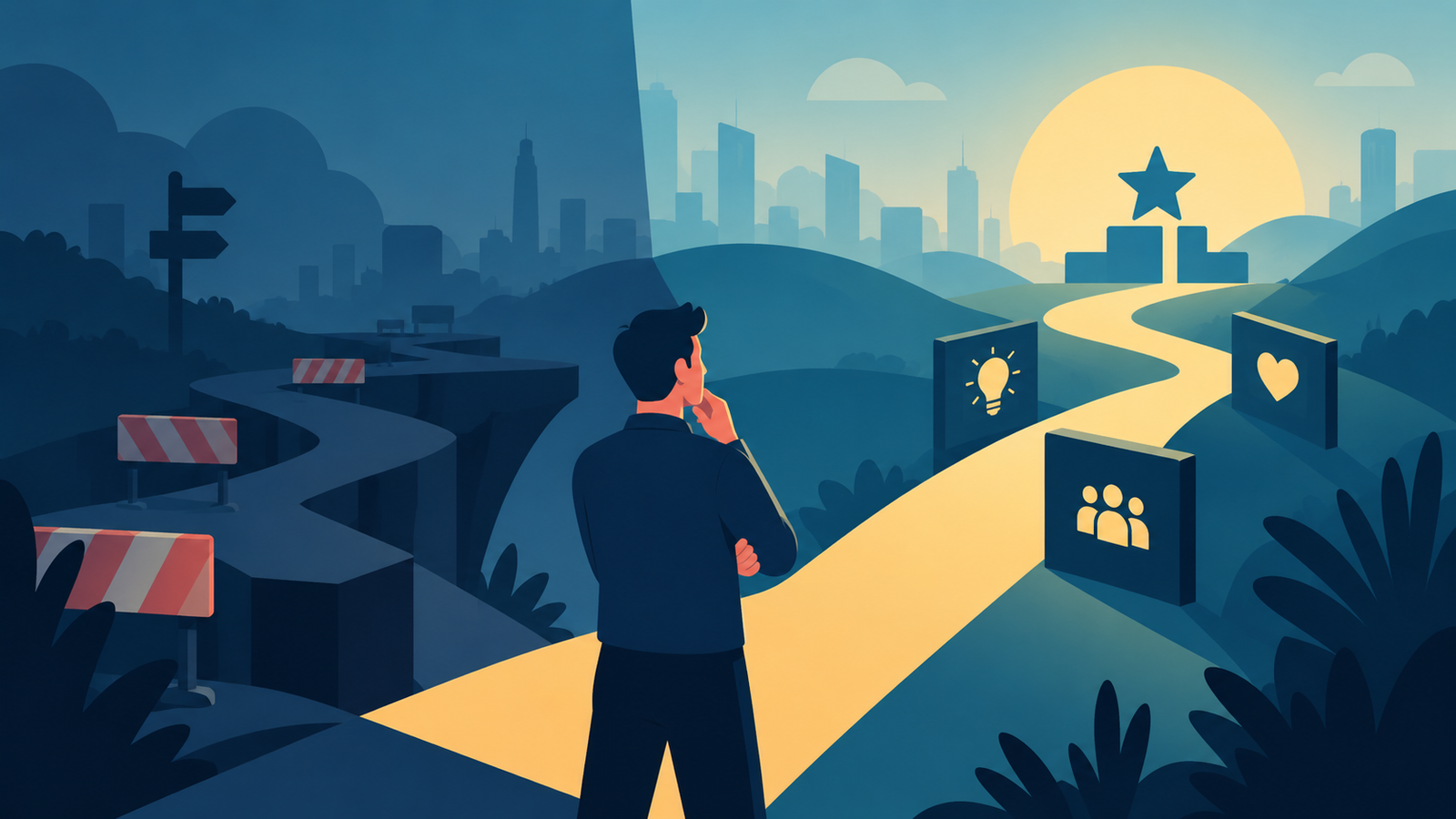
The distinction is therefore fairly simple: good friction makes people think; bad friction makes people fight the experience.
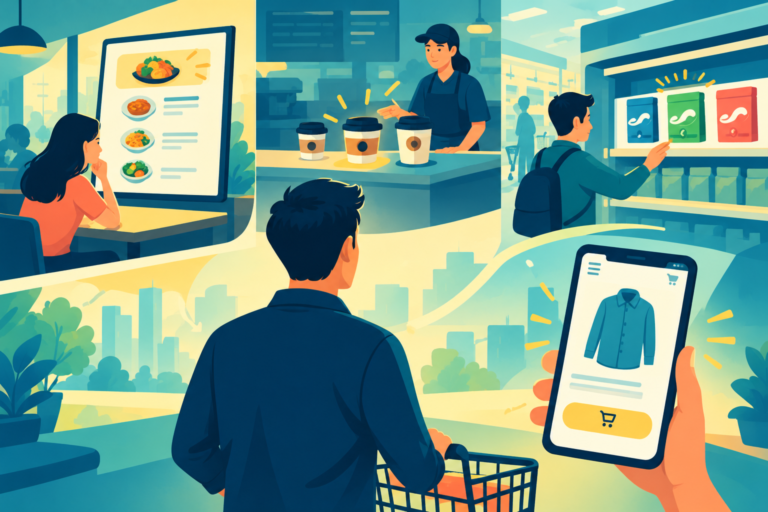
For marketers, the challenge is not to choose between friction and frictionlessness. It is to know where each belongs. Routine actions should be easy. Important decisions may deserve a pause. A checkout should not become a maze, but a product that requires consideration should not necessarily be reduced to a “Buy Now” button either.
The strongest brands may ultimately be those that understand this balance. Convenience can win the transaction, but a thoughtful experience can win the relationship. In a marketplace where technology increasingly makes everything faster, a carefully designed moment that makes people stop, notice, and think may be exactly what makes a brand worth remembering.