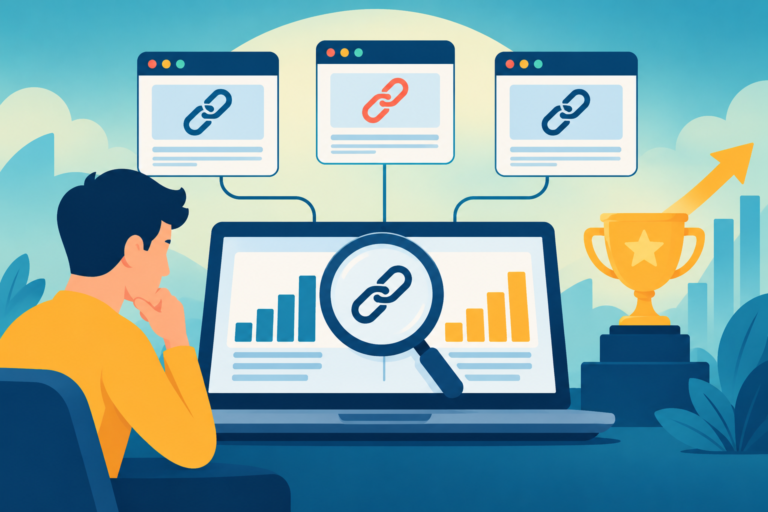
Discover how Search Analytics helps marketers uncover hidden consumer demand, understand search intent and identify opportunities beyond website traffic.
Looking for a Shorter Overview?
AI Summary
Key Moments
Search Intent Insights
Understanding query intent reveals where audiences are in their decision‑making process.Internal Site Search Reveals Gaps
Frequent unsuccessful internal searches highlight missing products or content mismatches.AI‑Powered Search Creates Measurement Gaps
AI‑generated answers bypass site visits, causing traditional analytics to miss visibility.Integrated Data Drives Action
Combining search data with site analytics uncovers demand and informs content and product decisions.Website traffic has long been one of the most commonly used indicators of digital marketing performance. Marketers track page views, sessions, bounce rates and traffic sources to understand how audiences interact with their websites. However, these numbers do not always reveal what potential customers are actually looking for, what problems they are trying to solve or what might influence their purchasing decisions. A website can attract thousands of visitors and still fail to capture meaningful demand.
This is where Search Analytics becomes valuable. By examining what people search for, how they phrase their queries, what they click on and where they encounter difficulties, marketers can uncover insights that conventional traffic reports often overlook. Search behaviour offers a closer look at consumer intent, emerging interests and unmet expectations. When interpreted alongside website performance and conversion data, it can help businesses make more informed decisions about their content, products and marketing strategies.
How Can Search Analytics Reveal Demand Beyond Traditional Traffic Reports?
The first step is to look beyond the number of searches and understand the intent behind them. A search query is not simply a keyword. It often reflects a question, a requirement or a problem that someone wants to address. For instance, a person searching for ‘best running shoes’ may still be exploring options, while someone searching for ‘lightweight running shoes for marathon training’ has a more specific requirement. Analysing these differences helps marketers understand where audiences are in their decision-making process and create content that addresses their actual needs.
One of the most useful areas to examine is internal site search. Unlike general website browsing, internal searches provide direct information about what visitors expect to find on a website. Marketers can identify frequently searched terms, popular product categories, repeated queries and searches that return no results. A high volume of unsuccessful searches could indicate missing products, incomplete website content or a mismatch between the language customers use and the terminology a business uses. These insights can help marketing and product teams identify opportunities that might otherwise remain unnoticed.
Another important metric is the search refinement rate. When visitors repeatedly modify their queries before clicking on a result, it could indicate that the initial results are not sufficiently relevant. Similarly, a low click-through rate on search results may suggest that the content, products or information being displayed do not match user expectations. Rather than treating these numbers as isolated technical issues, marketers should investigate the underlying reasons. Improving search relevance, reorganising website categories and addressing content gaps can make it easier for visitors to find what they need.
Search Analytics can also help businesses identify demand that does not yet translate into website visits. Consider a situation where several visitors search for a particular product or service, but the business does not currently offer it. Traditional website reports might register these interactions as unsuccessful searches or exits. However, when analysed collectively, they could reveal an unmet customer requirement. If the same searches increase over time, marketers have a reason to investigate whether the business should introduce a new offering, expand an existing category or create content around the subject.
This is particularly useful when identifying emerging trends. Tracking search queries over longer periods can reveal changes in consumer interests, seasonal requirements and growing product preferences. Comparing search volumes, query variations and conversion patterns can help marketers distinguish between temporary spikes and sustained interest. However, search activity should be treated as an indicator of potential demand rather than definitive proof of purchase intent. It needs to be evaluated alongside market research, customer feedback and actual business performance.
The way marketers measure search performance is also changing with the growth of AI-powered search experiences. Consumers increasingly use tools such as ChatGPT, Gemini and Google’s AI Overviews to research products, compare alternatives and find answers. In many instances, they may receive the information they need without visiting the websites providing it. This creates a measurement gap because traditional analytics platforms primarily capture interactions that happen on a website.
Also read: Can Product Sampling Influence Purchase Decisions Before Consumers Commit to Buying?
Consequently, declining organic traffic does not always mean that a brand has lost visibility or relevance. Marketers also need to understand how frequently their brands appear in AI-generated answers, whether their content is cited and how these interactions influence subsequent customer behaviour. Gartner recommends combining traditional business metrics, such as traffic and conversions, with newer visibility indicators, including share of answer, citation presence and brand mentions.
To make these insights actionable, marketers should connect search data with website analytics and first-party customer information. Google Analytics 4 can help identify how visitors behave after arriving on a website, which pages they engage with and where they drop off. Google Search Console can provide additional information about the queries generating impressions and clicks.
When these datasets are considered together, marketers can understand whether search interest is translating into meaningful engagement and conversions. For example, a topic generating growing search impressions but limited engagement may need better content, while a page attracting relevant visitors but producing few conversions may require improvements to its messaging or user experience.
Ultimately, the objective is not to replace traditional traffic reports but to make them more meaningful. Traffic, rankings and conversions remain important measures of marketing performance, but they do not always explain the demand developing behind those numbers. Search Analytics helps bridge this gap by revealing what audiences are looking for, where businesses are failing to meet expectations and which opportunities deserve attention. Marketers who combine search behaviour with customer insights and business outcomes can move beyond reporting past performance and make better-informed decisions about future demand.
– Written by Saad Rashid, an experienced journalist with extensive experience across both print and digital media. He has worked with various publications in India and internationally and has reached millions of readers through his thought-provoking articles.
Enjoyed this article? Read more here.