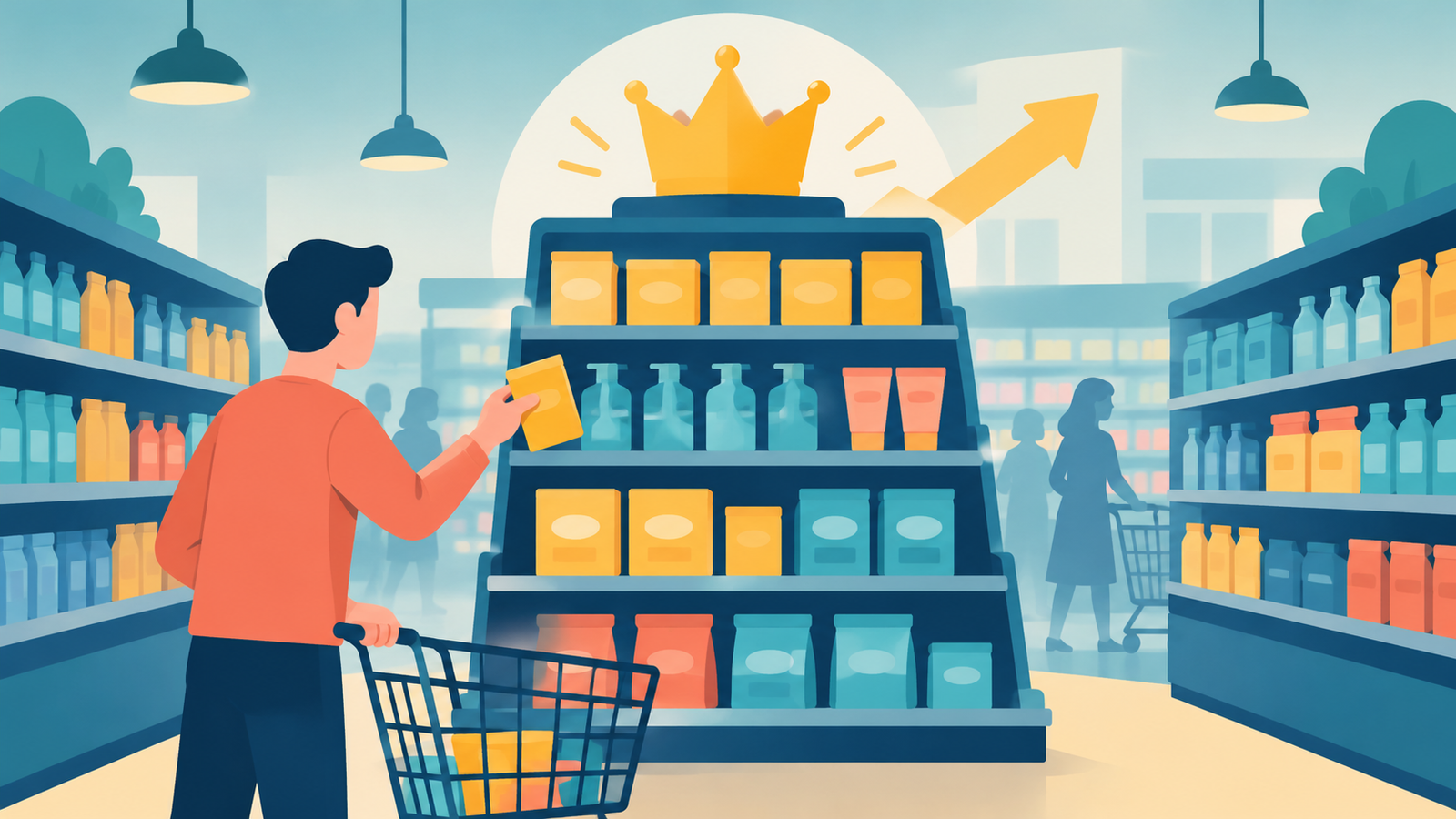
Are messy store layouts hurting you Discover why category management is the ultimate retail secret.
Looking for a Shorter Overview?
AI Summary
Key Moments
Group related items boost sales
Nielsen reports grouping related products can increase category sales by 15%.Control shelf space efficiently
Category Management lets retailers remove underperformers and free space for popular products.Reduce costly stock imbalances
Out-of-stocks and overstocks cost retailers about $1 trillion annually.Leverage data for precise replenishment
Tracking daily sales and using alerts keep shelves stocked and align supply with demand.Supermarkets stock thousands of products, so shoppers need a clear way to find what they’re looking for. Category Management helps retailers organise products into useful groups and decide how to arrange them on shelves. When products are easy to find, customers can shop more confidently, and stores can manage their inventory more effectively. A well-planned Category Management approach can support sales for both retailers and suppliers.
How Brands Excel at Grouping Similar Items Through Category Management
A shopper looking for a toothbrush may also need toothpaste. By placing these related products near each other, retailers can make shopping more convenient and encourage customers to buy both items. Nielsen reports that grouping related products can increase category sales by 15%. This approach to Category Management can help shoppers find what they need while supporting stronger sales for the store.
Retail shelves have limited space, so slow-selling products can crowd out items customers want. Category Management helps retailers review their product range, remove underperforming items, and make room for more popular products.
As we discussed in our previous article about Product Retirement, clearing out products that no longer sell well can help stores use their space more effectively. Accurate Category Management depends on tracking sales data closely. By reviewing daily sales, retailers can identify popular products, order the right quantities, and help suppliers deliver stock that matches demand.
McKinsey’s analysis of retail RFID found that improved inventory visibility can increase inventory accuracy by more than 25%, reduce inventory-related labour hours by 10% to 15%, and boost sales by up to 5%. Better-informed decisions can help stores avoid excess stock and keep products moving. A shopper who comes to a supermarket for a particular soap may leave disappointed if the shelf is empty. Effective Category Management helps retailers monitor demand and reorder popular products before they run out.
IHL Group estimates that out-of-stocks and overstocks cost retailers around $1 trillion globally each year. By keeping shelves stocked with products customers want, stores can reduce missed sales and improve the shopping experience.
When retailers purchase large quantities from suppliers, they may be able to negotiate lower wholesale prices. Category Management helps organise purchasing by product group, making it easier to review spending and coordinate with suppliers.
These savings can reduce purchasing costs and support stronger profits. When a nearby supermarket offers similar products at lower prices, a well-organised store can still give shoppers a reason to choose it. Effective Category Management helps retailers arrange products clearly, making it easier for customers to find what they need.
Deloitte’s grocery consumer surveys found that shoppers choose or switch grocery stores mainly for faster checkouts (73%), more convenient store layouts (59%), and competitive prices. The Food Marketing Institute also found that 39% of shoppers leave without buying when shelves look dirty. Keeping displays neat can improve the shopping experience and help stores retain customers.
Effective Category Management uses clear shelf plans and timely restocking. Rather than leaving employees to arrange products by guesswork, retailers can provide each store with data-based layout guides and automatic alerts when popular items need replenishing. These tools help keep related products together and shelves aligned with customer buying patterns, making it easier for shoppers to find what they need.
To keep retail operations profitable, leaders should regularly review each product category with their supply chain partners. If some products are selling slowly or deliveries are delayed, teams can adjust shelf space and product placement to reflect current demand.
Treating store layouts as flexible rather than fixed helps retailers use shelf space more effectively, keep popular products available, and protect sales.
Loved this article? Read more insightful articles on Brand Custodian.
–Written by Rajnish Kumar, a copywriter and strategist with a background in fast-paced journalism, who explores the gap between what brands promise and how consumers actually behave.