Ignoring product placement is dangerous. See how mastering distribution strategy turns ordinary goods into an unstoppable success.
Looking for a Shorter Overview?
AI Summary
Key Moments
Checkout Impulse Buys
Candy placed at checkout leverages product visibility to trigger unplanned purchases.Availability Drives Growth
NielsenIQ research shows product availability accounts for a large share of sales growth.Rural Distribution Reach
Hindustan Unilever uses local distributors to bring products to village shops, tapping underserved markets.Direct-Channel Strategies
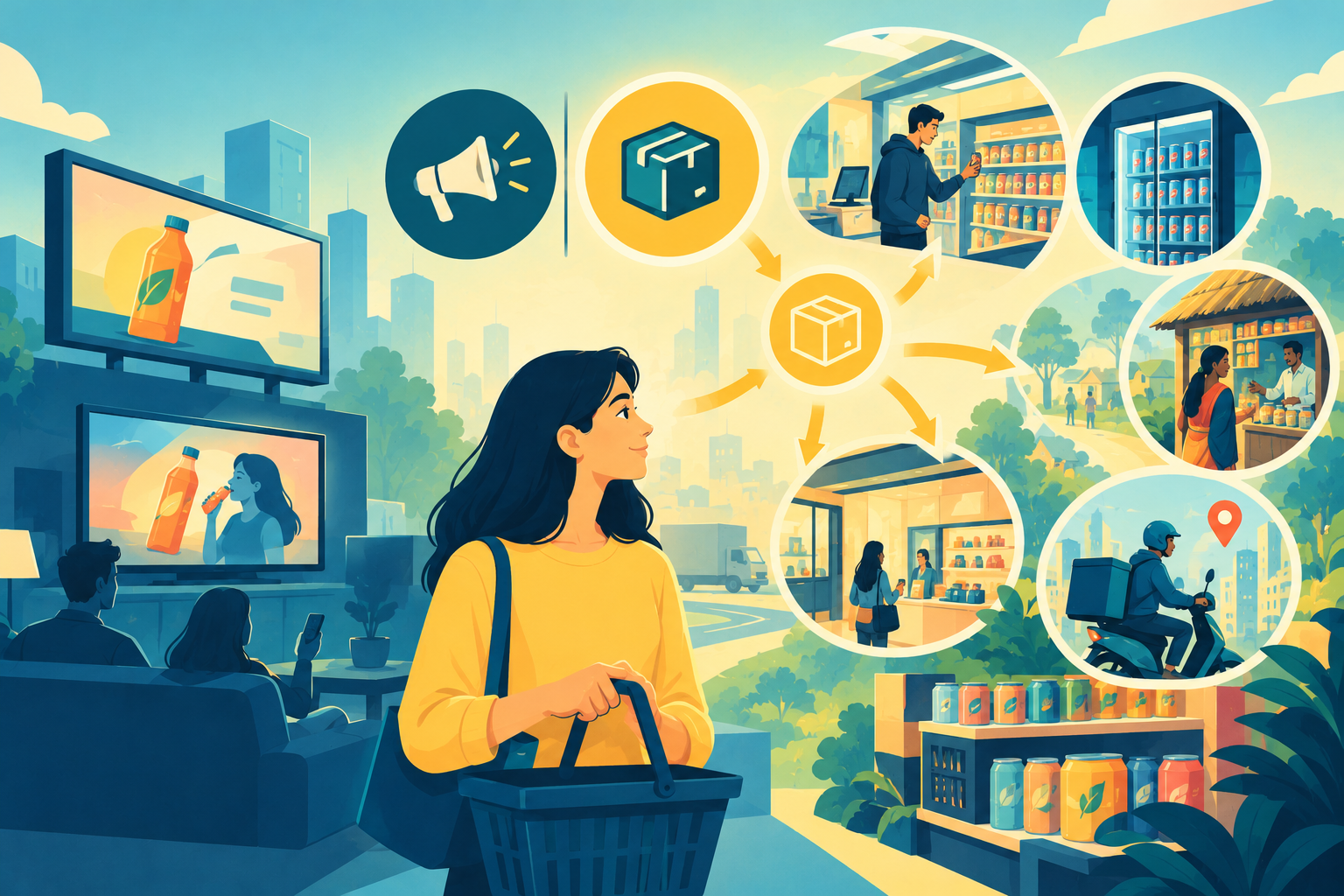
Brands like Nespresso and delivery apps use direct distribution to bypass retailers and ads.Businesses often spend millions on television commercials, but viewers may forget an advertisement soon after seeing it. Making sure products are available and easy to find in stores can have a more direct effect on sales.
This is where a strong Distribution Strategy matters. By placing products where shoppers can see and access them, businesses make it easier for customers to choose and buy. A thoughtful Distribution Strategy can help companies sell more while reducing their reliance on expensive advertising.
How Brands Drive Impulse Buys with Distribution Strategy
Candy companies often place their products near the checkout, where shoppers can easily see them while waiting to pay. This Distribution Strategy encourages impulse purchases because customers can grab a sweet treat without having planned to buy one.
By putting products within easy reach, retailers can drive extra sales without relying solely on television advertising. More impulse purchases can mean additional revenue for both the store and the candy company.
Energy drink company Red Bull uses strategic placement to make its products easy to find. The company may arrange agreements with local gas stations to display its silver cans in refrigerated cases.
This Distribution Strategy helps ensure that drivers looking for a cold drink can spot Red Bull quickly. When the cans are visible and chilled, customers may be more likely to choose them, supporting sales for both the brand and the retailer.
Large retailers are often concentrated in cities, while millions of people live in rural villages. Hindustan Unilever reaches these customers by working with local distributors who deliver soap to small village shops.
This rural Distribution Strategy helps the company serve communities that may not be reached effectively through city-focused advertising or large retail chains. By making its products available locally, Hindustan Unilever can reach new customers and generate sales across a wider area.
NielsenIQ research suggests that product availability accounts for a substantial share of sales growth for packaged consumer goods. This highlights the importance of a strong Distribution Strategy: products need to be easy to find and buy.
Harvard Business Review research also indicates that many television campaigns do not generate a positive return. Improving product placement and availability may offer a more direct path to sales. If an item is missing from the shelf, shoppers may choose a competitor instead, so retailers need to keep popular products in stock.
Coffee companies often pay retailers high fees to secure shelf space. Nespresso takes a different approach by opening its own boutiques, giving the brand a direct way to reach customers.
Shoppers can visit a boutique, sample a coffee, and buy the company’s pods there. This Distribution Strategy gives Nespresso greater control over the shopping experience and customer relationship, while reducing its reliance on supermarkets.
Technology companies make it easier for restaurants to reach customers through delivery apps. As we discussed in our previous article about Uber Eats, a hungry customer can place an order on their phone and have a driver bring the food directly to them.
This fast Distribution Strategy connects restaurant kitchens with customers who may be too far away to visit in person. Convenient delivery can help restaurants reach more diners and generate sales without relying only on billboard advertising.
Also read: Can Vertical Integration Give Brands Greater Control Over Customer Value?
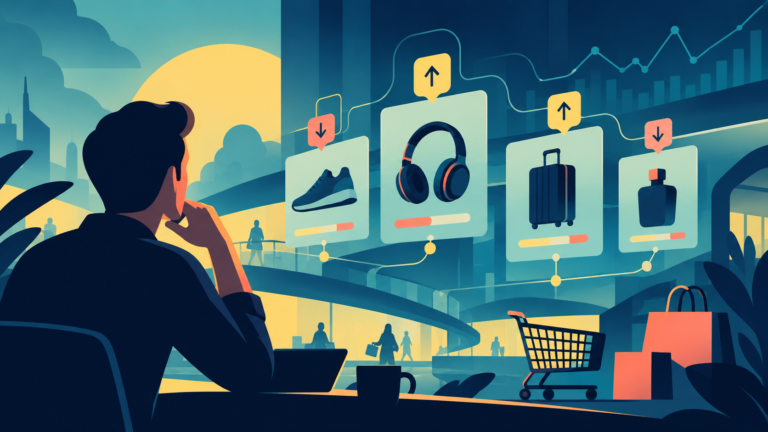
Strengthening a Distribution Strategy also means keeping online and in-store inventory information up to date. Instead of letting customers travel to a store only to find an item out of stock, businesses can show live availability on their websites and apps. Accurate inventory updates make shopping more convenient, build trust, and help customers find the nearest store with the product they want.
Loved this article? Read more insightful articles on Brand Custodian.
–Written by Rajnish Kumar, a copywriter and strategist with a background in fast-paced journalism, who explores the gap between what brands promise and how consumers actually behave.