Explore how Vertical Integration helps brands control costs, improve quality, strengthen customer relationships and deliver greater value.
Looking for a Shorter Overview?
AI Summary
Key Moments
Vertical Integration Enables Customer Value Control
Companies gain influence over quality, pricing, distribution, and customer experience by owning more supply chain stages.IKEA Demonstrates Coordinated Value Chain
The flat-pack furniture brand shows how managing multiple value chain elements reinforces affordability promises.Selective Integration Strategy Over Ownership
Smart brands identify where control directly improves customer value rather than owning all supply chain stages.Financial Benefits Pass Through to Customers
Reduced intermediary costs can lower prices, fund improvements, or maintain margins while enhancing customer offerings.A brand’s relationship with its customers does not begin and end with the product they buy. It also depends on how that product is made, how consistently it is delivered, what it costs, and what kind of experience customers have along the way. When several businesses are involved in this process, maintaining control over every interaction can become difficult. This is where Vertical Integration becomes a strategic consideration. By taking greater ownership of different stages of the supply chain, brands can influence product quality, pricing, distribution, and the overall customer experience. The real question, however, is whether controlling more of the business automatically creates greater value for customers.
How Vertical Integration Can Strengthen Customer Value
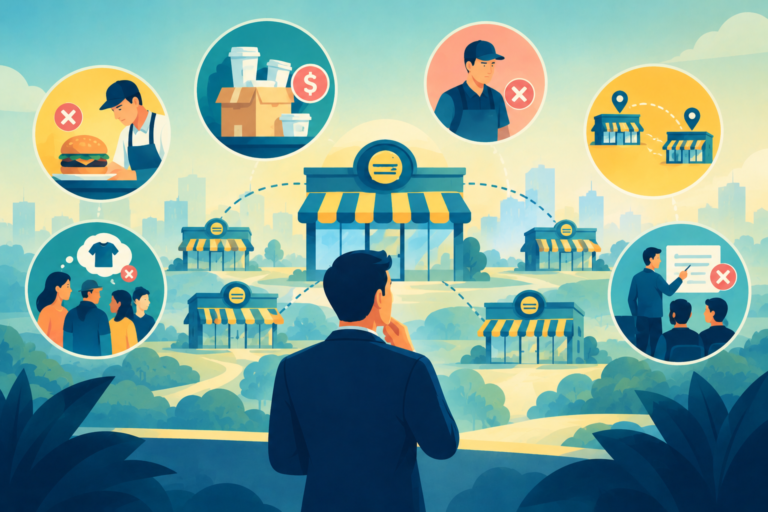
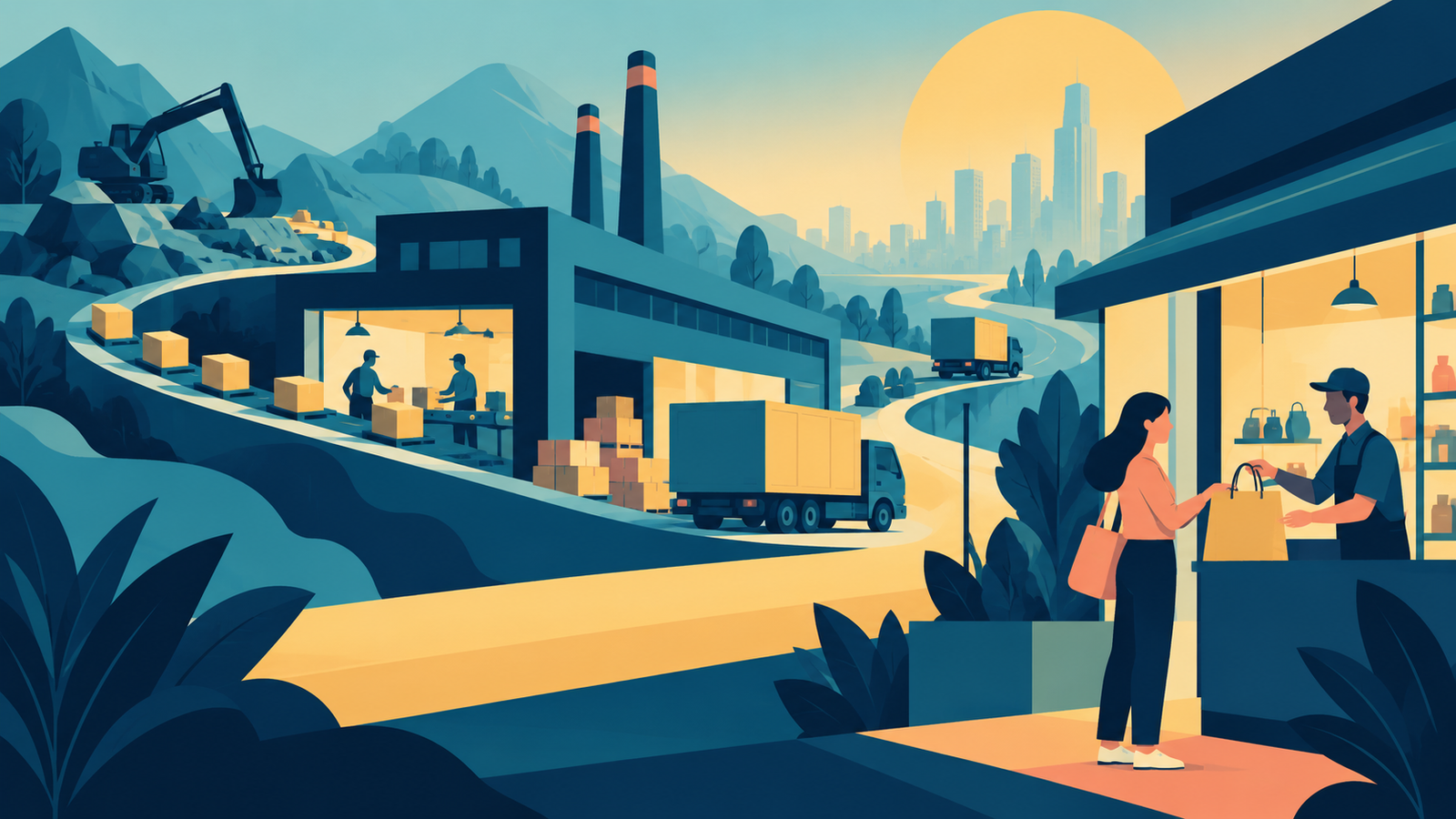
Vertical Integration is a business strategy in which a company takes ownership of, or greater control over, different stages of its value chain. This could mean managing the sourcing of raw materials, manufacturing products, operating distribution networks or selling directly to customers. Backward integration involves moving towards suppliers, while forward integration brings a business closer to distribution and retail. Instead of depending entirely on external partners, a company gains greater influence over how its products reach the market.
For brands, this control can make a meaningful difference. Consider a company that relies on multiple suppliers and distributors. Delays at one stage can affect production, while inconsistent quality or rising supplier costs can influence the final product. By bringing critical operations in-house, the company may be able to improve coordination, monitor quality more closely, and respond faster to changing demand. These improvements can eventually benefit customers through more reliable products, better availability and a more consistent experience.
IKEA offers an interesting example of how control over different parts of a business model can support customer value. Its approach combines product design, flat-pack furniture, customer self-service and a retail experience built around helping customers transport and assemble many purchases themselves. These elements work together to support its affordability proposition. However, IKEA’s model should not be confused with complete vertical integration. Its relevance lies in demonstrating how coordinating multiple parts of the value chain can reinforce the value a brand promises.
Direct-to-consumer brands provide another useful illustration. When a company sells through its own website or stores, it has greater control over how products are presented, how prices are communicated, and how customers receive support. It can also gather first-hand information about customer preferences rather than relying exclusively on retailers for feedback. This can help the brand improve its offerings and build stronger customer relationships. Nevertheless, owning a sales channel does not guarantee better service or lower prices; those outcomes depend on how effectively the channel is managed.
There is also a financial argument for Vertical Integration. By reducing reliance on intermediaries, companies may lower certain transaction, distribution, or procurement costs. They can then choose to pass some of those savings on to customers, invest in product improvements or protect margins when costs rise. Greater operational control can also help brands respond to supply disruptions and changing market conditions. For customers, the benefits may appear as more dependable availability, consistent quality or pricing that feels fair relative to the value received.
Also read: How Does De Beers Use Origin Marketing to Make Diamonds Desirable Again?
But integration comes with trade-offs. Acquiring suppliers, building manufacturing facilities or establishing distribution networks requires capital, management attention and operational expertise. A company that previously depended on specialists must now manage additional functions, each with its own costs and challenges. If the investment increases prices, slows decision-making or distracts the business from what it does best, customers may see little improvement. In some cases, a capable external partner may deliver better results than an in-house operation.
The smarter approach is therefore selective integration. Brands should identify the stages of the value chain where greater control can directly improve the customer proposition, whether through quality, availability, speed, service, or cost. Other activities can remain with external partners when those partners offer stronger capabilities or better economics. The decision should be guided by customer needs and business priorities, rather than the assumption that owning more automatically means performing better.
Ultimately, Vertical Integration is not valuable simply because it gives a company greater control over its operations. It matters when that control translates into something customers can recognise and appreciate. A brand may own more of its supply chain, but its competitive advantage comes from using that ownership to deliver on its promise more consistently. The objective is not to control every stage of the journey. It is to control the stages that make the greatest difference to the value customers receive.
– Written by Saad Rashid, an experienced journalist with extensive experience across both print and digital media. He has worked with various publications in India and internationally and has reached millions of readers through his thought-provoking articles.
Enjoyed this article? Read more here.