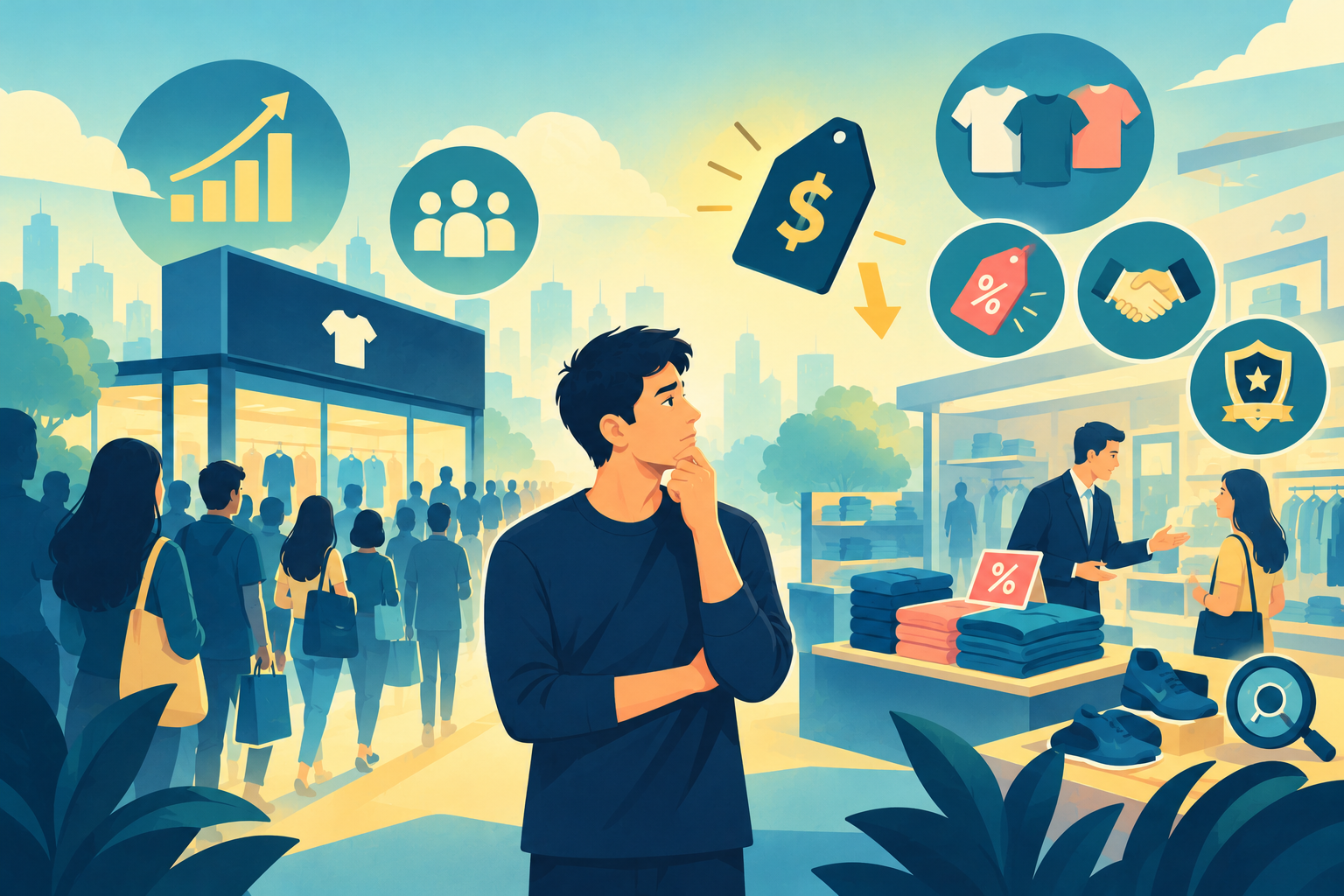
Weak product differentiation is dangerous. See how mastering pricing power turns ordinary sales into an unstoppable success.
Looking for a Shorter Overview?
AI Summary
Key Moments
Distinctive features unlock premium pricing
Kantar shows shoppers will pay 14% more for clearly differentiated products, otherwise price power fades.Discounts hurt profitability
McKinsey finds a 1% price cut can slash operating profit by 8%, making frequent deals costly.Adopt tiered pricing structures
Shifting from a single flat price to basic, professional, and enterprise tiers lets premium customers pay more while keeping entry price affordable.Product quality backs price claims
Dependable performance convinces customers the price reflects true value, supporting higher prices.Retailers sell thousands of products, but some brands can raise their prices without losing customers. Investor Warren Buffett describes this ability as Pricing Power. It helps companies protect their revenue and profitability, but strong demand alone does not guarantee it. Understanding why companies lose Pricing Power can help retail managers protect their margins and maintain steady sales.
How Brands Fail When They Miss Pricing Power Differentiation
Many manufacturers make products that look almost identical. For example, one factory may produce a basic white cotton shirt that is indistinguishable from a competitor’s version. In that situation, customers have little reason to pay more for one over the other.
Kantar research suggests that shoppers are willing to pay 14% more for products with distinctive features. When a product lacks clear differences, a company can lose its Pricing Power, and buyers may choose the cheaper alternative instead.
Retail managers may use discount coupons to encourage quick sales, but offering them every week can teach customers to wait for the next deal. Over time, this can weaken a company’s Pricing Power.
McKinsey research suggests that a 1% price reduction can lower operating profits by 8%. Frequent discounts may therefore cause significant financial losses and make shoppers less willing to pay the regular price. Although the store may continue making sales, it earns less from each purchase.
Corporate software buyers may ask for a lower price during negotiations. If a salesperson immediately agrees to a discount, the company can weaken its Pricing Power.
PricePoint Partners’ research suggests that businesses often lose revenue during the sales process by discounting too quickly. Instead of lowering the price right away, salespeople should clearly explain the software’s benefits and value. When customers understand what they are paying for, the company is more likely to secure a stronger price.
Maintaining Pricing Power often means moving from a single flat price to a tiered model that serves different types of customers. Instead of charging one price for an entire product range, businesses can offer basic, professional, and enterprise options, with advanced features available at higher tiers.
This approach lets premium customers pay more for added value while keeping entry-level products affordable. By catering to different budgets without relying on blanket discounts, companies can protect their margins and appeal to a wider range of shoppers.
Businesses must deliver reliable products if they want to charge premium prices. If a farmer’s rubber boots split during a rainstorm, the farmer is unlikely to accept a price increase later. The poor experience can undermine the company’s Pricing Power.
Customers expect a product’s quality to justify its price. Factory managers should test footwear carefully and make sure it performs as promised. When a product is dependable, customers may be more willing to pay a premium, supporting stronger and more consistent revenue.
Manufacturers that sell through large retailers may have limited control over the final price. For example, a supermarket can pressure a toy maker to accept lower wholesale prices, weakening the manufacturer’s Pricing Power.
As we discussed in our previous article about direct fashion brands, manufacturers can build their own online stores to sell directly to customers. This gives them greater control over pricing and customer relationships, while allowing them to retain more of the profit margin.
Business owners need to understand how customers perceive value. A coffee shop owner may believe that raising the price of black coffee reflects its superior quality, but if customers consider it average, they may choose a cheaper café instead. This can weaken the shop’s Pricing Power.
Also read: Can a Business Model Become a Brand’s Strongest Competitive Advantage?
A product’s price should match the value customers believe they are receiving. When the price feels fair for the quality and experience, customers are more likely to return, helping the business maintain steady sales.
Loved this article? Read more insightful articles on Brand Custodian.
–Written by Rajnish Kumar, a copywriter and strategist with a background in fast-paced journalism, who explores the gap between what brands promise and how consumers actually behave.