Ignoring digital channels is dangerous. See how mastering Snitch turns ordinary manufacturing into an unstoppable success.
Looking for a Shorter Overview?
AI Summary
Key Moments
Wholesale to D2C Transition
Siddharth Dungarwal shifted from ₹50 crore wholesale operations to building Snitch as a direct-to-consumer brandRapid Manufacturing Model
Leveraged existing factory expertise to deliver new shirt designs to customers in just 25 daysDigital Revenue Growth
Generated ₹243 crore in 2024 revenue through website sales and reached 500,000 app downloadsMajor Funding Round
Secured ₹110 crore investment from SWC Global and IvyCap Ventures to support expansion plansMenswear manufacturers often produce thousands of shirts and sell them in bulk to retail stores, a model known as wholesale. Siddharth Dungarwal initially built his clothing business around this approach, supplying garments to other retailers.
Snitch later moved away from wholesale and began selling directly to customers. This shift changed how the brand reached shoppers and managed its sales. Snitch’s transition offers useful lessons for business owners considering a direct-to-consumer model.
How Brands Leverage Manufacturing Skills at Snitch
Before launching Snitch, Siddharth Dungarwal ran a wholesale clothing business that generated ₹50 crore in annual revenue by supplying shirts to retail stores. This experience gave him a strong understanding of garment manufacturing.
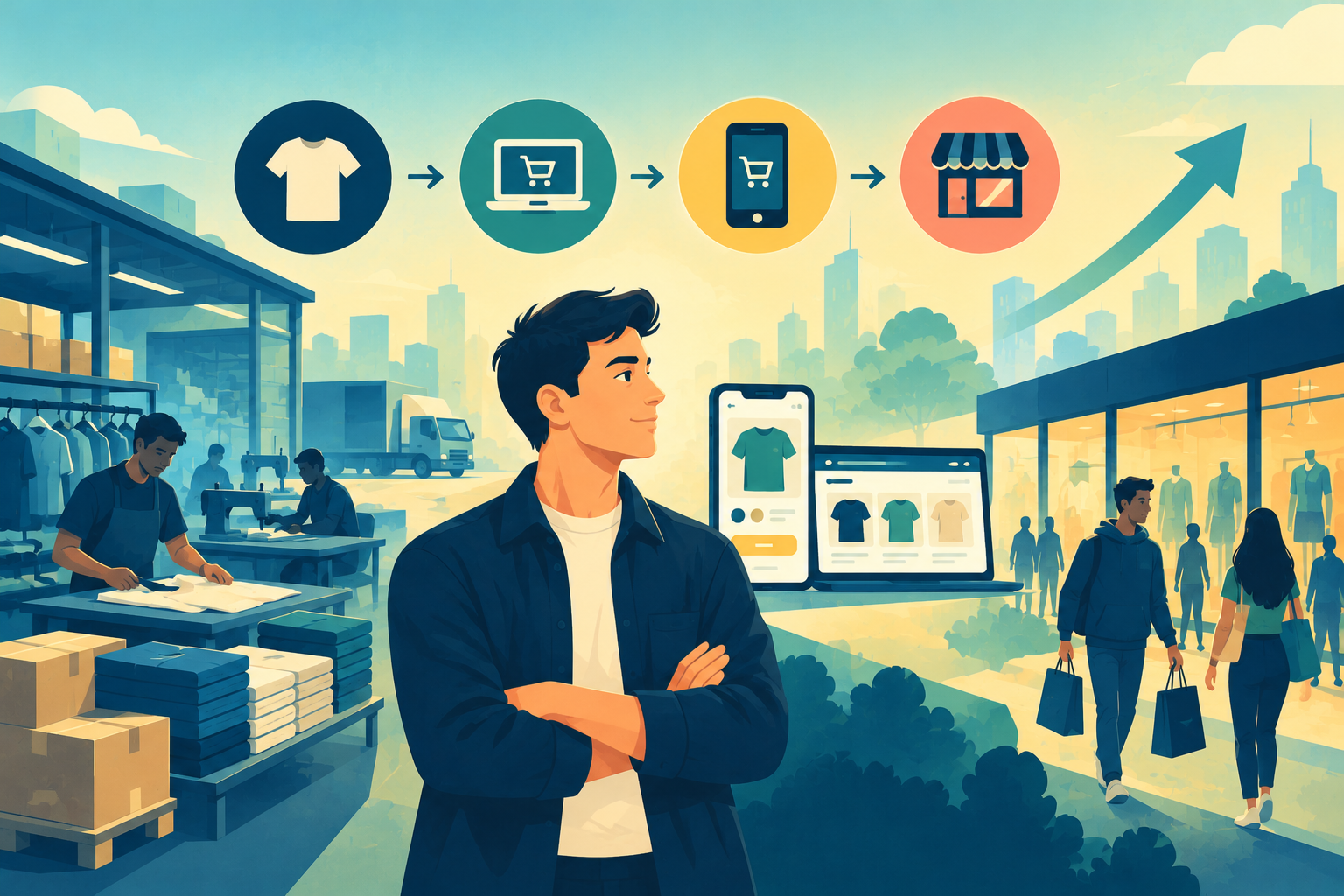
When he launched Snitch as a direct-to-consumer brand, the factory workers already knew how to cut and sew shirts. The company could build on its existing expertise to produce quality clothing and avoid many of the costs and mistakes that can come with starting manufacturing from scratch.
Direct-to-consumer brands need to bring products to customers quickly. Traditional retailers may wait months for new clothing styles, but it manages its own production process. Its teams can design and make new shirts, then deliver them to customers in about 25 days.
This faster turnaround helps Snitch respond to young shoppers who are looking for fresh styles more often. By bringing new designs to market quickly, the company can keep its clothing range current and attract more customers.
Digital platforms allow brands to sell directly to customers. In 2020, it moved away from wholesale and launched its own website, removing the need to rely solely on physical retail stores. Shoppers could browse and buy the clothing online, while the brand handled the direct customer relationship.
According to Tracxn, Snitch generated ₹243 crore in revenue in 2024. Selling directly through its website gives the company greater control over its sales channel and customer experience.
Snitch encourages repeat purchases through its own mobile app. Customers can download the app to browse new styles and receive updates about the brand’s latest clothing.
Snitch reportedly reached 500,000 app downloads before receiving external investment. By giving customers a direct way to discover and buy new products, the app helps the company strengthen customer relationships and generate repeat sales.
Growing companies often need significant funding to expand. In late 2023, investment firms SWC Global and IvyCap Ventures reportedly invested ₹110 crore in Snitch. The company planned to use the funding to support its growth, including opening new physical stores.
Snitch had also appeared on Shark Tank India, where investors took interest in its fast manufacturing model. The television exposure helped introduce the brand to a wider audience and encouraged more customers to explore its app and products.
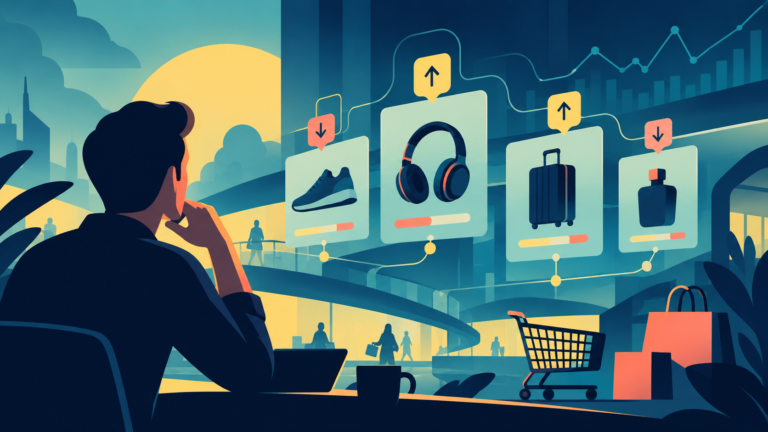
To grow into a leading fashion brand, Snitch can use real-time sales data and trend-prediction tools to guide production. Rather than guessing months ahead which colors and fits customers will want, direct-to-consumer brands can track website clicks, wishlists, and abandoned carts to spot rising demand.
Using these insights to plan production can help reduce unsold inventory and warehouse waste, while ensuring that new collections better match what shoppers want now.
Successful digital-first brands often expand into physical retail so customers can see and touch products before buying. Snitch is opening stores across India, where shoppers can browse shirts, feel the fabric, and examine the stitching in person.
As we discussed in our previous article about Experiential Marketing, hands-on experiences can help customers feel more confident about their purchases. By combining its website with physical stores, Snitch can serve both online shoppers and customers who prefer to shop in person.
Loved this article? Read more insightful articles on Brand Custodian.
–Written by Rajnish Kumar, a copywriter and strategist with a background in fast-paced journalism, who explores the gap between what brands promise and how consumers actually behave.