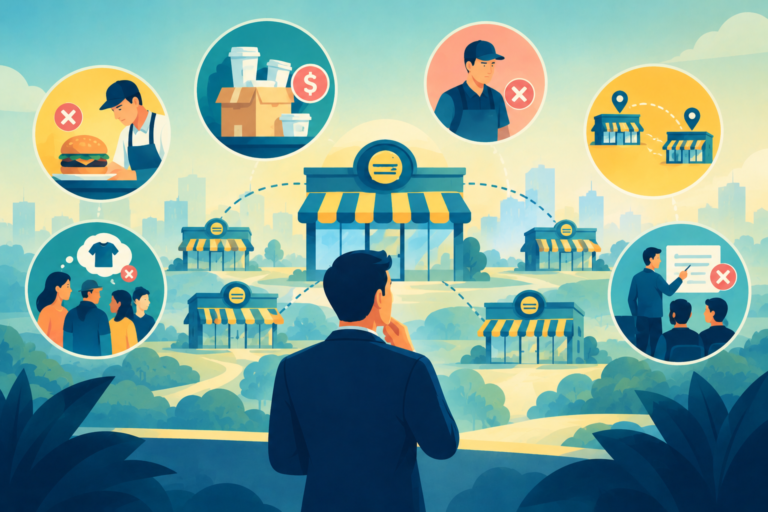
Understand how the Sunk Cost Fallacy influences consumer behaviour, fuels brand loyalty and keeps people invested in choices that no longer serve them.
Looking for a Shorter Overview?
AI Summary
Key Moments
Understanding Sunk Cost Bias
The article defines the sunk cost fallacy as letting past investments dictate future choices even when they can't be recovered.Everyday Consumer Traps
It illustrates how gym memberships, brand loyalty, and subscriptions trap people into paying for low‑value products.Cost of Staying Loyal
Continuing commitments due to prior spending leads to unnecessary expenses and missed better alternatives.Break‑Free Decision Test
The article offers simple questions to help consumers evaluate whether to keep or abandon a costly commitment.Have you ever continued using a product you no longer liked simply because you had spent too much money on it? Perhaps you kept paying for a subscription you rarely used, stayed loyal to a brand that no longer met your expectations, or completed a course you had lost interest in because you had already invested months in it. These decisions may seem reasonable at first, but they often reflect the Sunk Cost Fallacy, a psychological bias that influences how people make choices.
The Sunk Cost Fallacy occurs when people allow past investments of money, time or effort to influence decisions about the future, even when those investments cannot be recovered. Instead of evaluating whether a choice still makes sense, they focus on what they have already put into it. For consumers, this can lead to unnecessary spending, prolonged dissatisfaction and missed opportunities to find better alternatives. Understanding this behaviour helps explain why walking away from the wrong choice can sometimes be more difficult than making the right one in the first place.
How the Sunk Cost Fallacy Influences Consumer Behaviour
The Sunk Cost Fallacy is rooted in the human tendency to avoid feeling that an investment has been wasted. People naturally want their decisions to lead to positive outcomes, and admitting that a purchase or commitment was a mistake can be uncomfortable. Continuing with the original choice offers a sense of justification, even when the chances of a better outcome have diminished.
Consider someone who purchases an expensive annual gym membership but stops enjoying their workouts after a few weeks. Rather than accepting the loss and exploring a more suitable fitness routine, they may continue visiting occasionally simply because they have already paid. The original payment cannot be recovered, regardless of whether they use the membership. Yet the desire to get their money’s worth can influence their behaviour long after the purchase has stopped delivering meaningful value.
This pattern also appears in brand loyalty. A consumer who has spent years buying products from the same company may continue doing so even when competitors offer better quality, improved features or more suitable prices. Past purchases, familiarity and emotional attachment can make switching feel like an admission that earlier decisions were wrong. However, loyalty is not automatically a sunk cost fallacy. Staying with a brand because it consistently delivers value is a rational choice. The bias emerges when past investments become the main reason for remaining loyal despite better alternatives.
Subscriptions and digital services provide another everyday example. Consumers may keep paying for streaming platforms, premium applications or online learning programmes they rarely use because cancelling feels like wasting the money already spent. Similarly, someone who has invested months in a course may finish it despite discovering that it no longer supports their goals. In both situations, the decision becomes less about future benefits and more about justifying past expenditure.
For marketers, this behaviour offers an important insight into how consumers develop and maintain relationships with brands. Loyalty programmes, membership benefits and long-term commitments can encourage repeat purchases by increasing the perceived value of staying. However, these mechanisms do not necessarily exploit the sunk cost fallacy in every instance. Customers may continue because the rewards genuinely benefit them. The distinction lies in whether the ongoing relationship creates real value or merely makes leaving feel costly.
Also read: Why Does Brand Governance Matter When Every Team Makes Its Own Decisions?
Recognising the bias requires a shift in perspective. Rather than asking how much has already been spent, consumers should consider what they stand to gain or lose from this point forward. Would they buy the same product today at its current price? Would they choose the same subscription if they were signing up for the first time? Would continuing with a course or service provide enough value to justify the additional time and money?
These questions help separate past expenditure from future decisions. They also encourage consumers to evaluate alternatives objectively instead of allowing disappointment, guilt, or the desire to justify earlier choices to dictate their behaviour.
Ultimately, the Sunk Cost Fallacy reminds us that not every investment deserves continued commitment. Money already spent cannot be recovered simply by spending more, and time already invested does not guarantee that staying the course is worthwhile. Consumers make better decisions when they judge choices by their future value rather than their past cost. Sometimes, the smartest decision is not to get more out of what has already been invested, but to recognise when it is time to move on.
– Written by Saad Rashid, an experienced journalist with extensive experience across both print and digital media. He has worked with various publications in India and internationally and has reached millions of readers through his thought-provoking articles.
Enjoyed this article? Read more here.