Discover how Consumer Anxiety shapes buying decisions and why trust, clarity and reassurance matter more than urgency in marketing.
Looking for a Shorter Overview?
AI Summary
Key Moments
Anxiety Drives Need for Reassurance
Uncertain consumers prioritize clear information, familiar products, and transparent pricing to reduce decision stress.Urgency Marketing Backfires
Traditional fear‑of‑missing‑out tactics increase pressure and can deter anxious shoppers.Calm, Transparent Messaging Wins
Brands that communicate straightforwardly and show support lower uncertainty and build trust.Long‑Term Trust Over Short‑Term Clicks
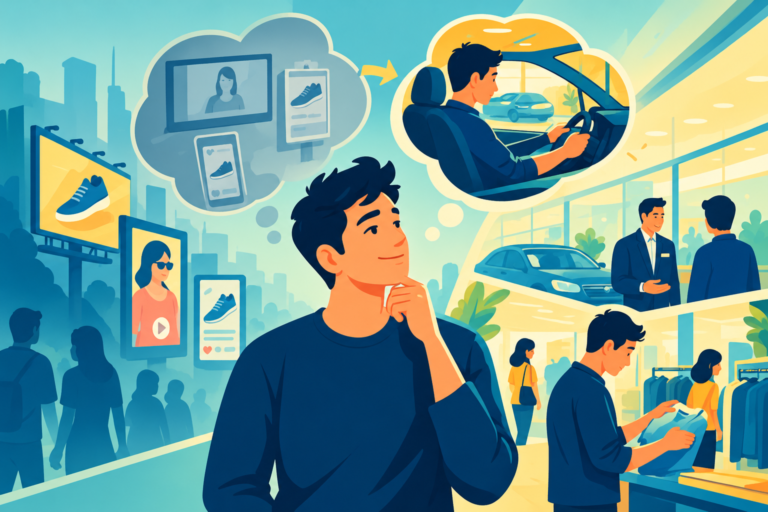
Marketing must make decisions feel manageable and trustworthy, not just desirable.Marketing has always tried to understand what makes people buy. But sometimes, the bigger question is what makes people hesitate. Consumer Anxiety can change how people evaluate risk, process information and make purchasing decisions. When uncertainty is high, consumers may become more cautious, look for reassurance, prefer familiar choices or simply avoid making a decision altogether.
That matters because the traditional rules of marketing often rely on urgency, excitement, and the fear of missing out. Yet when consumers are already feeling overwhelmed, adding more pressure may not create the desired response. Research on consumer anxiety suggests that it can influence everything from purchase intentions to brand relationships, making the emotional context around a purchase increasingly important for marketers.
Consumer Anxiety Changes What Consumers Look For
Anxiety is closely connected to uncertainty. In a consumption context, that uncertainty can come from many places: financial concerns, unfamiliar technology, health risks, social judgement or simply not knowing whether a purchase will turn out as expected. A recent scoping review of 60 studies found that consumer anxiety has been studied across a wide range of consumption situations and can influence behavioural, cognitive and emotional responses.
This changes what consumers may value from a brand. Instead of looking only for novelty or excitement, an anxious consumer may place greater importance on things that reduce uncertainty. Clear information, familiar products, transparent pricing, reliable service and straightforward communication can become more meaningful because they make the decision feel easier to manage.
This is particularly relevant online. E-commerce removes many of the physical cues people traditionally use to assess a product, while adding new sources of uncertainty around payment, delivery, returns and product quality. Research into customer anxiety in electronic commerce has specifically examined how anxiety affects relationship marketing, highlighting the importance of the customer’s emotional state in digital interactions.
For marketers, this does not mean every consumer wants the same thing. Anxiety is not a single, uniform state. It can be temporary and situation-specific, or it can reflect more stable individual differences. The recent research literature also shows that anxiety can produce different outcomes depending on the context, meaning marketers should be careful about treating anxious consumers as one homogeneous group.
It also explains why some familiar marketing techniques may need to be reconsidered. FOMO, countdowns, and scarcity messages are designed to push consumers towards immediate action. But when someone is already experiencing uncertainty, additional pressure can make the purchase feel more stressful rather than more attractive. Research published in 2026 on FOMO marketing and impulse buying adds to the wider discussion around how urgency-based communication can shape online purchasing behaviour.
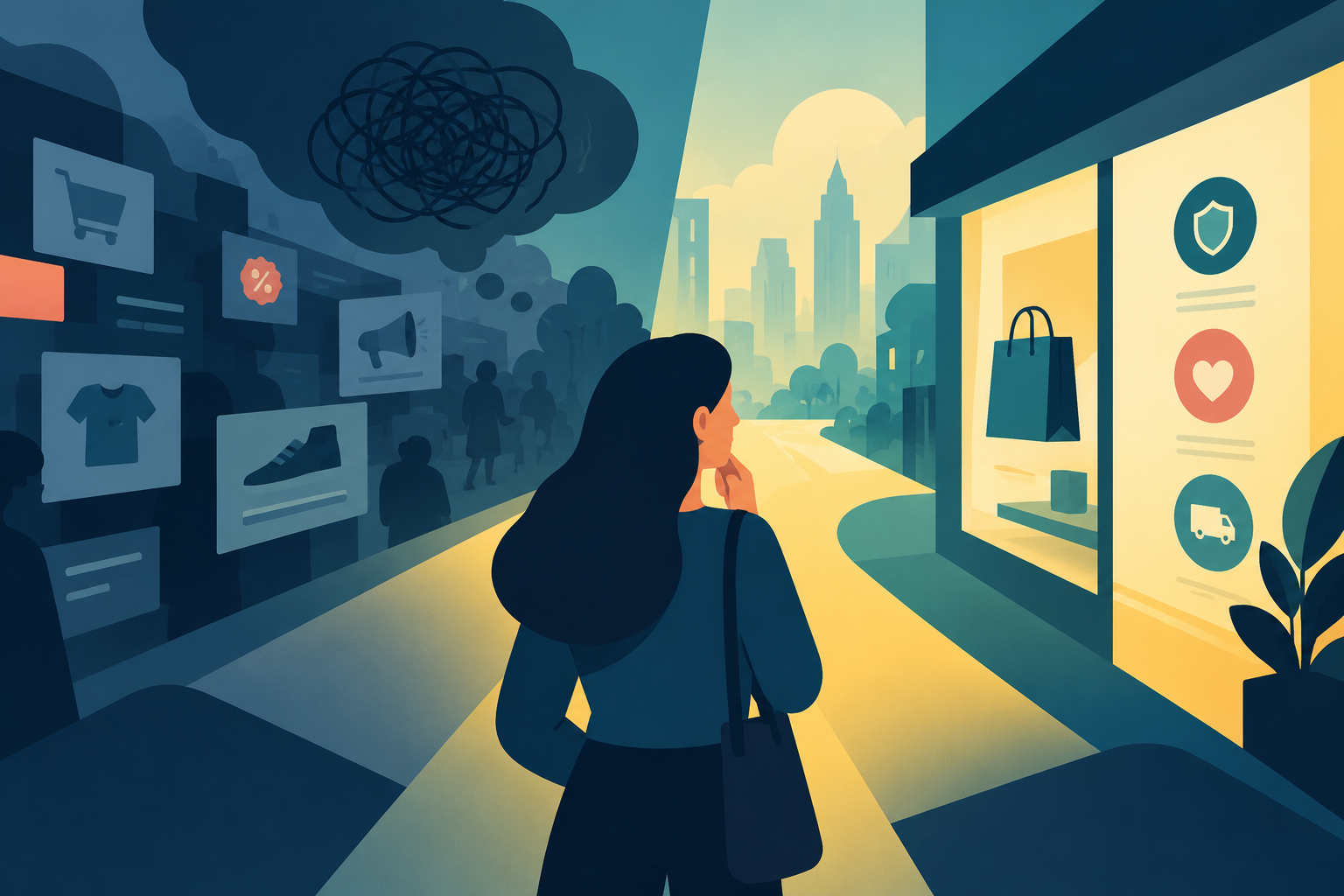
The alternative is not to remove emotion from marketing. It is to understand which emotion the brand is creating. A calm, transparent message can be persuasive without being aggressive. Showing exactly how a product works, explaining the total cost upfront, making returns easy to understand, and providing visible customer support can all reduce the uncertainty surrounding a decision.
Also read: Why Do Great Experience Memory Beat the Campaign?
This idea became particularly visible during periods of widespread uncertainty. During the COVID-19 pandemic, research and industry analysis observed consumers moving towards value, familiarity, self-sufficiency, and products or services that helped them regain a sense of control.
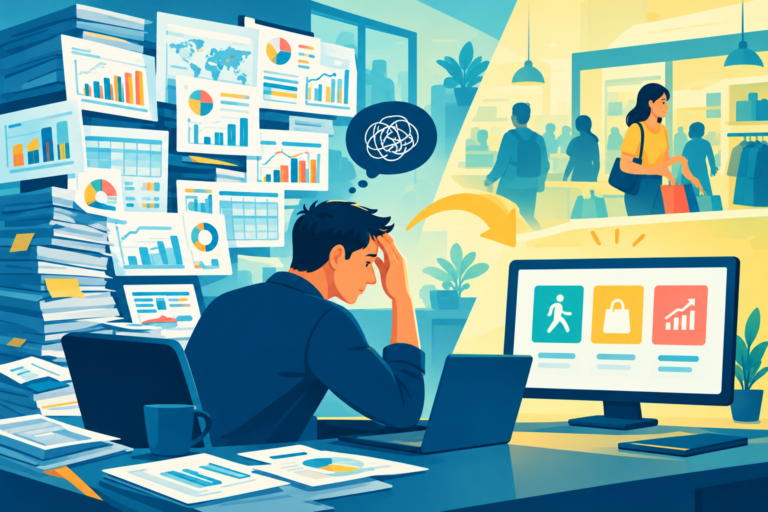
The lesson extends beyond a crisis. Consumers do not enter every purchase journey in a neutral emotional state. They bring their financial concerns, information overload, previous experiences and expectations with them. A brand that recognises this can design marketing that feels less like another demand for attention and more like useful guidance.
Ultimately, Consumer Anxiety changes marketing because it changes the meaning of risk. When consumers feel uncertain, the job of a brand is not simply to make a product desirable. It is also to make the decision feel understandable, manageable, and trustworthy. In a marketplace filled with noise, sometimes the most effective message is not the loudest one. It is the one that gives consumers a little more confidence about what happens next.
– Written by Saad Rashid, an experienced journalist with extensive experience across both print and digital media. He has worked with various publications in India and internationally and has reached millions of readers through his thought-provoking articles.
Enjoyed this article? Read more here.