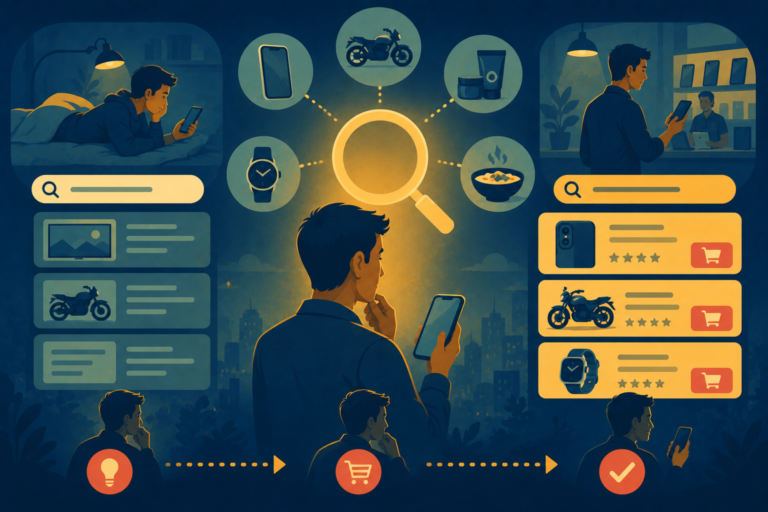
Why do buyers wait in lines? Discover how proven anticipation marketing creates an explosive demand for new products.
Looking for a Shorter Overview?
AI Summary
Key Moments
Planned Delay Creates Value
Strategic withholding of products builds desire and makes waiting feel valuable.Regular Updates Maintain Interest
Small progress updates during waiting keep buyers engaged and prevent frustration.Scarcity Triggers Urgency
Empty store shelves and limited availability make buyers eager to purchase immediately.Premium Pricing from Investment
Buyers willing to pay more because they've already invested time anticipating the product.When Apple or any other famous brand launches a product, hundreds of buyers willingly stand outside the store just to buy the new item. They wait for hours, cash in hand, long before the local shop owner even unlocks the gate. This happens because the brand used strong anticipation marketing.
The company showed buyers a small picture of the phone a few months ago but didn’t sell the item right away. When a seller makes a buyer wait, the delay itself makes the product seem much more important.
According to consumer research studies, effective anticipation marketing can actually make a buyer willing to pay a premium price at the retail counter, because the buyer has already invested time and anticipation in the product before it even launches. Instead of buying a regular phone today, the buyer saves money and waits for the launch date.
Mechanics of Anticipation Marketing in Retail
Many shoe factories make comfortable sneakers every single day. But when a global brand announces a new leather shoe, they do not put it on the shop shelf right away. They release a printed magazine photo of the shoe and announce a strict release date thirty days in the future.
This planned delay is the main rule of anticipation marketing. Consumer psychology researchers note that making buyers wait for a specific date on the calendar makes them want the item even more.
Because of this anticipation marketing, the buyer checks his mobile phone notifications to see new pictures of the shoes. As we discussed in our previous article about category familiarity, showing a normal item every day makes buyers ignore it completely. But keeping the item intentionally hidden creates a different reaction.
The empty space on the store shelf makes the buyer worry he might miss his chance to buy the product. That worry makes him ready to hand over his money the moment the shop opens.
This same strategic delay also works well in the local cinema business. A film studio spends millions of rupees printing posters for a new action movie, but it does not release the movie for months, and sometimes even years. This long wait creates massive anticipation marketing. The studio slowly releases teasers and trailers to make people even more eager to watch the movie in theatres.
By the time the cinema owner finally releases the movie, buyers rush to book tickets. Box office statistics from major film releases show that advance ticket sales often bring in huge amounts of money because of the anticipation marketing before the first show begins on day 1.
The long delay makes the movie feel like a rare live event. If the studio had simply released it on the first day without warning, the theatre seats would have stayed empty. Careful use of anticipation marketing turns a weekend into excitement to watch the movie, where many people pay cash at the same time.
A smart business owner knows that a long wait can quickly frustrate a typical buyer. If a buyer waits too long without any updates, he changes his mind and walks away. To address this physical delay, successful anticipation marketing requires giving the buyer small updates while they wait. A car company might send a physical letter or a short digital video showing car parts being assembled inside the factory.
These small daily updates keep the buyer watching his screen. He feels happy because he can see the physical progress of his expensive item. Good anticipation marketing never just tells a customer to sit and wait in silence. Instead, the brand slowly shares real, physical details over several weeks.
When the final delivery day arrives, the buyer wants to hold the machine even more. He gladly pays because the long wait made the final handover feel like a very important day.
Loved this article? Read more insightful articles on Brand Custodian.
–Written by Rajnish Singh, a copywriter and strategist with a background in fast-paced journalism, who explores the gap between what brands promise and how consumers actually behave.