Discover how Netflix uses Personalisation to transform recommendations, content discovery and the customer experience at scale, daily.
Looking for a Shorter Overview?
AI Summary
Key Moments
Dynamic Visual Personalisation
The platform selects artwork and orders rows based on viewer preferences, making visual presentation part of recommendation.Individualised Navigation
Each profile sees a distinct layout, keeping a familiar brand look while delivering personally relevant content.Reduced Decision Fatigue
Personalised suggestions cut effort, keeping viewers engaged and preventing catalog overwhelm.Embedding Personalisation in Product
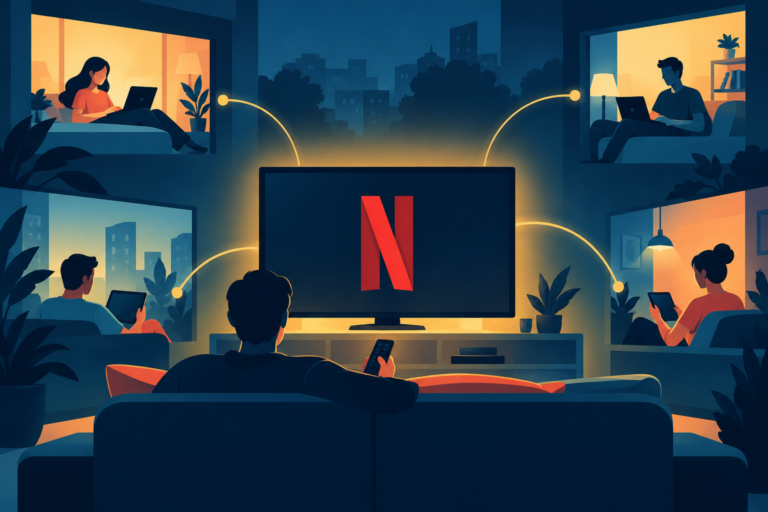
The experience itself demonstrates understanding, turning personalisation into a core competitive advantage.Think about the last time you opened Netflix. Before you searched for a title, the platform had already made a series of choices for you. The shows placed at the top, the order of the rows, the categories presented and even the artwork used to represent a title can be influenced by what Netflix knows about your viewing behaviour. This is Personalisation at a much deeper level than simply recommending a show. It has become part of how the Netflix brand is experienced.
For a streaming service with an enormous content library, this matters. More choice does not necessarily make the experience better. It can make finding something to watch harder. Netflix recognised this early and gradually built its product around helping each viewer navigate that choice. What began with recommendation technology eventually became a defining part of the customer experience — and, in turn, the brand itself.
How Personalisation Became Part of the Netflix Experience
Netflix’s approach has evolved significantly over time. Its early recommendation system, Cinematch, was built around predicting what individual members might enjoy. Over the years, the company moved beyond explicit ratings and increasingly learned from viewing behaviour and other interactions. What people watched, skipped and engaged with could provide useful signals about their preferences.
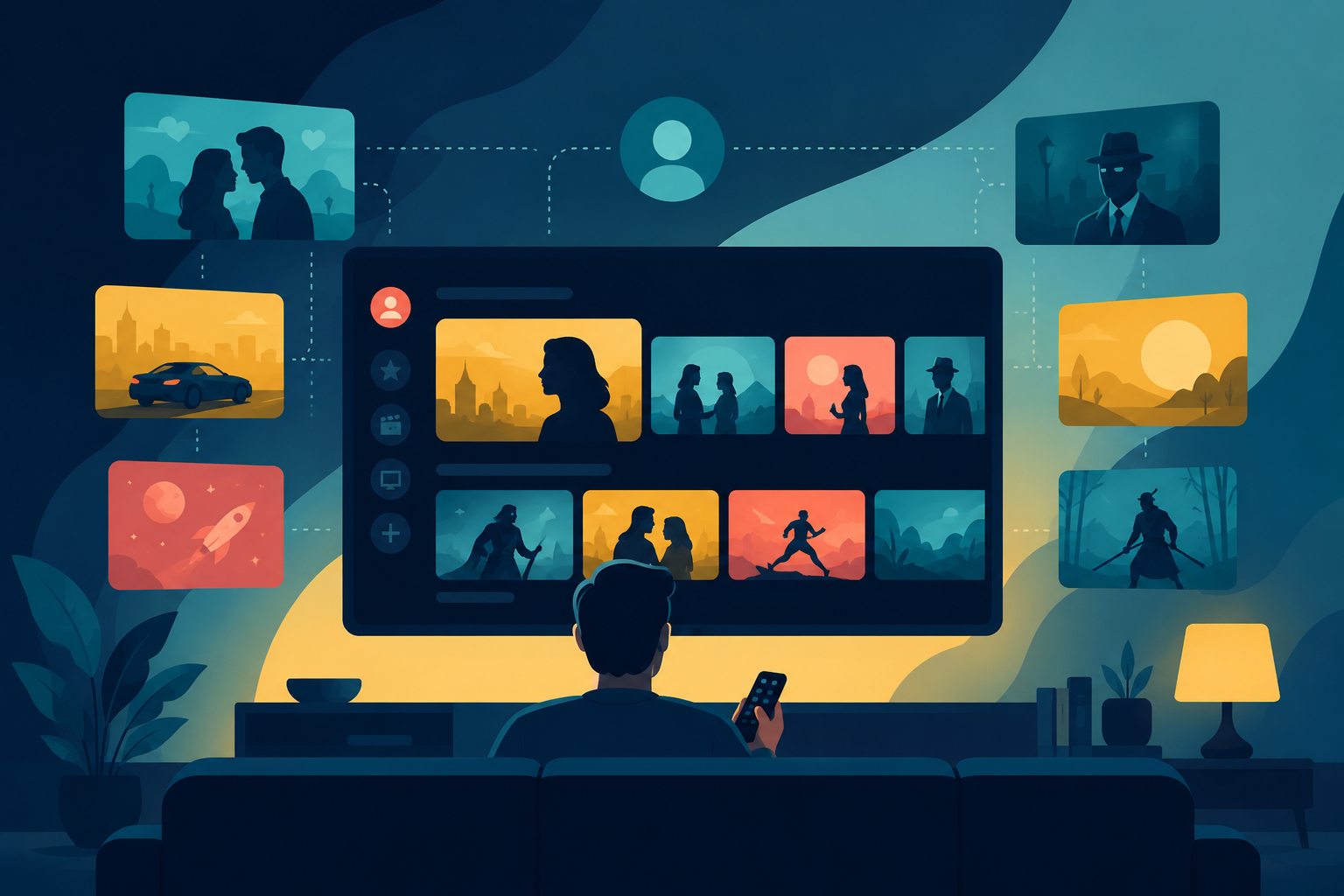
The result is an experience that can feel remarkably different from one profile to another. Netflix does not simply decide which titles to recommend; it can also determine how those titles are organised and presented. Rows and their ordering can be personalised, while the same film or series may be represented with different artwork depending on the viewer. Netflix’s own technology blog has described how artwork can be selected based on signals associated with a member’s preferences, making the visual presentation itself part of the recommendation system.
That detail is easy to overlook, but it is strategically important. Imagine two people looking at the same film. One may respond more strongly to an image featuring a particular actor, while another may be drawn to artwork that emphasises the story’s action or emotion. The underlying content has not changed. The way it is introduced to the viewer has. Personalisation therefore influences not just what people see, but how they perceive the choice in front of them.
This has changed the role of the brand experience. Traditional branding often depends on maintaining a consistent identity across audiences. Netflix maintains its recognisable brand, but allows the experience within that identity to adapt to the individual. The interface can feel familiar while the content presented through it feels personally relevant.
Also read: Victoria’s Secret: Why Brand Relevance Matters When Consumers Change
There is also a practical business reason behind this strategy. A viewer who can quickly find something relevant is less likely to feel overwhelmed by the size of the catalogue. Personalised recommendations reduce the effort involved in deciding what to watch, which makes the platform easier to use and encourages continued engagement. Netflix has built its customer journey around this principle: instead of asking viewers to navigate the entire library, it brings likely choices closer to them.
The bigger lesson for brands is that Personalisation works best when it is embedded in the experience rather than added as a campaign feature. Netflix does not need to repeatedly tell customers that it understands them. The experience demonstrates it every time they open the platform. That distinction is important. Personalisation becomes powerful when customers can feel its relevance rather than simply being told that a brand knows their preferences.
Netflix also shows why data alone is not the strategy. Data provides the signals, but the real value comes from using those signals to make the experience more useful and intuitive. Its recommendation systems, ranking, interface design and personalised artwork work together to turn a huge content library into something that feels manageable and individual.
Ultimately, Netflix changed the expectation of what a digital brand experience could be. It moved Personalisation from a marketing technique to a fundamental part of the product. The lesson is straightforward: when a brand can consistently use customer understanding to make every interaction more relevant, the experience itself can become one of its strongest competitive advantages.