Weak online profiles are dangerous See how mastering local seo turns ordinary shops into success.
Looking for a Shorter Overview?
AI Summary
Key Moments
Accurate Business Listings
Keeping address, phone number, and hours correct across all listings forms the foundation of effective Local SEO.Visual Content Impact
Adding recent photos to your profile can increase driving‑direction requests by 42%, boosting local foot traffic.Review Management
Monitoring and promptly responding to reviews builds trust and directly influences whether customers visit a local business.Voice‑Search Optimization
Providing clear, concise answers to common voice queries ensures your business stays discoverable as voice searches grow.When someone needs a nearby repair shop, they may search online for local options. Local SEO helps businesses appear in those search results by keeping their location and business information easy to find. By improving local visibility, Local SEO can help guide nearby customers to a physical store and support more in-person visits and sales.
How Brands Excel at Providing Data to Computer Robots Using Local SEO
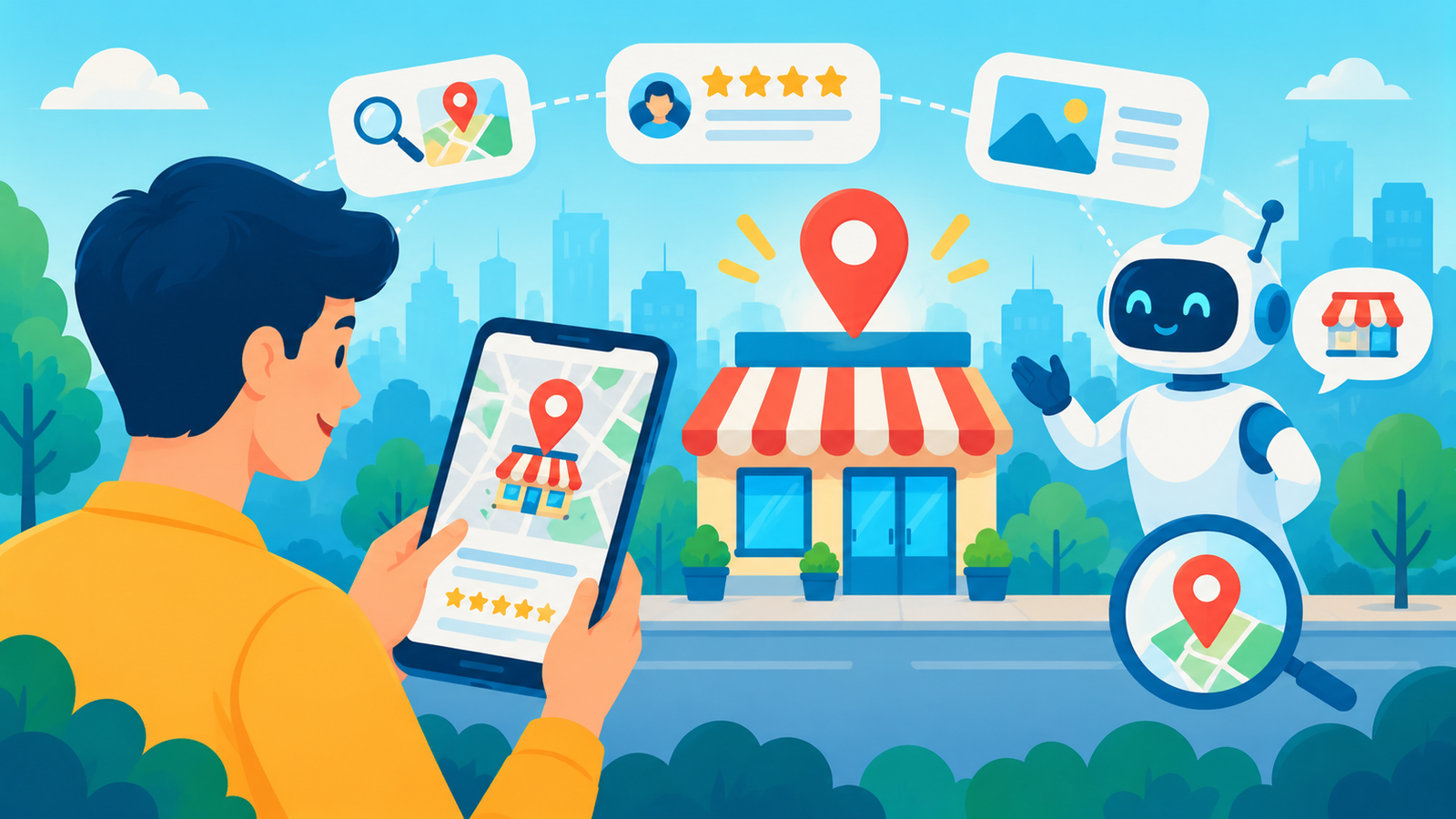
Search engines rely on accurate business information, so outdated phone numbers or store hours can make it harder for customers to find and contact a local business. Strong Local SEO starts with keeping details such as the address, phone number, and opening hours correct across online listings.
As AI tools change how people search, clear and reliable information can help both search platforms and potential customers understand where the business is and when it is open. This can support local visits and save staff time answering basic questions.
Online reviews can shape whether people visit a local business.
BrightLocal’s 2020 Local Consumer Review Survey found that 87% of U.S. consumers read online reviews for local businesses, up from 81% in 2019. In later surveys, the figure continued to rise, reaching 97% in BrightLocal’s 2026 report. This makes Local SEO more than just keeping business details accurate. It also involves monitoring reviews and responding to complaints politely and promptly.
As we discussed in our previous article about Service Recovery, a helpful response can show customers that the business takes their concerns seriously and may encourage them to visit.
Customers often look at photos before deciding whether to visit a local restaurant. If a business has no pictures online, people may have trouble knowing what the place looks like. Local SEO includes keeping a business profile complete with clear, recent photos and an up-to-date menu.
Google reports that businesses with photos receive 42% more requests for driving directions than profiles without photos. Adding fresh images can help potential customers decide whether to visit.
When someone searches online for nearby shoe stores, search engines need accurate location details to recommend relevant businesses. If a shop’s address or city information is missing, potential customers may be directed to a competitor instead. Local SEO helps businesses keep these details clear and up to date.
HubSpot reports that 46% of Google searches have local intent. Including accurate location information on business websites and profiles can help nearby customers find local shops and products.
Many people use voice search to ask questions about nearby products and services. If a business website does not answer those questions clearly, potential customers may choose another option. Local SEO can help by adding useful information that responds to common customer questions.
PwC reports that 71% of consumers prefer using voice search to typing. Businesses can make it easier for people to find them by providing clear answers, accurate local details, and well-organised product information online.
A local business that keeps its online details current can be easier for nearby customers to find than a competitor with outdated information. Regular updates to hours, contact details, and services can support effective Local SEO and help bring more visitors to a store. Google reports that consumers are more likely to visit businesses with complete, up-to-date online profiles. Maintaining accurate information can help local shops attract customers and protect sales.
Strong Local SEO involves more than listing a business in online directories. Companies should keep their contact details, location, and services accurate, and use structured data such as JSON-LD to help search engines understand the information. Adding precise location details and clear business data can make it easier for search and mapping services to identify and display a store correctly.
Loved this article? Read more insightful articles on Brand Custodian.
–Written by Rajnish Kumar, a copywriter and strategist with a background in fast-paced journalism, who explores the gap between what brands promise and how consumers actually behave.