How Experiential Marketing and influencer strategies are helping brands move beyond awareness and turn attention into intent.
Looking for a Shorter Overview?
AI Summary
Key Moments
Live Events Drive Focused Attention
Brands invest in on‑ground events because they command undivided attention amid ad fatigue.Consumer Preference Shift to Experiences
78% of Indian consumers now favor spending on experiences over products.Measurable Impact of On‑Ground Activation
59% recall brands and 55% show higher purchase intent after live interactions.Synergy Between Experiential and Influencer Marketing
Experiential moments are amplified by influencers, turning physical activations into viral online stories.The way brands measure marketing success is changing. For years, reach was the dominant currency: how many people saw the campaign, how many impressions it generated. That metric hasn’t disappeared, but it’s no longer the whole story. The question brands are increasingly asking is whether a campaign actually moved someone closer to a decision. Did it create a moment worth remembering, rather than just a message worth scrolling past?
Influencer marketing has been central to this conversation for the better part of a decade, and rightly so. It gave brands access to audiences through voices they already followed and trusted. The creator economy continues to grow, and the channel remains one of the most effective ways to build awareness and relevance at scale. But as the ecosystem matures, brands are asking more of their marketing investments. Awareness is no longer the finish line. Consideration and intent are becoming equally important.
The Shift Happening on the Ground
India’s live events market is valued at approximately Rs 13,000 crore, and brands are investing in it with far greater intent than before. This isn’t event sponsorship in the traditional sense. It’s brands recognising that live, physical environments offer something the feed cannot: undivided attention. As attention fragments across screens and ad fatigue deepens, the on-ground experience has become one of the few places where a brand can earn genuine focus rather than compete for a borrowed moment.
78% of Indian consumers prefer spending on experiences over products, while 88% of brands that have increased their experiential marketing spend plan to continue investing in it. That points to a broader change in how brands are looking at experiential marketing. It’s no longer being treated simply as an extension of an event or campaign, but as part of the larger marketing mix.
The impact is measurable too. Around 59% of live event attendees recall the brands they engage with on-ground, while 55% report higher purchase intent after those interactions. For brands, that makes the physical experience more than a visibility exercise. It can help move consumers from noticing a brand to considering it.
Where the Two Channels Converge
The most interesting development isn’t that experiential marketing is growing. It’s how it’s growing alongside influencer marketing rather than in competition with it.
A well-designed on-ground experience doesn’t end when the event does. It generates content that feels authentic, unscripted, and driven by genuine enthusiasm that travels online through creators, attendees and communities who were actually there. Thums Up’s recent “Sehri Ki Jaan: Biryani aur Toofan” campaign is a good example of this. The brand took its Toofani Biryani concept into the streets of Meerut, Lucknow and Hyderabad through a moving biryani truck, creating an experience around Ramadan’s food culture. The activation also featured an AR-enabled experience that allowed visitors to capture and access their moments digitally, while the wider campaign followed a social-first, influencer-led approach.
Also read: Approved by Everyone. Remembered by No One.
What makes an approach like this work is that the content isn’t the starting point. The experience is. The brief is no longer just about making an ad. It’s about creating a moment worth participating in, giving creators and audiences something they can genuinely respond to and share. Influencers can then help extend that conversation, taking a physical interaction and giving it a longer life online.
This is especially true on campuses and in Tier 2 and Tier 3 cities, where young audiences are looking to participate and engage with brands in spaces that already matter to them. When a brand shows up at a campus festival, a cultural event or a music experience, it becomes part of something people have chosen to be part of, rather than just another message competing for their attention online.
The Real Opportunity
The brands getting this right aren’t choosing between influencer marketing and experiential marketing. They’re building strategies where both work together, with one helping sustain visibility and the other creating depth. The first earns attention. The second builds the kind of intent that actually influences decisions.
In a world where consumer attention is abundant but genuine engagement is harder to earn, that combination can help brands build relationships that go beyond a single post, campaign or interaction.
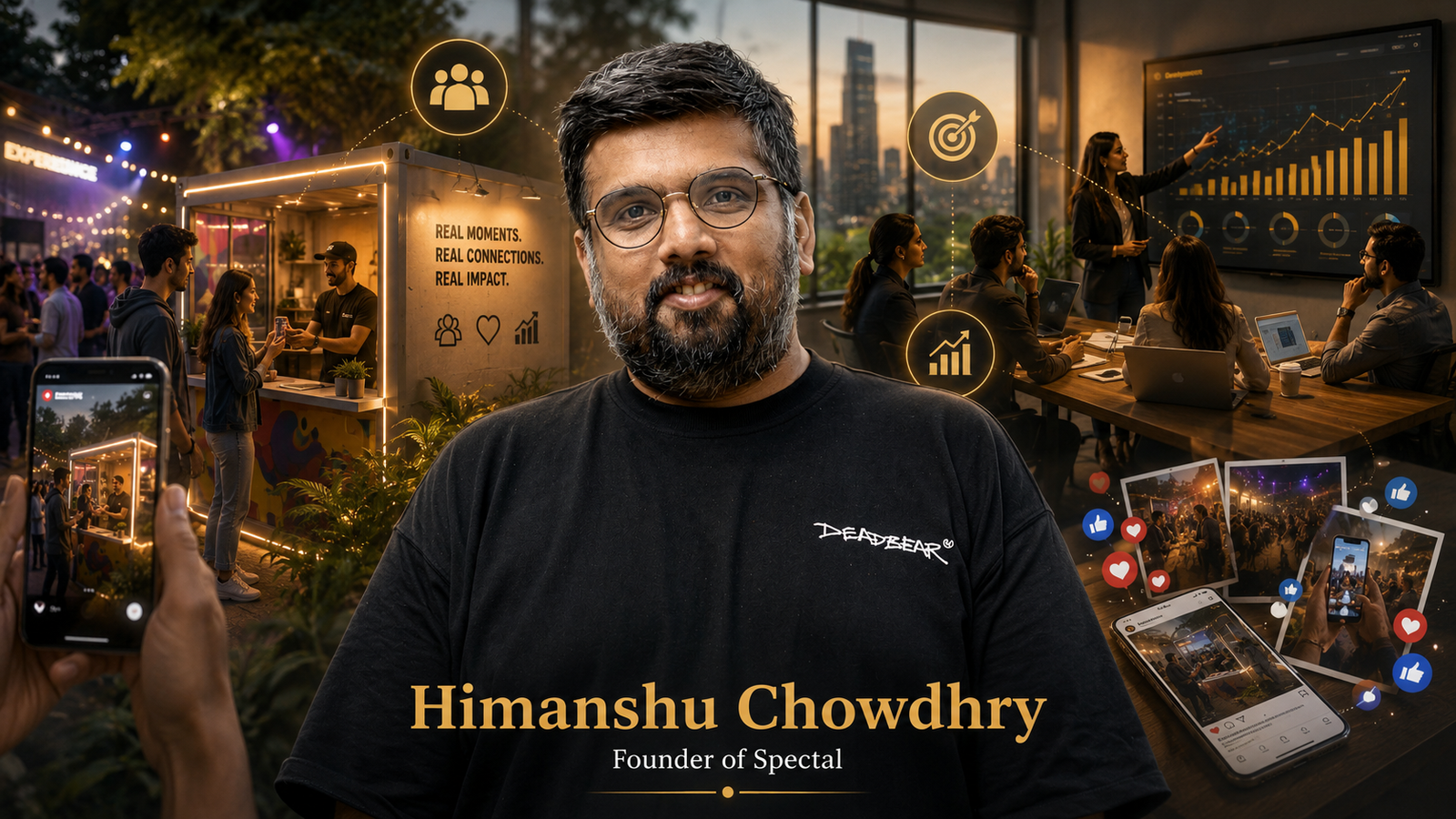
– Written by Himanshu Chowdhry, Founder of Spectal, a youth experience agency working at the intersection of youth culture, music, campuses and brands. With over a decade of experience across talent management, live experiences and large-scale youth engagements, he brings an on-ground perspective on how India’s young audiences are shaping culture and consumer behaviour.