Discover how Canva Branding made design simple, built user confidence, and became the go-to platform for everyday creativity.
Looking for a Shorter Overview?
AI Summary
There was a time when making a poster for school or college felt like a project in itself. Someone in the group would always ask, “Does anyone know Photoshop?” Everyone would look at that one friend who somehow knew how to use complicated software, while the rest of us simply waited for the final file.
Today, that conversation has almost disappeared. The response is much simpler: “I’ll make it on Canva.” Whether it’s a presentation, an Instagram post, a resume, or even a wedding invitation, Canva has become the first name that comes to mind for millions of people. That’s what makes Canva Branding so fascinating. The company didn’t just build a product. It quietly changed people’s behaviour.
Why Canva Branding Made Design Feel Less Intimidating
The biggest problem Canva solved wasn’t poor design. It was the fear of designing. For years, good design felt like a skill reserved for professionals. If you didn’t know Photoshop or Illustrator, you simply accepted that your work would never look as polished as everyone else’s.
Canva challenged that belief. Instead of expecting people to learn complicated tools, it created a platform that felt welcoming from the very first click. It didn’t overwhelm users with technical jargon or endless buttons. It simply invited them to start creating.
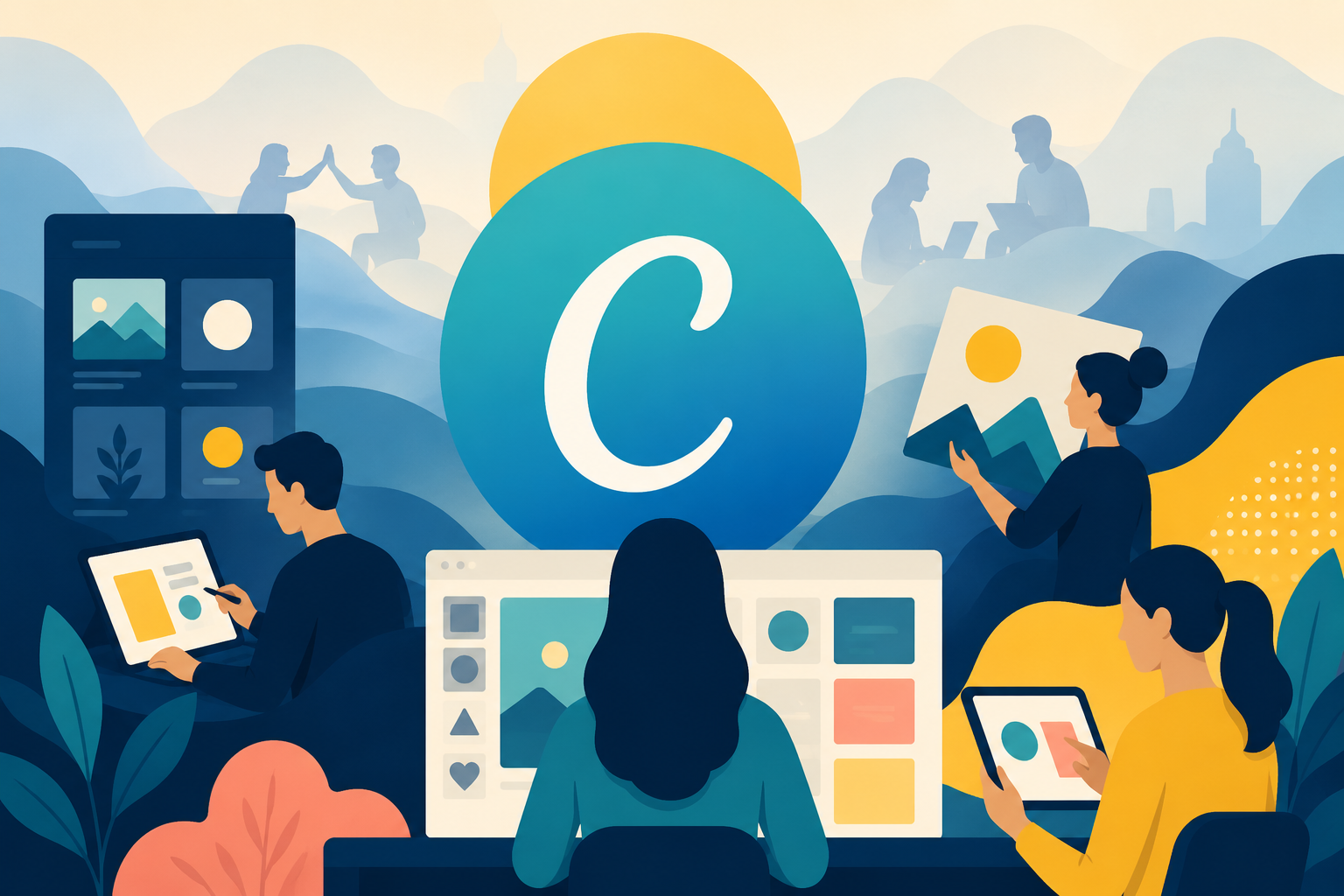
Think about the first time you opened Canva. Nobody asked you to watch a two-hour tutorial or understand layers, masking, and advanced editing techniques. You picked a template, changed a few words, replaced an image, and within minutes you had something that looked surprisingly professional.
That first small success mattered more than people realise. It wasn’t just about creating a better presentation or social media post. It gave people confidence. And confidence is something users naturally come back for because it makes the entire experience enjoyable instead of intimidating.
A friend once had to prepare a presentation for a college competition. The research was excellent, but the slides looked plain and unfinished. The night before the presentation, someone suggested trying Canva. Within an hour, the same content looked cleaner, more organised, and much easier to follow.
Interestingly, nothing about the ideas had changed. The information was exactly the same. Only the way it was presented had improved. That’s exactly what Canva Branding understood. Most people don’t dream of becoming graphic designers. They simply want their work to look presentable without spending hours learning complicated software.
Another reason Canva grew so quickly is that it never tried to make beginners feel inadequate. Some design software makes new users feel like they’re constantly doing something wrong because there are too many tools, too many options, and too many technical terms. Canva took the opposite approach by celebrating small wins.
You didn’t need years of experience to create something worth sharing. Every completed poster, invitation, presentation, or resume gave users another reason to believe they could do it again. Before long, people started recommending Canva to friends, classmates, and colleagues without even thinking twice.
It’s interesting how often Canva appears in everyday conversations. A teacher asks students to make a poster, and someone immediately says, “Use Canva.” A friend wants to design a birthday invitation, and Canva comes up again. A small business owner needs a quick Instagram post, and the recommendation is exactly the same.
Also read: What Blinkit Branding Reveals About Speed as a Brand Promise
Very few brands become the default recommendation without people actively comparing alternatives. That’s not just good marketing. That’s what strong branding looks like. The brand becomes so closely associated with solving a problem that it naturally becomes part of everyday language.
Perhaps the smartest thing about Canva Branding is that the company never tried to make itself the hero of the story. The real hero is always the user. When someone finishes designing a presentation, they rarely say, “Canva did an amazing job.” Instead, they proudly say, “Look what I made.”
That’s a subtle but incredibly powerful difference. Canva quietly stays in the background while users take credit for their own creativity. In doing so, it makes people feel capable instead of dependent, and that emotional connection is much harder for competitors to replicate.
In conclusion, Canva didn’t become successful because it had the most advanced design features. It became successful because it removed the feeling that design was only for creative professionals. It made millions of ordinary people believe they could create something beautiful with very little effort.
Maybe that’s the biggest lesson behind Canva Branding. The strongest brands don’t just solve practical problems. They remove self-doubt.
Once a brand can make people believe they’re more capable than they thought, it stops being just another product and becomes something they happily recommend to everyone around them.
– Written by Bhavya Singhal, an Emerging Journalist and a Digital Media and Communication student exploring branding, marketing strategy, and consumer psychology through practical observations and real-world examples.