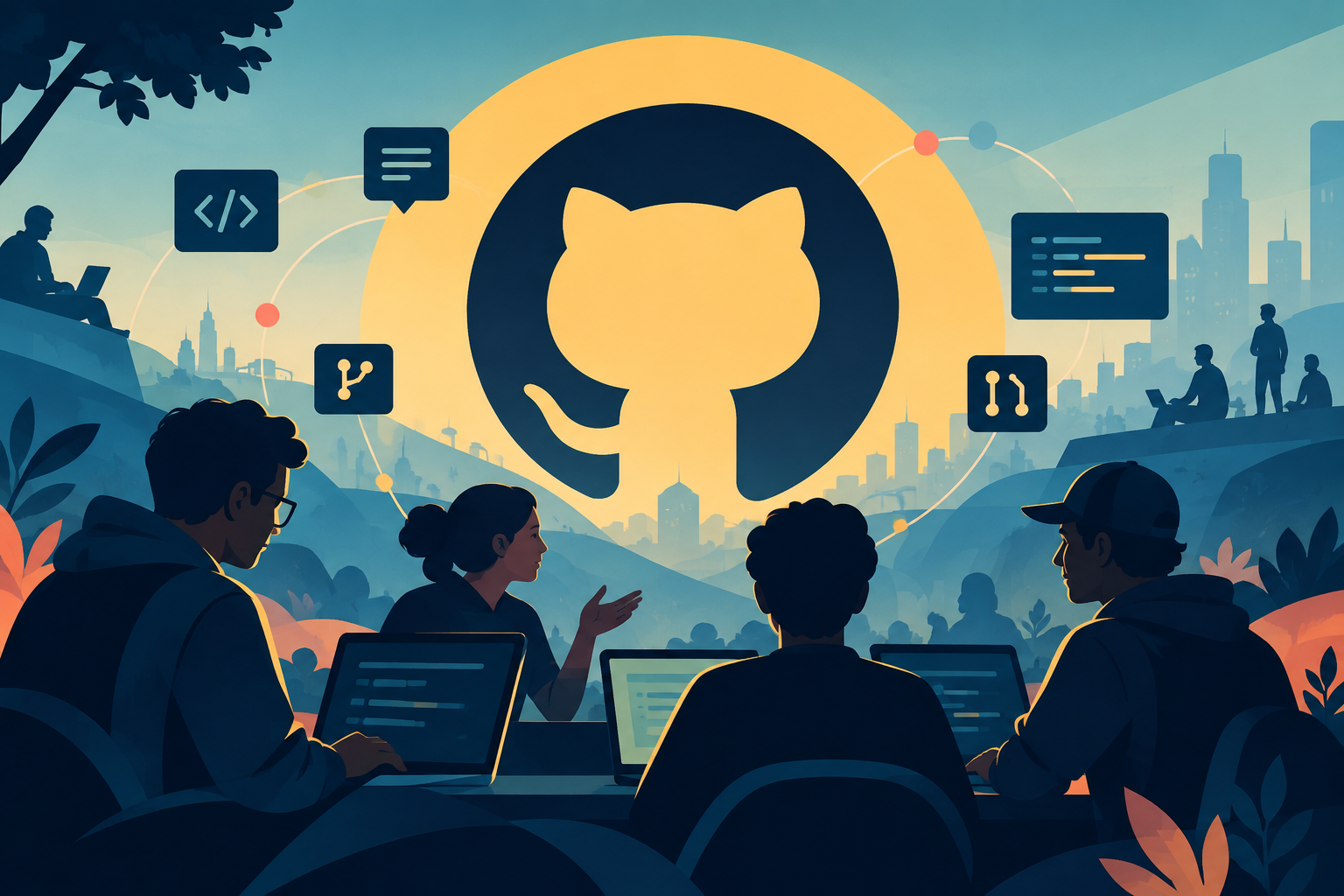
GitHub shows how Developer Communities can turn collaboration, open source and participation into lasting brand power.
Looking for a Shorter Overview?
AI Summary
Key Moments
Understand Developer Needs
GitHub succeeded by solving real developer problems with tools like repos and pull requests.Community Generates Credibility
When developers showcase work publicly, their contributions become proof of expertise, boosting brand trust.Prioritize Usefulness Over Promotion
Developers value functional documentation and peer recommendations more than polished advertising.Brand Power via Ecosystem Enablement
Creating an environment where users demonstrate value turns participation into lasting brand strength.For most brands, building a community is an aspiration. For GitHub, it became part of the product itself. The platform did not grow simply by convincing developers to use another software tool. It created a place where developers could build, share, collaborate, learn, and contribute, making participation central to the experience. That distinction matters because Developer Communities are difficult to build through traditional marketing alone. They grow when people find genuine value in being part of them.
GitHub’s journey offers an interesting marketing lesson: a brand becomes more powerful when its audience is not just consuming what it offers, but actively contributing to the ecosystem around it. By putting developers and open-source collaboration at the centre, GitHub turned community participation into a source of visibility, credibility and long-term brand equity.
How Developer Communities Turn Participation into Brand Power
GitHub’s early advantage came from understanding what developers actually needed. Built around Git and collaborative software development, the platform made it easier for people to host projects, track changes, work together, and contribute to open-source software. Features such as repositories, forks, issues, and pull requests were not marketing gimmicks; they solved real problems for developers. That usefulness gave people a reason to return and, importantly, a reason to bring others with them.
This is where Developer Communities become particularly powerful. A traditional campaign communicates to an audience. A community creates opportunities for people to communicate with one another. On GitHub, developers can contribute to projects, suggest improvements, report problems, and share knowledge. Their activity creates an ecosystem of content and interaction that continues beyond any individual marketing campaign.
Open source played a significant role in this growth. GitHub’s public repositories provided a natural home for open-source projects, while the platform’s collaborative features made it easier for developers to participate in them. Projects could gain visibility, attract contributors, and develop communities of their own. GitHub therefore benefited from a network effect: as more developers and projects participated, the platform became increasingly useful and relevant to others.
There is also a branding lesson in the way GitHub allows developers to demonstrate their work. A developer’s profile and contributions can provide evidence of what they have built and how they have collaborated. Repositories, documentation, and contribution histories become tangible signals of expertise rather than claims made in a marketing message. In that sense, the community itself generates credibility.
GitHub has also extended this ecosystem beyond code hosting. Its Marketplace, integrations, and enterprise offerings have created additional ways for companies and developers to build around the platform. Third-party applications can integrate with GitHub, while enterprises can use GitHub to support collaborative development and developer workflows. This makes the brand part of a wider working environment rather than simply another software product.
Also read: Lush: How Ethical Branding Became Part of the Product
For marketers, perhaps the most important lesson is that developers generally respond better to usefulness than promotional noise. They look for accurate documentation, working examples, transparent information, and evidence that a product can solve a real problem. Community participation and peer recommendations can therefore carry more weight than polished advertising.
That does not mean brands should simply create a GitHub account and expect a community to appear. The platform works because participation has a purpose. Brands looking to build Developer Communities need to give people something worth contributing to: useful tools, accessible documentation, open projects, meaningful discussions or opportunities to influence the product. They also need to listen. GitHub’s own approach to gathering developer feedback illustrates how community input can inform product decisions, messaging, and broader go-to-market efforts.
The bigger marketing takeaway is straightforward. Brand power does not always come from saying more about the brand. Sometimes it comes from creating an environment where other people can demonstrate its value for you. GitHub built that environment around developers, collaboration, and open source. The result is a brand whose strength is closely connected to the activity of the community surrounding it.
For brands targeting technical audiences, that is a valuable shift in perspective: build something people want to participate in, not simply something you want them to buy.