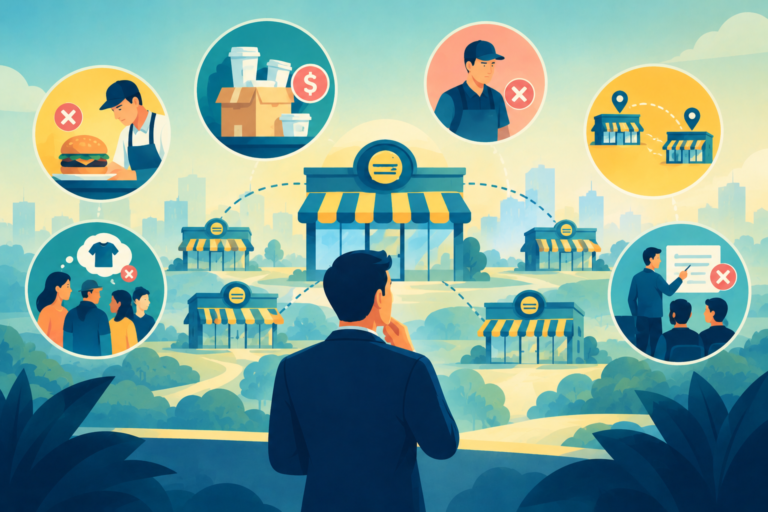
Deceptive digital design is dangerous See how eliminating dark patterns turns ordinary stores into success.
Looking for a Shorter Overview?
AI Summary
Online stores rely on clear, trustworthy design to help customers browse and buy products. But when a website uses confusing or misleading buttons to steer shoppers, these tactics are known as Dark Patterns. Although Dark Patterns may seem to encourage quick purchases, they can frustrate customers and damage trust. Understanding why shoppers react negatively can help retailers create better experiences and build lasting customer relationships.
How Brands Avoid Adding Extra Cash Charges Secretly via Dark Patterns
Some online stores automatically add extra products or services to a customer’s cart. For example, someone buying a white shirt may find an unrequested warranty added at checkout and accidentally pay more. This type of dark pattern can quickly frustrate shoppers.
In a recent investigation of major online sales events, the European Commission found that 10% of online retailers used drip pricing, hiding mandatory fees such as shipping or service charges until checkout. To build trust and encourage repeat purchases, retailers should clearly display the full price and make optional extras easy to understand and decline.
Subscription businesses earn recurring revenue, but customers should be able to cancel easily. If a digital newspaper hides its cancellation button and requires readers to call a representative, that may be a dark pattern tactic designed to make cancellation difficult.
Research from the National Bureau of Economic Research (NBER) and C+R Research suggests that Americans often underestimate how much they spend on subscriptions. Forgotten or automatically renewed charges add up to an estimated $27.7 billion each year.
Businesses that obstruct cancellation risk damaging customer trust and may also face regulatory penalties. Clear, straightforward cancellation options are a more honest way to manage subscriptions.
Hotel booking websites may use messages such as “Only one room left” to encourage travelers to book quickly. If the claim is false, this deceptive Dark Patterns tactic can pressure customers into paying before they have time to decide.
Researchers at Princeton University found that more than 11% of retail websites use fake scarcity messages. When travelers discover that a booking site has misled them, they may lose trust and choose another service in the future.
Online stores often offer a discount in exchange for a customer’s email address. But if the shopper declines and sees a message suggesting they “hate saving money,” the site is using an insulting dark pattern tactic that can make customers feel pressured or disrespected.
Marketing teams should respect customers’ choices and use clear, neutral language. A considerate experience helps preserve trust and can encourage shoppers to complete their purchases without feeling manipulated.
News websites earn revenue by selling digital advertising space, but some make ads resemble regular articles to attract accidental clicks. This misleading Dark Patterns tactic can inflate traffic figures and make marketing results unreliable.
Readers who discover that they have clicked an advertisement instead of a news story may feel deceived and leave. Clearly labeling ads and separating them from editorial content helps publishers protect reader trust and build a loyal audience.
Technology companies often request access to personal information through their apps. If an app makes the acceptance button large and prominent while hiding the option to decline, that is a visual dark pattern tactic that can pressure users into sharing location data.
Gartner research indicates that users may delete apps when they discover their privacy has been compromised. Developers can build trust by asking only for necessary information, making privacy choices clear, and protecting personal data on the device whenever possible.
Also read: Consumer Trust in Advertising: Why Do Only 5% of Consumers Trust It?
To eliminate Dark Patterns, businesses can create UX ethics teams and regularly review their digital experiences for clarity and fairness. Rather than pressuring customers into quick decisions, brands should make choices easy to understand and ensure that opting out is just as simple as opting in. A commitment to transparency can strengthen customer loyalty, reduce the risk of regulatory penalties, and build long-term brand value.
Loved this article? Read more insightful articles on Brand Custodian.
–Written by Rajnish Kumar, a copywriter and strategist with a background in fast-paced journalism, who explores the gap between what brands promise and how consumers actually behave.