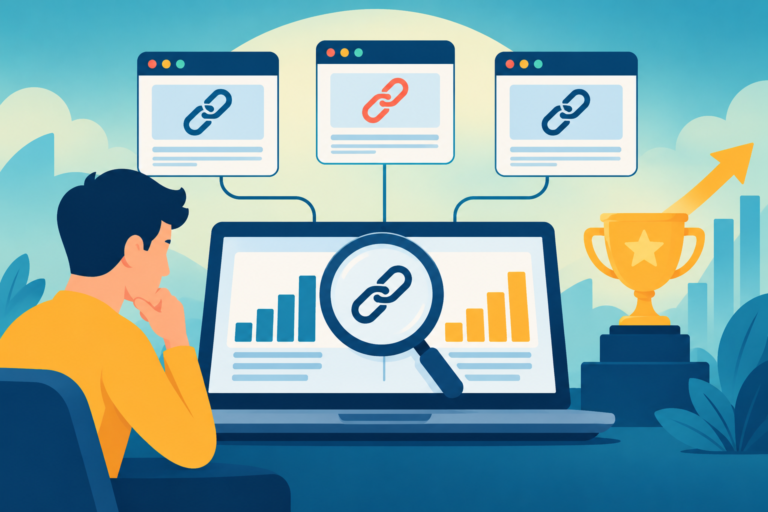
Explore how Affiliate Marketing helps brands expand their reach, build partner networks and drive sales beyond their own channels.
A brand’s ability to generate sales is often linked to how effectively it uses its own marketing channels. Websites, social media platforms, email campaigns and paid advertisements all play an important role in attracting customers. However, relying entirely on these channels can limit a brand’s ability to reach new audiences. This is where Affiliate Marketing offers an opportunity to expand beyond traditional marketing efforts by building relationships with individuals, content creators and businesses that can promote products or services to their existing audiences.
At its core, affiliate marketing is a performance-based arrangement in which partners earn a commission for generating sales, leads or other agreed-upon actions for a brand. Instead of investing entirely in advertising to attract potential customers, businesses can work with affiliates who already have the attention and trust of relevant audiences. When approached strategically, this model can help brands increase visibility, acquire customers and create an additional source of revenue without building an entirely new sales team.
How Affiliate Marketing Helps Brands Build a Wider Sales Network
The biggest advantage of affiliate marketing is that it allows brands to extend their reach through relationships they might not otherwise have access to. A technology company, for instance, could partner with industry bloggers, product reviewers and specialised content creators to introduce its solutions to potential customers. Similarly, a fashion brand could collaborate with lifestyle influencers, fashion websites and product recommendation platforms to generate interest and sales.
These partnerships work because affiliates bring something beyond promotional space: an existing audience and an understanding of what interests that audience. Their recommendations can introduce products in a context that feels relevant to potential customers. This does not automatically guarantee conversions, but it gives brands another way to reach people who may not have discovered them through conventional advertising.
The process itself is relatively straightforward. A brand establishes an affiliate programme, decides how partners will be rewarded and provides them with unique tracking links or promotional codes. Affiliates then share these links through their websites, blogs, social media accounts, videos, newsletters or other relevant platforms. When someone clicks a tracked link and completes the required action, the affiliate receives credit for the referral. Depending on the programme, this could mean a completed purchase, a qualified lead or even a click.
For brands, the first step towards building an effective affiliate network is identifying the right partners. A large following does not necessarily translate into strong sales. A smaller content creator with an engaged audience interested in a particular product category could deliver better results than an influencer with millions of followers but little connection to the brand. Businesses should therefore look beyond audience size and consider content quality, credibility, audience demographics and relevance to their offerings.
The next consideration is creating a commission structure that works for both parties. Affiliates need a clear financial incentive to invest time and effort in promoting a brand, while businesses must ensure that commissions remain commercially sustainable. Some programmes offer a fixed percentage of each sale, while others use tiered incentives that reward partners for achieving specific sales targets. The objective is to make participation worthwhile without compromising profitability.
However, recruiting affiliates and offering attractive commissions is only part of the equation. Brands must also equip their partners with the resources needed to promote their offerings effectively. This includes product information, campaign creatives, promotional guidelines, discount codes and access to performance reports. Regular communication is equally important. Affiliates should be informed about new launches, changes in pricing, upcoming promotions and any updates that could influence their campaigns.
Technology also plays an important role in managing these relationships. Affiliate tracking platforms and networks help businesses monitor clicks, conversions, sales and commissions. They also make it easier to identify which partners are delivering results and which promotional channels are attracting valuable customers. Brands can use this information to refine their programmes, adjust commission structures and allocate resources more effectively. Accurate tracking is particularly important when customers interact with multiple marketing channels before making a purchase.
Another important consideration is maintaining transparency and protecting brand credibility. Affiliates should clearly disclose their commercial relationship with the businesses they promote. Brands must also establish guidelines around messaging, advertising claims and the use of their identity. Without these boundaries, promotional content could misrepresent products or create reputational challenges. Giving affiliates creative freedom is valuable, but it should always work within clearly communicated brand guidelines.
Also read: Wise SEO Strategy: How Did a Fintech Brand Compete With Established Financial Institutions?
Influencer partnerships offer another avenue for expanding an affiliate network. Unlike traditional influencer collaborations that may involve a fixed payment for promotional content, influencer affiliate programmes can reward creators based on the sales or leads they generate. This allows brands to work with creators whose audiences closely match their target customers while linking a portion of their compensation to measurable outcomes. Influencers can demonstrate products, share personal experiences and provide followers with trackable purchase links or discount codes.
Ultimately, affiliate marketing should not be treated as a one-time campaign or a quick way to increase sales. Building a reliable network takes time, consistent communication and a willingness to strengthen existing partnerships. Brands must regularly review performance, recognise successful affiliates, address challenges and continue identifying relevant partners. The most effective programmes are built around relationships rather than simply accumulating promotional links.
As marketing becomes increasingly competitive, businesses need to find ways to reach customers beyond the platforms they directly control. Affiliate marketing provides an opportunity to do exactly that. By combining the reach of external partners with performance-based incentives, clear expectations and effective tracking, brands can create a wider sales network that supports sustainable customer acquisition and long-term growth.
– Written by Saad Rashid, an experienced journalist with extensive experience across both print and digital media. He has worked with various publications in India and internationally and has reached millions of readers through his thought-provoking articles.
Enjoyed this article? Read more here.