Discover how Shoes on Loose uses factory seconds, consumer education and community building to make aspirational footwear more accessible.
Looking for a Shorter Overview?
AI Summary
Key Moments
Factory Seconds Sourcing Model
Shoes on Loose sources brand‑rejected shoes via factory contacts and resells them at a fraction of retail price, offering affordable aspirational footwear.Consumer Education Is Critical
Most buyers are unfamiliar with factory seconds; the company uses social media and WhatsApp to explain value, transparency, and condition to build trust.Community Over Reach
Leveraging WhatsApp communities creates ongoing relationships and direct communication, delivering repeat purchases without heavy paid advertising.Value Creation Through Access
Rather than changing the product, the business unlocks value by making an existing, rejected item accessible, bridging the gap between desire and affordability.For many consumers, buying a pair of branded sneakers is as much about aspiration as it is about footwear. People admire certain brands, follow their releases, and save up for the shoes they want. Yet, the price tag often puts those products out of reach. What if there were another way to access footwear that had been rejected by the brand but could still be valuable to a consumer?
That question sits at the heart of what we are building at Shoes on Loose. Through connections within footwear factories, we source factory seconds and make them available to everyday consumers at a fraction of the price of their first-quality counterparts. These are shoes that do not make it into a brand’s regular retail channel, often because they do not meet its prescribed quality standards. Depending on the product, the reasons can vary, which makes transparency about each pair particularly important.
The interesting part is not just the product itself. It is the market that exists around it, largely unnoticed by consumers who assume that branded footwear must always be purchased through conventional retail channels. Bringing factory seconds to a wider audience requires more than sourcing inventory at the right price. It requires explaining an unfamiliar category, addressing quality questions, and helping people make informed purchase decisions.
For me, this is where the business becomes a marketing lesson. Sometimes, growth does not come from convincing consumers to want something new. It comes from showing them a different way to access something they already want.
Factory Seconds: Creating Demand Through Consumer Education
One of the biggest challenges with factory seconds is that most consumers are unfamiliar with the category. They may understand discounts, end-of-season sales, and outlet shopping, but factory-rejected products occupy a different space in their minds. Questions about authenticity, defects, durability, and value are natural. Unless those questions are addressed, a low price alone may not be enough to earn their trust.
This is why consumer education is central to what we do at Shoes on Loose. We use social media to introduce people to the concept, showcase the products available, and explain why certain pairs can be sold at significantly lower prices. The aim is to help consumers understand what they are buying, rather than relying on a discount to do all the selling.
There is a broader marketing principle here. When a business operates in a category that consumers do not fully understand, it has to sell the idea before it can sell the product. Education reduces uncertainty, gives customers a reason to consider an unfamiliar purchase and helps establish the credibility needed for a transaction.
However, education must be backed by transparency. Factory seconds should not be presented as indistinguishable from first-quality retail products. Customers need clear information about the condition of each pair, any visible imperfections, sizing, return policies, and the nature of the product. Where brand authorisation, authenticity or warranties are relevant, these must also be communicated accurately. An attractive price may generate the first purchase, but an honest experience is what gives customers a reason to return.
Our use of WhatsApp builds on this approach. Social media helps introduce the concept to a wider audience, while a WhatsApp community gives interested consumers a more direct way to discover available products, ask questions, and engage with new offerings. It creates an opportunity to move beyond a one-time transaction and build an ongoing relationship with customers who understand the proposition.
For marketers, this illustrates the difference between reach and community. Reach helps people discover a business, but a community can give them a reason to stay connected. When used thoughtfully, a channel such as WhatsApp can support product discovery, direct communication, and repeat purchases without requiring a business to depend entirely on paid advertising.
Also read: How Well Do You Know Your Client?
There is also a lesson in the way we think about affordability. Consumers do not necessarily want the cheapest product available. They want to feel that the money they spend is justified by what they receive. For someone who aspires to own a particular kind of footwear, factory seconds can offer an alternative, provided the price reflects the product’s actual condition and the customer understands the trade-offs.
This is a different way of thinking about value creation. Instead of changing the product to suit a new audience, a business can sometimes unlock value by changing how an existing product reaches that audience. The opportunity lies in identifying a gap between what consumers want, what they believe they can afford, and what the market currently makes accessible to them.
Shoes on Loose is built around that gap. Our job is not simply to make products cheaper. It is to make an unfamiliar buying option understandable, accessible, and trustworthy. That means getting the sourcing right, communicating honestly and building relationships with consumers through the channels they already use.
For any entrepreneur or marketer, the larger takeaway is worth considering. Markets are not always created by launching something entirely new. Sometimes, the opportunity is already there, hidden behind a lack of awareness, an established buying habit, or a price assumption. The businesses that recognise these gaps and address them responsibly can create value for both themselves and their customers.
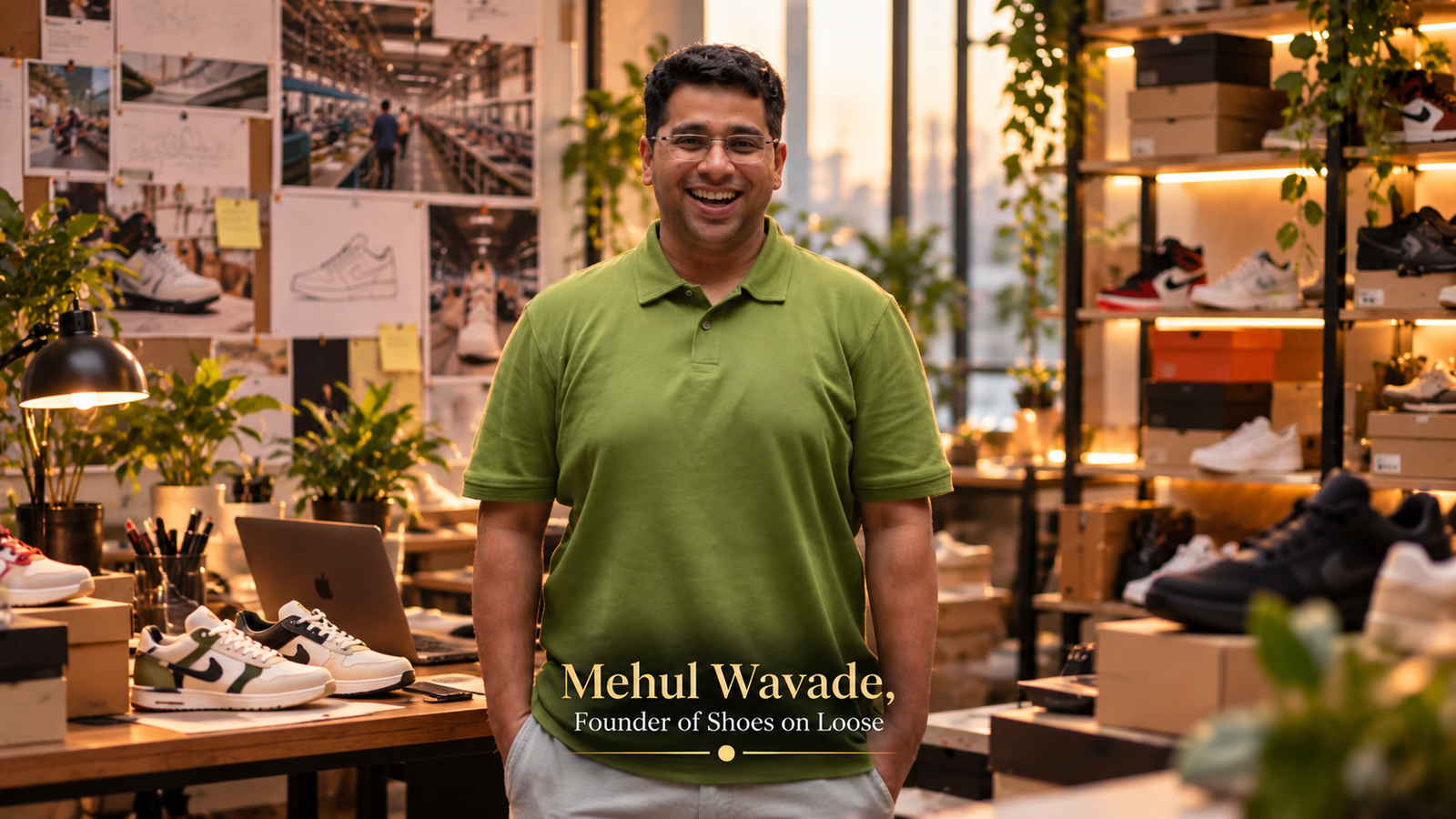
– Written by Mehul Wavade, Founder, Shoes on Loose. Mehul is a technology professional with experience in customer success, project management, and strategic planning. Drawing on his experience in technology and entrepreneurship, he is focused on making aspirational footwear more accessible to consumers through an alternative retail model built around factory seconds.