Rigid logistics design is dangerous. See how mastering Uber Eats turns ordinary apps into an unstoppable success.
Looking for a Shorter Overview?
AI Summary
Key Moments
Multi-category expansion
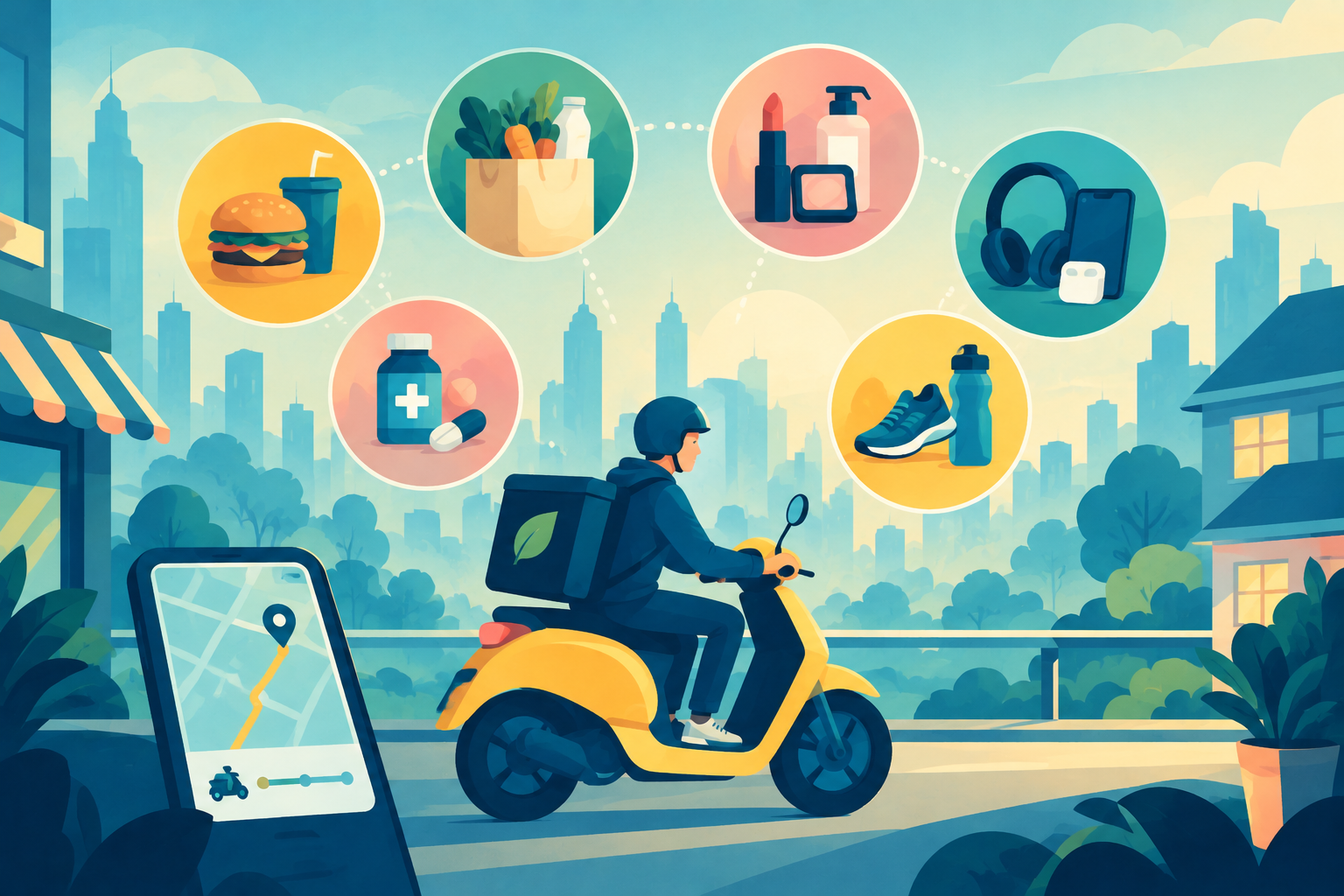
Uber Eats now delivers groceries, medicine, cosmetics, and sports equipment beyond restaurant meals.Retail partnerships
Brands like GameStop and Ulta Beauty partner with Uber Eats to reach local shoppers.Revenue diversification
Uber Eats earns money from delivery fees and digital advertising, generating $900 million in Q4 2023.Growth metrics
The platform serves 95 million monthly users and generated $13 billion in revenue in 2024.Food delivery apps let customers track their orders as they make their way to the door. Today, delivery services are also expanding beyond restaurant meals. Uber Eats, for example, uses its delivery network to bring customers items such as medicine, fresh groceries, and electronics.
As we discussed in our previous article about Perceived Control, tracking an order can help customers feel informed and in control. The variety of products available through Uber Eats also shows how delivery platforms can serve changing customer needs and create new opportunities for businesses.
How Brands Deliver Fresh Groceries Through Uber Eats
Grocery stores sell fresh produce every day, but many shoppers dislike navigating crowded aisles. Uber Eats helps make grocery shopping more convenient by connecting customers with local stores and arranging home delivery.
According to financial magazine SQ Magazine, Uber’s Grocery & Retail vertical segment recently reached $15 billion in annualized gross bookings and is growing by 40% each year. By helping busy shoppers get fresh vegetables delivered, Uber Eats is expanding its services and creating new opportunities for retailers.
Retailers sell products ranging from video games to cosmetics, and this brand has partnered with businesses such as GameStop and Ulta Beauty to offer delivery through its app.
Customers can order items like makeup and have them brought to their door, often quickly. These partnerships help retailers reach more local shoppers, while Uber Eats earns a share of the delivery transaction.
Restaurants are always looking for ways to reach new customers. Uber Eats offers paid advertising that lets restaurant owners promote their businesses at the top of the app, where hungry customers are more likely to see them.
Uber CEO Dara Khosrowshahi reported that the company generated $900 million in revenue run-rate in Q4 2023. This shows how it earns money not only by delivering physical products, but also by selling digital advertising space.
Frequent customers often want to keep delivery costs low. It also offers Uber One, a monthly subscription that waives delivery fees on eligible orders. As we discussed in our previous article about the Sunk Cost Fallacy, customers may be more inclined to use a service after paying for a subscription.
Sports retailer Decathlon sells equipment such as metal weights, but customers may not always be able to visit the store. Through its partnership with Uber Eats, athletes can order certain sports items through the app and have them delivered to their homes.
This service gives customers a convenient way to get equipment without leaving home. Decathlon can reach more buyers, while Uber Eats earns delivery fees for transporting the products.
Expanding Uber Eats beyond restaurant meals depends on efficient delivery operations. Predictive batching and smart route planning can group nearby orders from pharmacies, bakeries, and grocery stores into a single courier trip instead of sending a driver for each pickup.
This approach can lower delivery costs, shorten travel times, and help make multi-category delivery more profitable for both Uber Eats and local businesses.
Business managers closely track how many people use their delivery platform. According to Business of Apps, Uber Eats has 95 million monthly active users worldwide and connects customers with more than one million restaurants and retail stores. The company generated $13 billion in revenue in 2024.
Also read: Can Mental Availability Change the Brands Consumers Consider First?
These figures highlight the scale of Uber Eats’ delivery network, which brings a wide range of products to customers and supports the company’s continued growth.
Loved this article? Read more insightful articles on Brand Custodian.
–Written by Rajnish Kumar, a copywriter and strategist with a background in fast-paced journalism, who explores the gap between what brands promise and how consumers actually behave.