Explore how digital gaming is reshaping India’s gaming market as consumers weigh convenience, affordability and ownership when buying games.
Looking for a Shorter Overview?
AI Summary
Key Moments
Convenience vs Long-Term Value
Digital games offer ease but lack resale potential, while physical copies can be sold later, influencing price‑sensitive gamers' choices.Resale Economy
Physical media retains monetary value after play, allowing Indian gamers to recover part of their spend and fund future purchases.Affordability Redefined
True affordability includes flexible participation options like pre‑owned games and exchanges, not just lower sticker prices.Consumer‑Centric Future
Brands that understand gamers' priorities and comfort levels will shape lasting loyalty in India's evolving market.Buying a video game is not always as simple as choosing a title and paying for it. For many gamers in India, the decision involves a little more thought. How much does it cost? How many hours of entertainment will it offer? And once the game has been completed, is that money gone for good, or can some of it be recovered?
These questions become particularly relevant when buying console games, where a single title can cost a few thousand rupees. Some players prefer digital copies for the convenience of having their favourite games readily available. Others value physical discs because they can sell or exchange them once they have finished playing. Neither approach is necessarily better. They simply reflect different priorities.
As someone who has spent years understanding the gaming market, I believe this is an important part of the conversation about the future of gaming in India. The question is not just whether gamers will embrace digital purchases or continue buying physical games. It is whether the industry understands what drives those choices in the first place.
Convenience Is Only Part of the Equation
Digital platforms have made gaming more accessible in several ways. Players can purchase games from home, download updates and access their libraries without visiting a store. As internet connectivity improves and digital habits become more established, these benefits will continue to influence consumer behaviour.
However, convenience does not automatically translate into preference. When someone purchases a game, they are not just paying for a few hours of entertainment. They are also making a decision about ownership, value, and how much flexibility they will have after the purchase.
This is particularly relevant in India. Gaming can be an expensive hobby, especially for console players who have already invested in hardware and accessories. When a new game costs a few thousand rupees, the decision to buy it is not always an impulse purchase. Gamers often compare prices, wait for discounts, consider pre-owned copies, or decide which title deserves their money first.
These behaviours are not signs of hesitation towards gaming. They are signs of an involved consumer who wants to make an informed purchase.
The Value of a Game Does Not End After Playing It
One of the biggest advantages of physical games is that they can continue to hold value even after someone has finished playing them. A gamer can sell a disc, exchange it for another title, or pass it on to someone else. The original purchase becomes part of a longer cycle of consumption rather than a one-time expense.
For many Indian gamers, this changes the economics of the hobby. The amount spent on a game is not necessarily the final cost of enjoying it. Resale value can help recover part of that expenditure, making room in the budget for the next experience.
The difference becomes clearer when we look at how people use different games. For a game like EAFC, which players may return to week after week throughout the year, buying a digital copy can make practical sense. The convenience of having the game readily available, without needing to manage a physical disc, fits the way they play.
A single-player game like Spider-Man can prompt a different decision. A player might buy a physical copy, complete the story and then resell or exchange it to help fund their next purchase. In a price-conscious market like India, the ability to recover some of the original cost can make physical media an attractive option.
Digital gaming offers its own benefits, including convenience and access to frequent offers. Yet, a digitally purchased game generally cannot be resold or exchanged in the same way as a physical copy. That difference influences how consumers evaluate the two formats.
The risk of buying an expensive game without trying it first can also influence this decision. Consider a major single-player release like Wolverine. When a player is spending a significant amount on a game they have not yet experienced, the absence of a playable demo and the limited refund options typically available for console purchases can make the decision feel riskier. This differs from eligible PC purchases on platforms such as Steam, where refunds may be available under specific conditions. Buying a physical copy gives the player another option: if the game does not meet their expectations, they can potentially resell or exchange it rather than being left with a purchase they regret.
From a marketing perspective, this is an important lesson. Customers do not always judge a product by its purchase price alone. They also consider its lifetime value, the flexibility it offers, and what they stand to gain from the decision.
Brands that understand the complete consumer journey are better placed to build lasting relationships than those that focus only on getting the first transaction.
Also read: Why Better Data Matters More Than More Data in Marketing
Affordability Can Be a Competitive Advantage
In a price-conscious market, affordability is often treated as a discounting exercise. I think it deserves a broader interpretation.
Affordability is also about giving consumers more ways to participate. It means recognising that not everyone wants to pay the full price for every new release and that different customers have different budgets and priorities.
For the gaming industry, this creates an opportunity to think beyond the traditional purchase model. Pre-owned games, exchange options, and transparent pricing can help more players access premium gaming experiences without stretching their budgets. These models also encourage repeat purchases by making the next game feel more attainable.
The marketing opportunity lies in understanding that value is not simply about selling something for less. It is about helping customers feel that their money has been well spent.
When a business makes it easier for a customer to return, upgrade, exchange or discover something new, it becomes part of the customer’s ongoing experience. That relationship can be more meaningful than a single promotional offer.
The Future Belongs to Brands That Listen
I do not see the future of gaming as a straightforward choice between physical and digital formats. Both offer distinct benefits, and different consumers will continue to make different choices depending on their preferences, budgets, and gaming habits.
The balance between physical and digital gaming will depend on more than technology. Pricing, access, ownership, convenience, and consumer confidence will all play a role in shaping what gamers choose.
For marketers, the larger lesson extends well beyond gaming. It is tempting to assume that consumers will automatically embrace whatever is newer, faster, or more technologically advanced. In reality, adoption happens when innovation fits into people’s lives and makes their experience better.
The brands that succeed will be those that understand not just what consumers want to do, but also what makes them comfortable doing it. They will pay attention to the small decisions customers make, the compromises they are willing to accept, and the value they expect in return.
Gaming is evolving, and so are its consumers. The real opportunity is not to persuade everyone to follow one model. It is to build an ecosystem where more people can participate, spend within their means, and continue enjoying the experiences they love.
Ultimately, the future of gaming in India will not be decided by technology alone. It will be shaped by how well the industry understands the people behind the purchases.
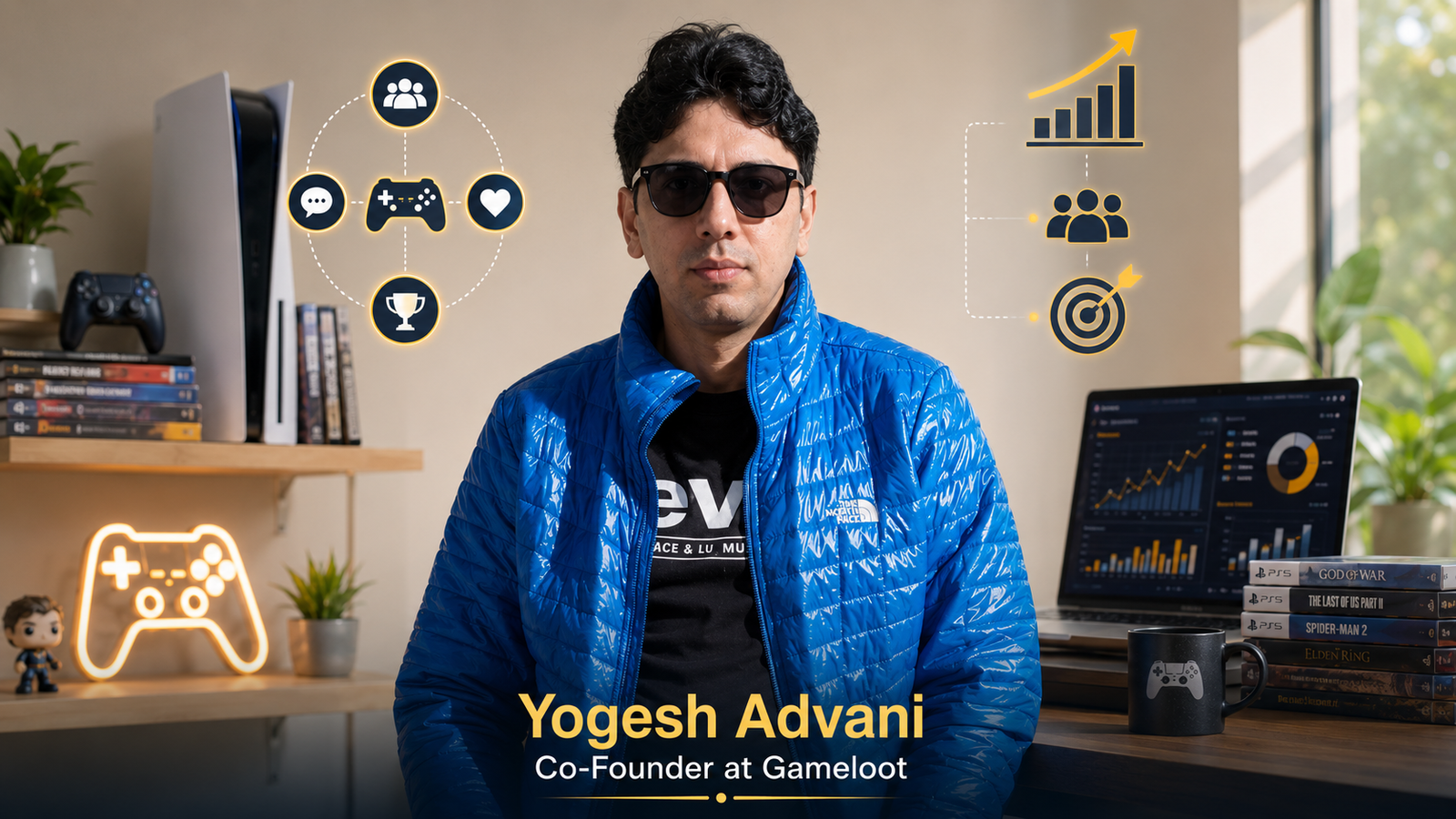
– Written by Yogesh Advani, Co-Founder of GameLoot, one of India’s leading gaming marketplaces. With nearly two decades of experience across community building, product marketing, and gaming retail, he is passionate about making gaming more accessible while building lasting communities around the industry.