Discover why emotional branding shapes buying decisions more effectively than logic and creates lasting customer trust and loyalty.
Looking for a Shorter Overview?
AI Summary
Key Moments
Emotional preferences develop before research
Brand exposure builds feelings early, often guiding choices before logical analysisEmotional branding creates lasting connections
Brands like Cadbury and Nike build emotional bonds that make people feel part of celebrations or achievementsFamiliarity drives brand loyalty
Trust from repeated exposure creates comfort that outweighs price or feature comparisonsStorytelling beats specifications
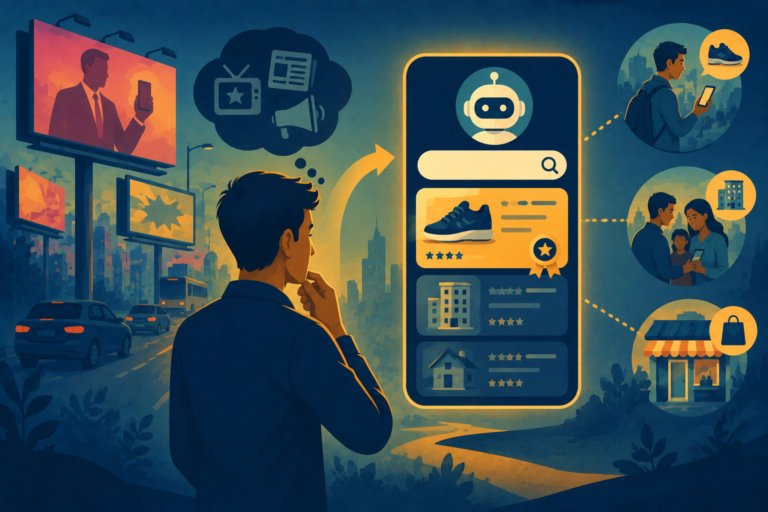
People recommend brands based on years of positive experience, not technical details like processing speedA few months ago, I needed a new phone. Like any sensible person, I opened YouTube reviews, compared camera samples, checked battery tests, and even made a small list of pros and cons. I was convinced I’d make the most logical decision possible. But when it finally came time to buy, I realised my choice had been leaning towards one brand from the very beginning.
It wasn’t because it had the best specifications. It was because I’d been seeing that brand for years. I’d watched its advertisements, heard people talk about it, and slowly built a positive feeling towards it without even noticing. The research came later. The preference was already there.
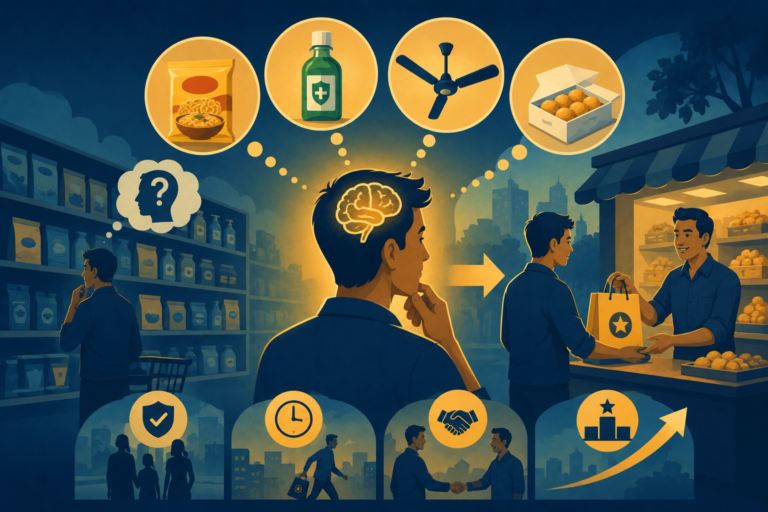
I think that’s true for a lot of us. We often tell ourselves that we buy products based on logic, but emotions quietly influence us much earlier than we’d like to admit. We compare features to justify our decision, but the brand we want is often the one that has already made us feel something.
That’s exactly why Emotional Branding is so powerful. It isn’t about making people cry during an advertisement or adding dramatic background music. It’s about creating a feeling that stays with people long after they’ve forgotten the details of the campaign.
Why Emotional Branding Wins Even When Products Look Similar
Just think about the brands you genuinely like.
If someone asked why you prefer them, you probably wouldn’t start mentioning technical specifications. You’d say things like, “I’ve always trusted this brand,” or “It just feels premium,” or maybe, “I’ve been using it for years.” None of those answers are based entirely on logic, but they’re exactly what shapes our choices.
Cadbury is a great example. Its advertisements rarely spend time explaining how chocolate is made or why its ingredients are better than everyone else’s. Instead, they celebrate birthdays, family moments, friendships, and little victories that almost everyone can relate to. Somewhere along the way, the brand stopped feeling like just another chocolate bar and started feeling like part of a celebration.
Nike has done something similar for decades. Most of us couldn’t tell you the exact technology inside every Nike shoe. But we’ve seen enough stories of athletes overcoming setbacks, ordinary people chasing impossible goals, and moments of determination that the brand has come to represent something much bigger than sportswear.
That’s what Emotional Branding really does. It gives people a reason to care before it gives them a reason to compare. Once an emotional connection exists, customers often become more forgiving, more loyal, and far more likely to remember the brand the next time they’re ready to buy.
Of course, emotions can’t fix a bad product. If the quality isn’t good, customers won’t stay for long. Branding might convince someone to try your product once, but only a good experience will make them recommend it to others. That’s why the strongest brands combine emotional storytelling with products that genuinely deliver.
Also read: Why Great Brands Don’t Chase Every Opportunity
I notice this in my own life more often than I’d like to admit. There are cafés where the coffee tastes almost identical, yet I keep going back to one particular place. It isn’t because the beans are magical. It’s because I like the atmosphere, I know the people there, and somehow it feels familiar. If another café offered me the same coffee for ten rupees less, I’d probably still choose the one I’m comfortable with.
That’s exactly how people feel about many brands. We don’t always choose the cheapest option or the one with the longest feature list. We often choose the one that already feels familiar because familiarity creates trust, and trust is surprisingly difficult to replace.
Maybe that’s where many companies get it wrong. They keep adding more features, more statistics, and longer comparison charts, assuming that’s what customers want to hear. Those things certainly matter, but they’re rarely what people remember after the advertisement ends.
Conclusion
Nobody tells a friend, “You should buy this because it has 18% faster processing speed.” They say, “I’ve been using this brand for years. You’ll like it.” That’s an emotional recommendation, and it’s probably one of the strongest forms of marketing there is.
Perhaps that’s the biggest lesson about Emotional Branding. Logic may help us explain our decisions, but emotions usually help us make them. The brands that understand this aren’t just selling products. They’re slowly becoming part of people’s memories, habits, and everyday lives.