Dark Mode Light Mode

The Hidden Cost of Discounting That Most Brands Ignore

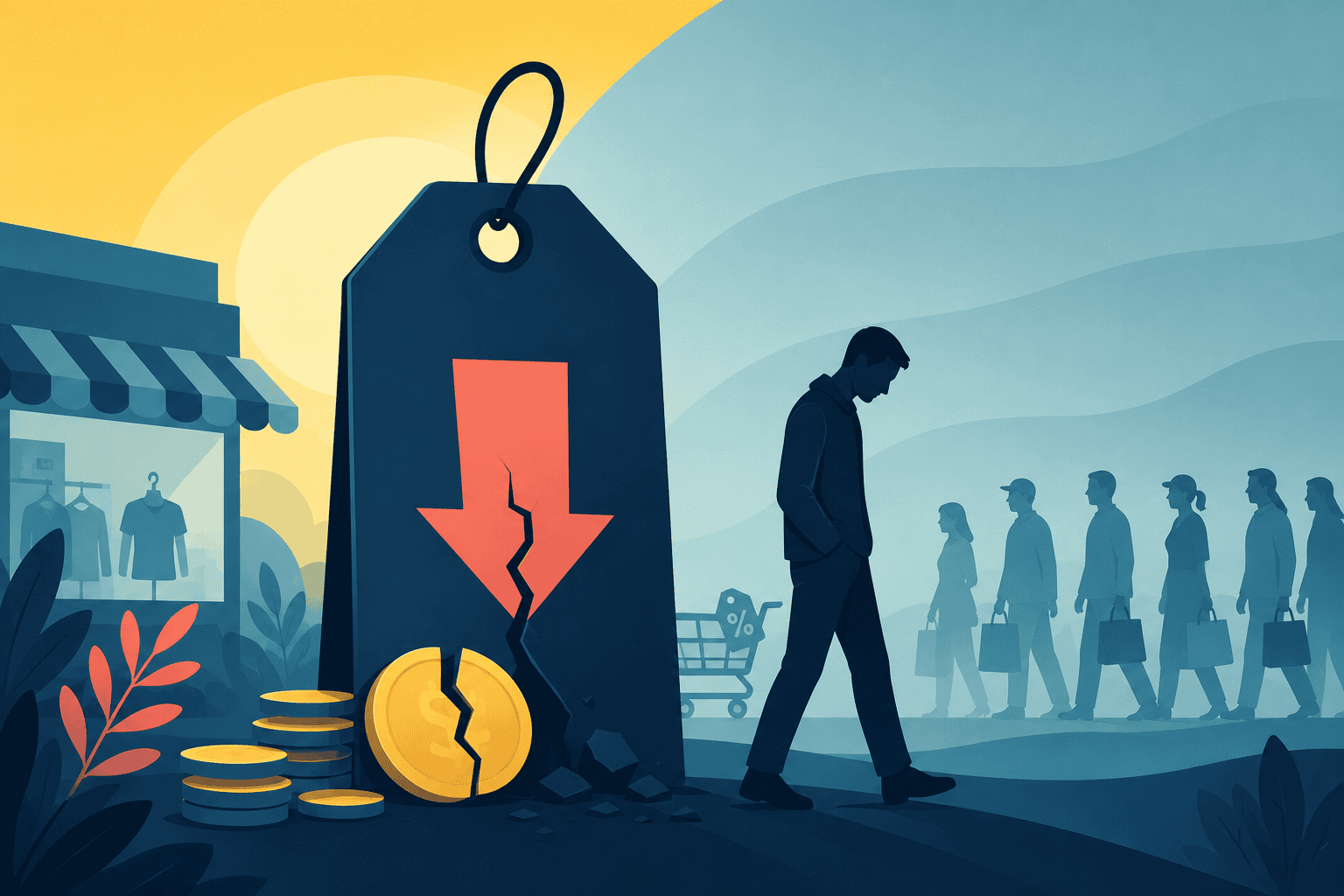
Frequent discounts can cut profits far more than they increase sales, turning customers into deal‑seekers and eroding brand value, making it hard to regain premium positioning.
Brand discounting Brand discounting

Looking for a Shorter Overview?

Key Moments

Profit Margin Erosion

Discounting reduces profit margins far more than the price cut, forcing higher sales volume to maintain earnings.

Customer Devaluation of Brand

Frequent discounts train customers to wait for deals, turning them into bargain hunters instead of loyal buyers.

Loss of Perceived Value

Constant lower pricing makes consumers question original quality, harming premium brand perception.

Pricing Inflexibility

Once customers accept discounted prices, restoring original prices feels like a price hike, limiting future pricing strategies.

Probably all of us have bought something simply because it was on sale. Getting a good deal always feels satisfying as a customer. But from a brand’s perspective, discounting can cost far more than it seems. While discounting may increase sales in the short term, it can gradually affect a brand’s profits, reputation, and long-term customer loyalty.

Discounting: Why Frequent Sales Can Hurt Your Brand

Let’s take the example of a clothing brand that has been selling a T-shirt for Rs. 1,000 since it was launched. Over time, it reduces the price to Rs. 699 and starts offering frequent discounts.

At first, this strategy attracts new customers and boosts sales. However, over time, customers begin to realise that another sale is always around the corner.

Advertisement

Instead of buying at the original price, they start waiting for the next discount. As this behaviour becomes a habit, the brand starts attracting bargain hunters rather than loyal customers.

Many of these customers purchase only because of the lower price and move on as soon as the discounts disappear. This is one of the biggest long-term risks of discounting.

Frequent offers such as 20% or 50% off may look attractive, but discounting can significantly reduce profit margins. Discounts don’t just lower revenue. They often cut profits by a much larger percentage.

For example, imagine a watch that costs Rs. 700 to manufacture and is sold for Rs. 1,000. The brand earns a profit of Rs. 300. Now, if the watch is sold with a 20% discount, the selling price becomes Rs. 800 while the production cost remains Rs. 700. The profit drops to just Rs. 100.

This simple calculation illustrates that a 20% reduction in price can reduce profits by nearly 67%.

To earn the same amount of profit, the business now has to sell significantly more products.

Another hidden consequence of discounting is the loss of perceived value. Price often influences how customers judge quality. If a product is almost always available at a lower price, people may begin to assume it was never worth the original price in the first place.

This is one reason luxury brands like Louis Vuitton and Rolex rarely offer discounts. Their exclusivity is a major part of their identity.

If these brands started running frequent sales, customers would no longer see them as premium in the same way.

When brands become dependent on discounts, they begin competing on price instead of value. Rather than improving their products, customer experience, or storytelling, businesses start relying on discounts as the main reason people make a purchase.

Another challenge is that pricing flexibility gradually disappears. Once customers become comfortable paying a discounted price, returning to the original price feels like a price increase, even though the brand is simply restoring its normal pricing.

Many marketers compare discounting to painkillers.

Discounting can provide quick relief when sales are slow, but it doesn’t solve the underlying problem. If used too often, it creates new challenges that become much harder to fix later.

The highest hidden cost of discounting isn’t just lower profits. It’s that customers begin to value the discount more than the brand itself.

Once that happens, convincing them to pay the full price becomes much more difficult, and rebuilding the brand’s value takes far longer than offering another sale.

Questions Answered

What is the hidden cost of discounting that many brands overlook?

Discounting erodes profits, loyalty, and brand value over time.

How does discounting affect profit margins beyond the reduced selling price?

A 20% price cut can slash profits by nearly 67%, requiring many more sales.

Why do luxury brands avoid discounts, and what does that mean for other brands?

Luxury brands protect exclusivity; discounting risks perceived quality.

How does frequent discounting change customer behavior and brand perception?

Customers start waiting for sales, making full‑price purchases harder.

Keep Up to Date with the Most Important News

By pressing the Subscribe button, you confirm that you have read and are agreeing to our Privacy Policy and Terms of Use
Add a comment Add a comment

Leave a Reply

Your email address will not be published. Required fields are marked *

Previous Post
Best Brands

Why the Best Brands Understand Why It Hurts Consumers More to Lose Than It Feels Good to Win

Next Post
Brand Manager

What Brand Managers Really Do: Less Cannes Lions, More Spreadsheets

Advertisement