AI in Marketing is changing marketers' roles. Discover why creativity, strategy and empathy matter more than ever.
Looking for a Shorter Overview?
AI Summary
Key Moments
AI Automates Routine Marketing Tasks
AI is taking over operational work like writing drafts, resizing creatives, and analyzing spreadsheetsHuman Judgment Becomes Premium
The real advantage lies in knowing when not to trust AI for strategic decisionsSoft Skills Gain Competitive Edge
Curiosity, cultural awareness, empathy, and strategic thinking cannot be easily automatedMarketing Evolves, Not Dies
AI changes what marketers do rather than eliminating the profession entirelyEvery few months, a new headline declares that marketing jobs are dead. “AI can write copy. AI can create logos. AI can make videos.”
The panic is understandable. After all, these tools have become remarkably good at producing content in seconds. But the real story is not that AI is replacing marketers. It is redefining what it even means to be one.
AI in Marketing Is Changing the Job, Not Eliminating It
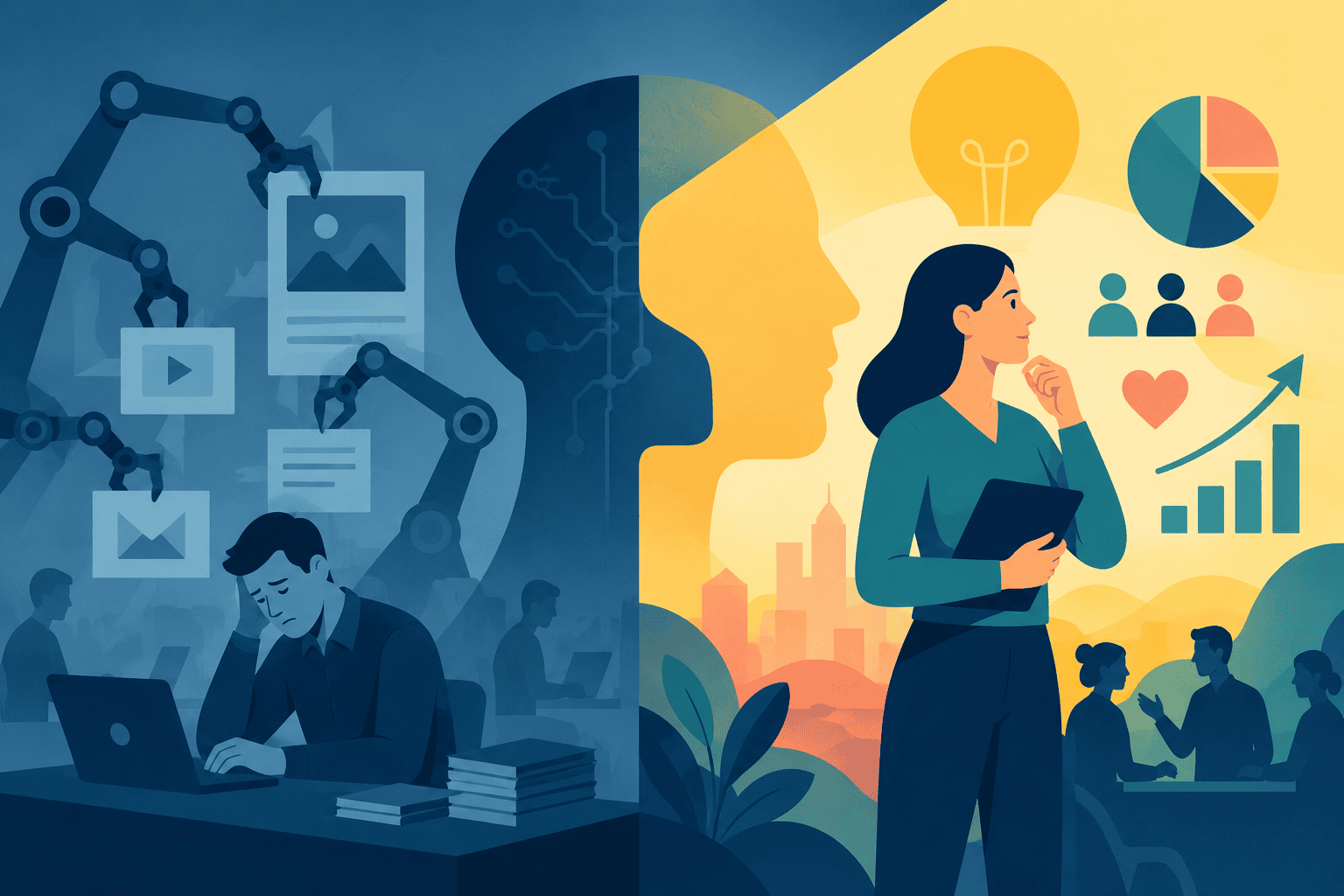
For years, marketing teams have spent countless hours writing first drafts, resizing creatives, preparing presentations, analysing spreadsheets and answering repetitive customer queries.
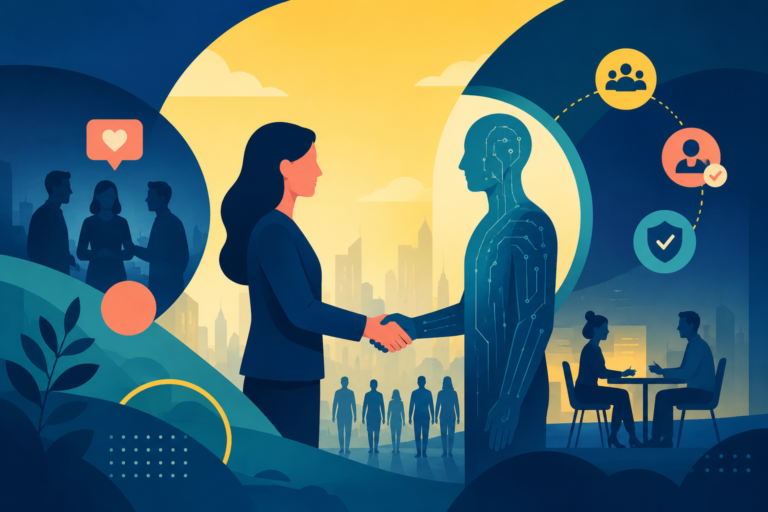
AI is rapidly taking over many of these operational tasks. That is not necessarily bad news. History offers very few examples of technology eliminating entire professions. Instead, it automates routine work and increases the value of human judgement. Marketing has now entered that phase.
The winners of the next decade will not be those who simply know the most AI tools. They will be the ones who know when not to trust them.
AI can generate ten campaign ideas in less than a minute. It cannot tell you which one will resonate with a 24-year-old engineer in Bengaluru or a first-time entrepreneur in Jaipur. It can summarise customer feedback, but it cannot understand the emotional nuance behind why people fall in love with certain brands.
Also read: Why Does Consumer Inertia Make Good Products Hard to Sell?
That remains a distinctly human skill.
Ironically, AI is making soft skills even harder to replace. Curiosity, cultural awareness, strategic thinking and empathy are becoming powerful competitive advantages because they cannot be easily automated.
This means young professionals need to prepare differently for their careers. Learning how to write effective prompts is valuable. Understanding consumer behaviour is essential. Knowing how to create AI-generated content is useful. Being able to build a distinctive brand voice is priceless.
Marketers who rely solely on AI will eventually begin to sound like everyone else using the same tools.
Original thinking is quickly becoming a premium skill.
AI is unlikely to shrink marketing departments in the future. Instead, it will change what those departments look like. Teams will spend less time producing content and more time solving business problems, identifying opportunities and developing ideas that machines cannot imagine on their own.
The question is not whether AI will replace marketers.
The question is whether marketers will be ready to adapt before AI changes the game.
– Written by Saad Rashid, an experienced journalist with extensive experience across both print and digital media. He has worked with various publications in India and internationally and has reached millions of readers through his thought-provoking articles.
Enjoyed this article? Read more here.